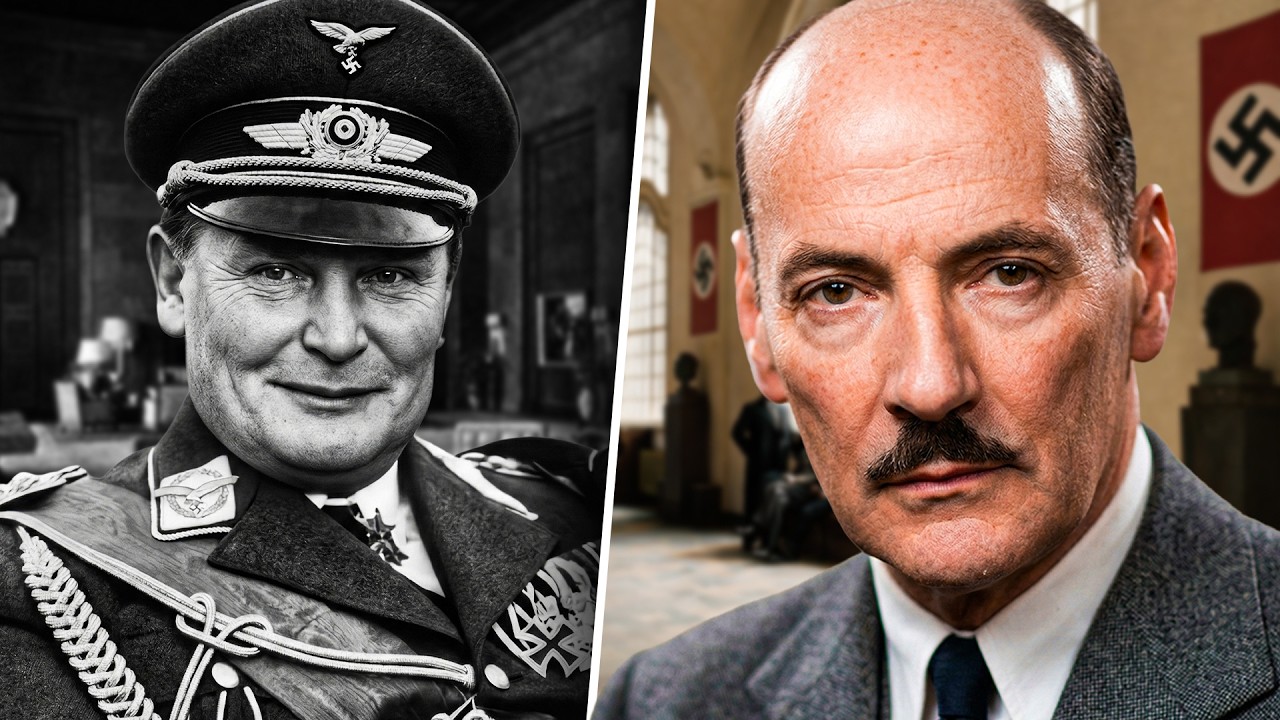
Albert Göring, brother of notorious Nazi leader Hermann Göring, emerges as an unlikely hero who risked everything to save countless lives during World War II. While Hermann rose to horrific power, Albert covertly defied the regime, smuggling prisoners to freedom and sabotaging Nazi operations, a truth dismissed for decades but now uncovered with resounding clarity.
Born into privilege yet shaped by stark contrasts, Albert’s quiet resistance stands in stark opposition to his brother’s brutal legacy. Raised amidst wealth and power, Albert rejected Nazism from the start, distancing himself with Austrian citizenship in 1935. Unlike Hermann’s thirst for glory, Albert’s life was marked by empathy, intellect, and a determination to dismantle the horrors inflicted by his own family name.
As Nazi troops marched into Austria in 1938, Albert witnessed cruelty firsthand. Surrounded by terror and public humiliation of Jews, he refused to remain silent. Risking arrest by openly assisting victims, his notorious surname ironically became a shield, forcing Nazis to hesitate and inadvertently granting him unique opportunities to act boldly against the regime.
Albert’s exploits were extraordinary: forging letters in Hermann’s name, securing release for political prisoners, and smuggling Jews and resistance members from imminent death. His role as export director at the Škoda Works in occupied Czechoslovakia positioned him at the heart of Nazi industry, where he facilitated sabotage and intelligence leaks vital to Allied efforts, all while under Gestapo surveillance.
Despite mounting danger and a death warrant from SS authorities, Albert persisted. His defiance was not only courageous but strategic, exploiting Nazi bureaucracy’s blind spots and the fear associated with the Göring name. He transformed the regime’s tools of oppression into instruments of salvation, a legacy hidden beneath decades of suspicion and misunderstanding.
When captured by Allied forces in 1945, Albert’s claims to heroism were initially dismissed as clever fabrications. Imprisoned alongside his infamous brother, he produced painstaking documentation detailing dozens of lives saved at great personal risk. It took chance and corroboration from survivors to finally vindicate him in a 1947 trial, clearing him of collaboration accusations and exposing his resistance.
Tragically, postwar Germany shunned Albert. His family name, synonymous with Nazi atrocities, made him a social pariah, unable to find work or recognition. He lived modestly, dying in relative obscurity in 1966, his grave unmarked. Efforts to honor him at Yad Vashem were rejected, emblematic of the lingering stigma tied to his name despite undeniable courage.
Albert Göring’s story challenges simplistic narratives of guilt by association, revealing a man who, from within one of history’s darkest dynasties, wielded quiet heroism to save lives and undermine tyranny. His legacy now demands urgent reassessment, a testament to the complexities of courage and conscience behind the shadows of war.