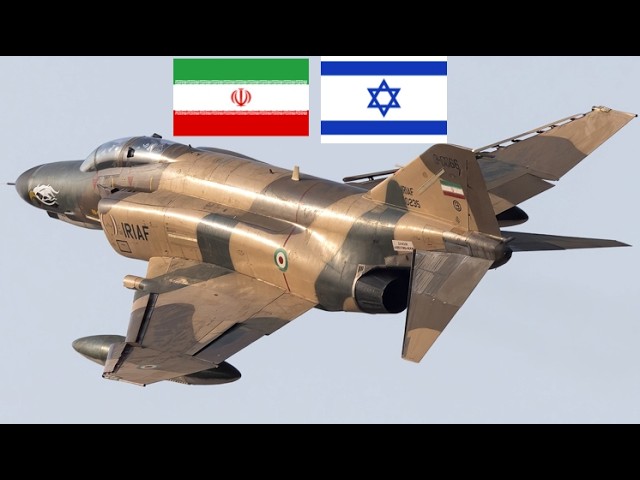
In an astonishing revelation shedding light on Cold War-era clandestine operations, Iran and Israel once united in a secret joint bombing mission targeting Saddam Hussein’s nascent nuclear reactor, Osirak, near Baghdad. This startling cooperation aimed to derail Iraq’s nuclear ambitions amid escalating regional hostilities, radically redefining historical narratives.
Decades ago, Iran and Israel, nations now famously hostile, were clandestine allies working to prevent Saddam Hussein’s Iraq from acquiring nuclear weapons. Facing a mutual threat, these historically opposed powers coordinated meticulously, targeting Iraq’s Osirak reactor to halt its uranium enrichment program. This covert collaboration shakes long-held assumptions about Middle Eastern alliances.
The story begins in the late 1970s when Iraq inked a deal with France to build the Osirak reactor, intended for peaceful research but feared by many as a nuclear weapons foothold. Israel’s Mossad immediately launched sabotage and assassination efforts, targeting key personnel and disrupting shipments, signaling early aggressive resistance to the Iraqi project.
After the 1979 Iranian Islamic Revolution, tensions escalated dramatically between Iran and Iraq, culminating in war. Despite ideological divides, Iran found common cause with Israel in halting Saddam’s nuclear progress. Israel secretly provided Iran with critical U.S. aircraft parts, enabling Iranian jets to participate in bold bombing raids against the reactor complex, demonstrating a unique strategic convergence.
On September 30, 1980, dubbed Operation Scorch Sword, the Iranian Air Force executed a daring low-level attack on Osirak. Using F-4 Phantom jets, supported by defiant pilots and scarce refueling resources, they inflicted significant damage to the reactor and associated power stations. The strike disrupted Iraq’s nuclear ambitions but fell short of complete destruction.
Unwilling to leave the threat unchecked, Israel planned a follow-up direct strike. In a secret meeting in France, Israeli and Iranian officials agreed on unprecedented cooperation, including safe landing agreements for Israeli aircraft in Iran. The stakes escalated as Israel prepared for a hazardous, covert mission, flying hundreds of miles through hostile airspace to deliver a decisive blow.
On June 7, 1981, Israel launched Operation Opera. Eight F-16A fighters, escorted by F-15s, penetrated Jordanian and Saudi airspace under fabricated patrol claims. Flying towards Osirak, the Israeli pilots executed a precision bombing strike, scoring multiple hits on the reactor’s containment dome. Iraqi defenses fired back, but the mission concluded without losses for Israel, marking a historic covert 𝒶𝓈𝓈𝒶𝓊𝓁𝓉.
The Israeli attack inflicted serious damage on Osirak, effectively delaying Iraq’s nuclear program. The strike killed ten Iraqi soldiers and a French engineer working at the site, inflaming international outrage and condemnation at the United Nations. Nevertheless, Israel prioritized regional security concerns over diplomatic fallout, demonstrating a willingness for preemptive military action.
Following the bombing, efforts to rebuild the reactor stalled amid ongoing Iran-Iraq conflict and damaged international relations. Ultimately, the Iraqi nuclear project was permanently terminated after U.S. coalition bombings during the 1991 Gulf War destroyed remaining facilities. The joint Iran-Israel actions represent a pivotal yet nearly forgotten chapter in Middle Eastern geopolitical history.
This revelation of Iran and Israel’s cooperation compels a reevaluation of the complex, shifting alliances that shaped nuclear non-proliferation efforts decades ago. Amid today’s conflicts, understanding this shared mission reveals unexpected truths about pragmatism and survival in volatile regional landscapes where enemies can briefly unite against greater threats.
The Osirak strike underscores how intelligence, military precision, and covert diplomacy intersected to prevent nuclear proliferation in one of the world’s most combustible regions. It highlights a period when ideological divides were momentarily set aside, revealing a darker, intricate tapestry of espionage, political calculation, and military resolve overshadowed by decades of hostility.
As the world grapples with ongoing nuclear challenges, the clandestine Iran-Israel partnership during this critical era serves as a potent reminder of the lengths nations will go to neutralize existential threats. This extraordinary episode adds nuance to modern geopolitical discourse, compelling analysts to revisit historical narratives with renewed insight into coalition-building beneath overt enmity.
The legacy of the joint Iran-Israel bombing operation remains a testament to the unpredictable nature of international relations, where enemies sometimes forge temporary alliances to pursue mutual survival goals. Amid the annals of Cold War history, this operation ranks among the most provocative and revealing wartime collaborations, forever altering perceptions of regional diplomacy and conflict.