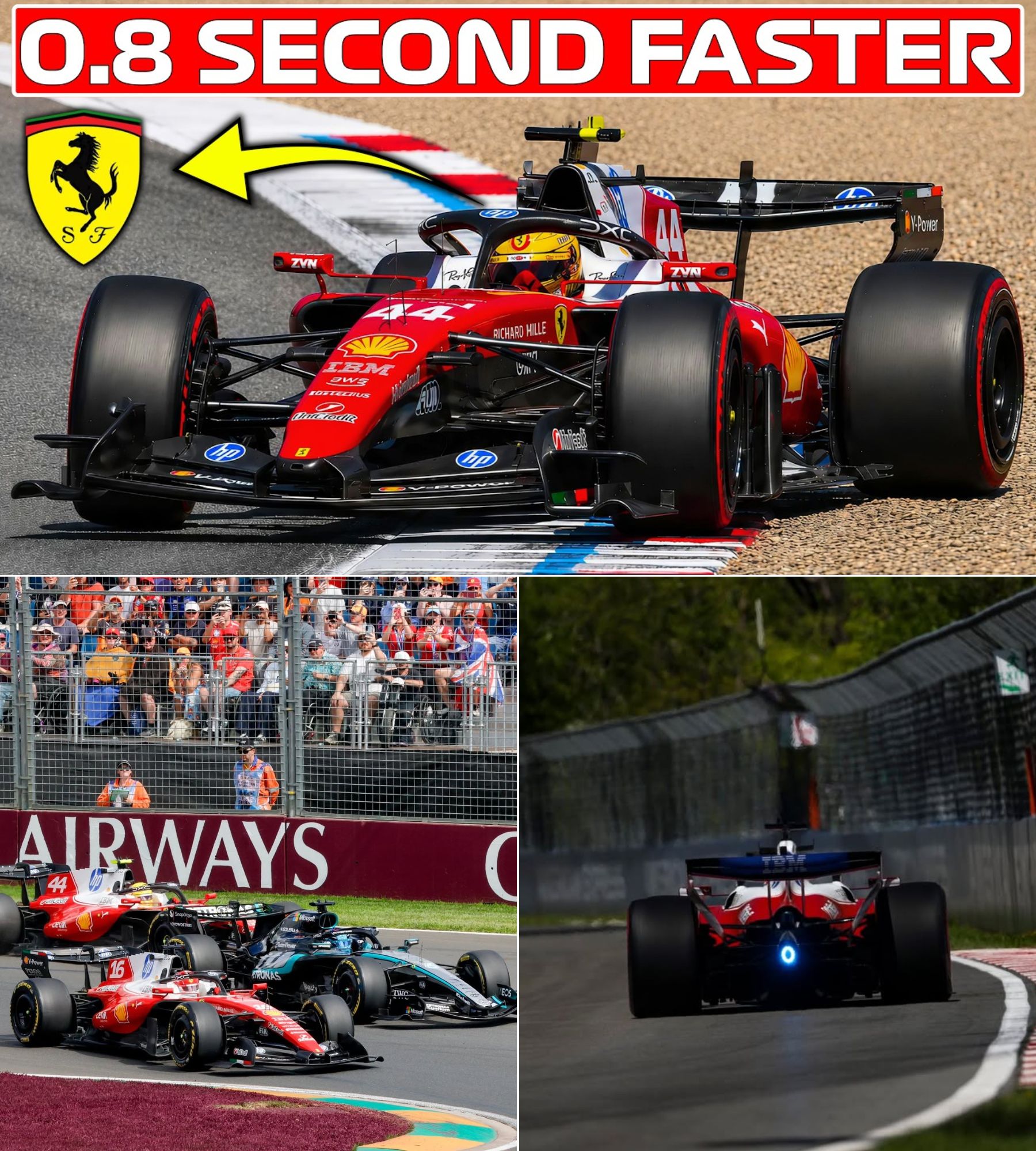
Ferrari has just made a stunning leap in performance, reportedly finding an astonishing 0.8 seconds in their SF26, a development that has sent shockwaves through the paddock and forced Mercedes to rethink their entire strategy for the 2026 season. What does this mean for the championship battle ahead?
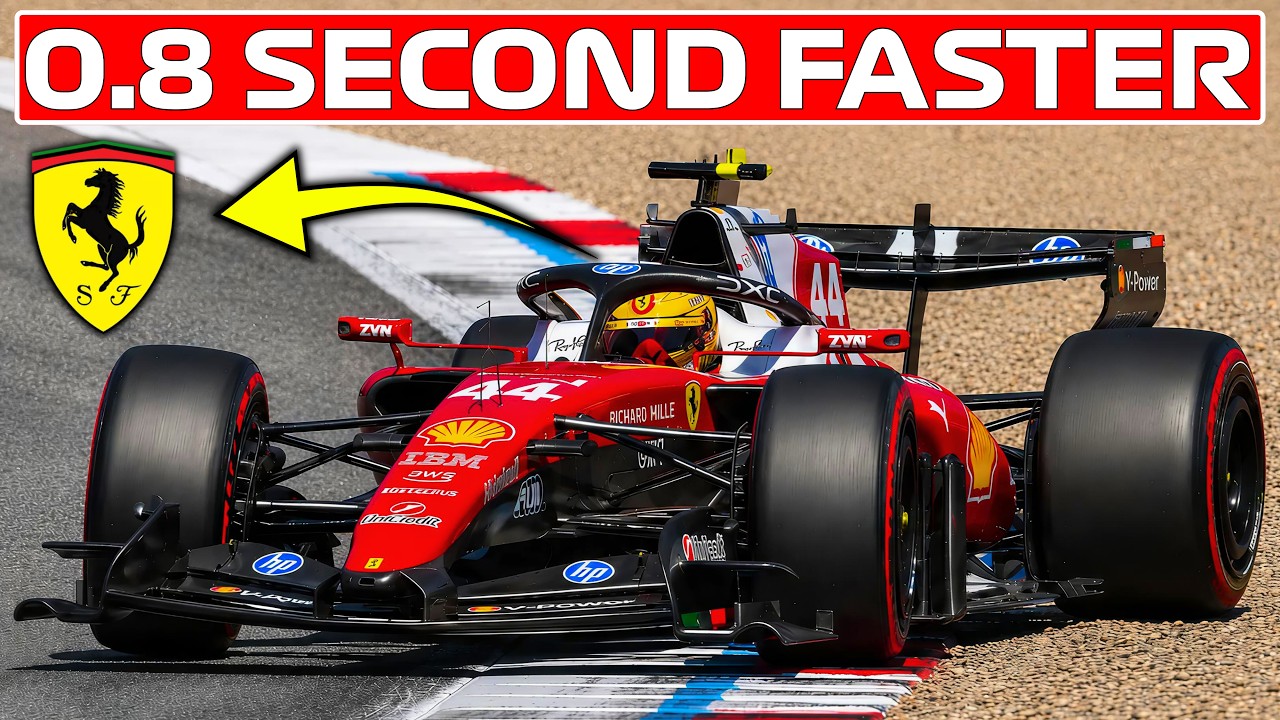
At the season’s outset, the SF26 was seen as a work in progress. While it showed promise, particularly in cornering speed, it lacked the raw pace needed to compete with the dominant Mercedes. Early in the season, Ferrari was left chasing shadows, trailing behind Mercedes and even struggling against McLaren in certain aspects. However, that narrative has dramatically shifted.
With two major aerodynamic upgrades rolled out in Miami and Barcelona, Ferrari has reportedly improved their lap times significantly. The Miami package alone introduced 11 new aerodynamic components, addressing the car’s early-season weaknesses and providing a performance boost that exceeded internal expectations. Following that, the Barcelona upgrades took the improvements even further, with sources estimating a remarkable six-tenths of a second gain in just one race weekend.

But it doesn’t stop there. Ferrari’s development has been multifaceted, incorporating an engine upgrade and advanced energy management strategies that have further enhanced their competitiveness. The ADU01 engine upgrade, which debuted in Austria, was initially described as modest, but it shone at Silverstone, where Ferrari finally outpaced Mercedes in straight-line speed for the first time this season.

As Ferrari continues to build on this momentum, they are preparing for a third major aerodynamic package aimed at the Zandvoort Grand Prix. This package is expected to be as substantial as the previous upgrades, and insiders suggest it will be crucial for their performance in the latter half of the season.

In a surprising twist, Mercedes has altered their development plans in response to Ferrari’s rapid advancements. Originally intending to halt development of the W17 after the summer break, they are now reportedly planning a second significant upgrade to keep pace with Ferrari’s newfound speed. This shift indicates a growing concern within the Mercedes camp about maintaining their championship lead.
The dynamics of the championship have shifted dramatically, with Ferrari’s 0.8 seconds not just closing the gap but potentially redefining the competition. As the teams head into the Belgian Grand Prix, the stakes have never been higher, and the question remains: how will Mercedes respond to this unexpected challenge from Ferrari?