Get out of here, girl. This isn’t a place for someone who faints at the sight of blood. Major Harris spat his wad of tobacco onto the dusty concrete, inches from Chloe’s worn-out safety boots. He didn’t even look up.
To him, she was invisible. Just another civilian mechanic hired out of pity at Forward Operating Base Chuka, somewhere in the Nevada desert. A woman in greasy coveralls hauling torque wrenches while the real men fought the war. Chloe said nothing.
She wiped her forehead with an oil-stained hand. A drop of hydraulic fluid had burned through her goggles and stung her lower lip. It tasted like copper and battery acid. She spat the bitterness out, eyes fixed on the damaged brake line of the beast in front of her.
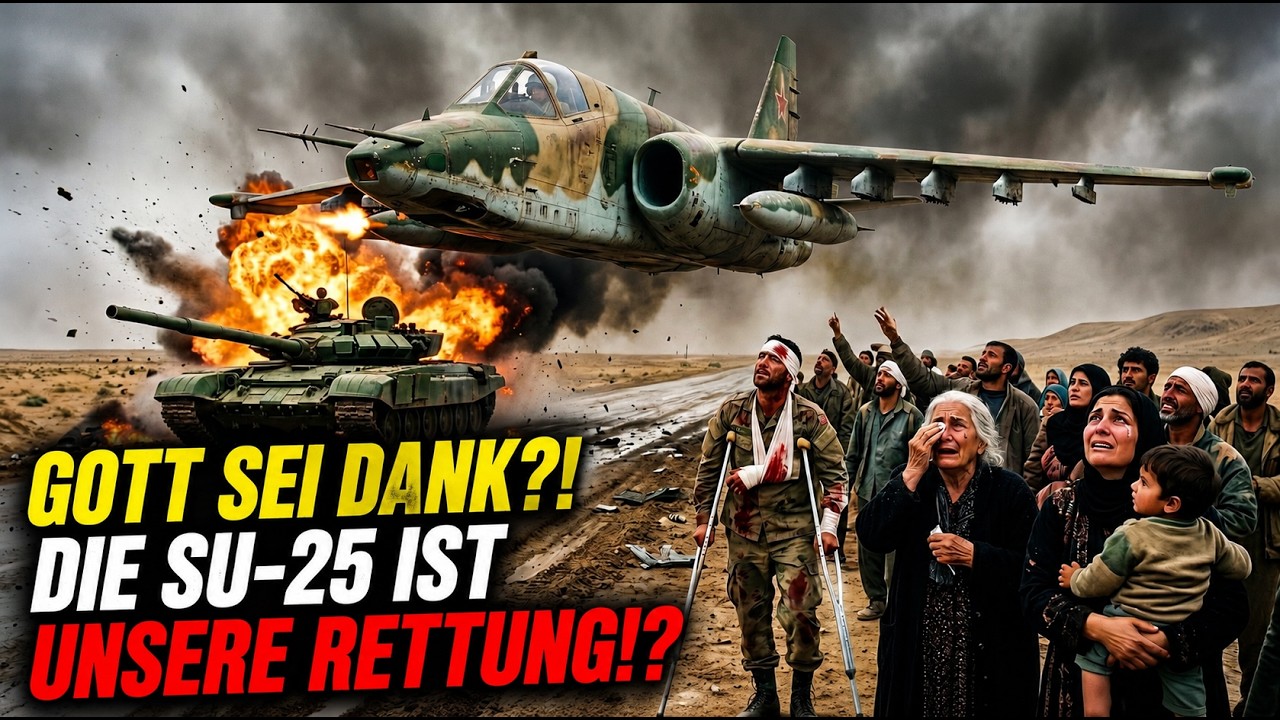
It wasn’t a sleek modern fighter. It was a Sukhoi SU-25 Frogfoot. The flying crocodile. An armored monster built like a flying tank, heavy, ugly, covered in titanium plates.
Scarred, smelling of burnt kerosene and engine grease. Chloe’s territory. “Wyatt,” Chloe muttered without looking up from the landing gear. “Hand me the torque wrench before my arm falls off.
” No answer. She tapped her steel toe against the boot of her young crew chief, crouched beside the main tire. Wyatt wasn’t moving. He was staring up.
The base loudspeaker crackled. The metallic click of the transmit button cut through the oppressive desert heat. The hangar was an oven, air so thick you could barely breathe. Chloe’s back ached—a dull, pulsing pain in her lumbar spine.
She was thirty-two, but her skeleton felt fifty. No one in this hangar knew why. No one knew what years of tight dive profiles did to a spine when you flew them professionally. The microphone clicked again.
General David Mitchell’s voice boomed through the hangar. He always sounded like a politician on the campaign trail. Every word perfectly modulated, every pause calculated. But now his voice trembled.
Just a tiny, almost imperceptible shake that made the hairs on Chloe’s sweaty neck stand up. “All units. Effective immediately, I have concluded a ceasefire agreement with the advancing separatist armored divisions. All hostilities are to cease at once.
Lay down your arms. Prepare for immediate evacuation via the western corridor. The southern pass is no longer our operational concern. I repeat, stand down, do not engage.
God help us. Mitchell. Out. ”
Silence.
Not a peaceful silence. The terrible vacuum before a detonation, before the shockwave tears your lungs. The southern pass is no longer our operational concern. Chloe’s stomach cramped.
A wave of nausea rose in her throat. She closed her eyes and swallowed the bitter taste. The southern pass wasn’t a military target. It was a refugee corridor.
Three days ago, the medical unit had set up field hospitals there. Overcrowded with injured civilians, women and children from the surrounding valleys. A muddy road packed with 6,500 unarmed people and thirty unarmed volunteer doctors. Mitchell had sold them out.
He’d given the enemy tank columns a free highway straight through the softest target in the whole region, just to guarantee his own staff a safe, undisturbed retreat through the back door. “They’re packing,” Wyatt whispered. His voice broke mid-word. He wiped his cheek with the back of his hand, leaving a black oil streak.
“The transports—they’re starting the C-130 engines on the main runway. ”
Chaos erupted in the hangar. Mechanics and armorers dropped their tools. A heavy wrench hit the concrete like a gunshot.
Men and women ran to their lockers, eyes wide with pure panic. Panic smells different from fear. Fear smells metallic, like ozone. Panic smells sour.
Old sweat, unwashed hair. The psychology of a beaten army. Chloe stood slowly. Her knees cracked.
She looked at her hands. They were shaking. Uncontrollable, violent tremors. Every fiber of her body screamed to flee, grab her bag, run to the runway, fight for a spot on one of the cargo planes.
Away from the dust, the heat, the dull rumble of enemy tracks grinding into the earth just miles away. She took a step toward the locker rooms. Her legs felt like lead. She stopped.
Looked back. The SU-25 stood alone in the middle of the hangar. Tail number 707. Chloe had spent the last few hours checking the hydraulic system while the armorers had hung heavy free-fall bombs under the wings and loaded the 30mm twin cannon.
The machine was a flying anvil, and it was full of fuel. Chloe looked at the locker room doors, where men shoved, screamed, threw seabags. Someone was crying loudly. She looked back at her trembling hands.
She clenched them into fists. The scraped skin on her knuckles burned sharp. The pain grounded her—cut through the noise in her head. “Wyatt,” Chloe said.
Her voice sounded foreign, flat, completely free of the panic she’d just been drowning in. Wyatt was already pulling off his coverall, chest heaving. “We have to go, Chloe. The General surrendered.
It’s over. ”
Chloe walked past him and grabbed the flight helmet lying on the folding table. Heavy, scratched, smelling of old foam. She put it on, turned, and looked the boy straight in the eye.
“Pull the chocks. Disconnect ground power. Now. ”
Wyatt froze mid-motion, one arm still stuck in his sleeve.
He stared at her like she’d spoken a dead language. “What? ”
“You heard me,” Chloe said quietly, pushing her visor down. “We’re starting the engine.
”
Wyatt stood paralyzed. The noise around him—the roar of fleeing soldiers, the clatter of dropped tools—seemed to bounce off him. “Are you insane, Chloe? ” he shouted over the rising chaos.
“That’s high treason. If you move this thing one meter, they’ll tear our heads off. ”
Chloe didn’t answer. She was already climbing the narrow steps built into the SU-25’s fuselage.
Each footstep rang metallic. Her movements were fluid, automatic, deep in muscle memory. This wasn’t the behavior of a panicked mechanic scrambling into a cockpit. She swung her leg over the edge of the tight titanium tub and dropped into the hard ejection seat.
The familiar smell hit her—rubber, electronic solder, old cold sweat. A familiar cockpit: merciless, purely utilitarian. No modern touchscreens. A sea of analog round dials and chunky toggle switches.
Wyatt paced frantically on the concrete below, hands shaking. “Wyatt! ” Chloe’s voice cut sharply through the radio in her helmet. She’d already plugged in.
“The chocks. If I light the engines and the chocks are still in, we burn the landing gear. Do it for the people at the pass. ”
Wyatt looked toward the hangar doors.
Outside on the hot asphalt, the giant silhouettes of C-130 transports shimmered in exhaust haze. The lifeline for everyone on base. He swallowed hard, cursed loudly, then bent down and yanked the heavy wooden chocks out from under the Frogfoot’s massive tires. With a jerk, he disconnected the external power cable.
“God protect you, Chloe,” he whispered, threw the chocks aside, and ran toward the evacuation planes. In the cockpit, Chloe didn’t waste a second. Her fingers flew over the right-side console. No manual needed, no protocol needed.
Battery toggle switch. Generators standby. Fuel pumps, active. A deep electrical hum woke in the beast’s belly.
The analog needles on the instrument panel trembled and came to life. She flipped the starter toggle for the left R-195 engine. Behind her, a hiss started. In seconds it grew into an ear-splitting, shrieking howl.
The hangar floor vibrated so hard that loose dust rained from the corrugated walls. The engine RPM needle climbed relentlessly. Left engine lit. She immediately flipped the next toggle.
The right engine spooled up. The twin roar became a thundering boom that shook the entire hangar. The intense, toxic smell of unburned kerosene poured through the vents. Chloe grabbed the heavy canopy lever and pulled it down.
The thick Plexiglass sealed with a solid mechanical click. The deafening outside noise vanished, replaced by the dull rhythm of her breathing in the oxygen mask. A voice exploded in her headphones, so loud she flinched. “Aircraft 707, shut down engines immediately.
I repeat, abort takeoff. ” The control tower at Chuka. The controller’s voice was no longer just stressed—it was close to tears. “You have no takeoff clearance.
You’re blocking the evacuation runway. ”
Chloe ignored the radio. She tested the rudder pedals. The control stick moved heavy, but the hydraulics held.
The brake line she’d just repaired showed stable pressure. “Captain Harper, stop playing games. ” A new voice—cold, cutting, absolute authority. Major Harris, Mitchell’s loyal dog.
He didn’t use her civilian name. He used her old rank. The rank she’d carried before her punishment posting. “The ceasefire stands.
If you put that machine in the air, it’s an act of war. You will be classified a traitor. Base air defense has orders to shoot you down before you leave the airfield. Shut down the systems.
Now. ”
Chloe stared at the radio. Her lips were dry. Adrenaline hammered against her temples like a sledgehammer.
She thought of the 6,500 people. The children in the mud of the southern pass, enemy tanks closing in. She reached out, grabbed the frequency selector, and twisted it hard to the left. Harris’s voice died.
Only the soothing hiss of an empty military tactical channel remained. “We’re not dying today,” she whispered to herself. Chloe released the parking brake. The SU-25 rolled forward.
Not elegant—heavy, like an iron colossus. Twenty tons of steel slid slowly out of the hangar’s shadow into the blinding, murderous light of the desert sun. The tarmac was a battlefield of logistics. Three giant C-130 transports sat with running propellers on the parallel runway, kicking up huge dust clouds.
Everywhere, abandoned Humvees and fuel trucks blocked the way, just left behind by soldiers who only wanted to get out. Chloe steered the flying crocodile with the rudder pedals, zigzagging through the chaos. She passed the main building. Behind the tinted windows of the tower, she could see officers wildly waving their arms, pointing at her, frantically making calls.
Suddenly, a Humvee of military police shot onto the taxiway from the left. Tires screeched as the vehicle skidded to a stop fifty meters ahead, blocking her path. Two MPs jumped out. One actually drew his service pistol and aimed at the cockpit.
A human against twenty tons of burning metal. Chloe felt an icy calm rise inside her. She didn’t ease off the throttle. Instead, she pushed both levers forward, slowly but firmly.
The R-195 engines responded with a heart-stopping scream. A massive wall of hot exhaust and shimmering heat blasted out behind the plane. The Frogfoot kept moving straight ahead, the nose—with the heavy 30mm cannon protruding like a threat—pointed directly at the Humvee. The police officers held their breath.
Two seconds. Three. Then self-preservation won. They dove back into the vehicle, slammed it into reverse, and shot away with smoking tires.
The path was clear. Chloe turned onto the main runway. It was far too short for a fully loaded SU-25 in this extreme heat. Thin desert air offered almost no lift.
Every physics law said this takeoff was a death sentence. She looked ahead. The end of the runway shimmered in the heat. Beyond it: only sand, rocks, and a deep ravine.
Chloe took a deep breath, closed her eyes for a fraction of a second, then pushed both throttles to maximum. The storm broke loose. The engines roared at full power. The Frogfoot vibrated so violently that Chloe’s teeth chattered.
She released the wheel brakes. The machine shot forward like a loose freight train. Fifty knots. Eighty.
The concrete below became a gray blur. Beside her, the faces of fleeing soldiers flashed past the windows of the transports. They stared at her. Stunned.
One hundred knots. The end of the runway raced toward her. The chain-link fence was so close she could see individual links. The nose of the machine felt like a boulder.
One hundred thirty knots. “Come on,” Chloe gritted through her teeth. She pulled the stick back with both hands. The hydraulic actuators whined.
For a terrible moment, nothing happened. The tires kept biting into the concrete. The fence was only meters away. With a brutal, groaning jerk, the nose lifted.
The main gear left the ground. The SU-25 cleared the fence with less than three meters of clearance. The shockwave of its takeoff flattened the barrier behind it and kicked up a giant dust cloud. Chloe slammed the landing gear lever up.
The wheels retracted with a dull thud. Drag dropped. She was airborne. Alone, flying at four hundred miles per hour straight into the throat of an enemy armored division that had been promised there would be no more resistance.
Sweat collected under the silicone edge of her oxygen mask, itching like mad. She couldn’t scratch. Both hands were locked on the stick and throttles. Her knuckles were white under her Nomex gloves.
She flew extremely low, barely sixty meters above the desert floor, following the dry, winding bed of an ancient river. Sandstone walls flashed past on both sides. It was her only chance. If she climbed, separatist search radars would pick her up instantly and launch a wave of SAMs.
The SU-25 Frogfoot didn’t fly like a modern interceptor. It flew like a loaded dump truck with clipped wings. Heavy, unforgiving. It demanded raw physical effort.
Thermal updrafts from sun-baked rocks hammered the airframe, slamming Chloe’s shoulders against the five-point harness. Each jolt sent a stabbing, razor-sharp pain through her spine. She glanced at the fuel gauge. Green analog needles on black dials.
Enough kerosene to reach the southern pass, fight for exactly nine minutes, then—with the last drops—head for a makeshift dirt strip near the border. If she survived those nine minutes. What the hell am I doing here? The thought wasn’t heroic.
It was a panicked loop, synchronized with the dull throb of the twin R-195s. Chloe wasn’t a martyr. She hated martyrs. In her eyes, most martyrs were just idiots who hadn’t ducked in time.
But every time her brain told her to pull up, climb to 100,000 feet, and turn east to safety, she saw the images of the last three days. The field hospital. The smell of chlorine, fresh blood, rotting bandages. She remembered four years ago, when she still wore the gold wings of a US Air Force captain.
She’d been one of the best ground-attack pilots in the squadron—until that day in the Pentagon briefing room when General Mitchell made a tactical error that cost an entire supply column their lives. Mitchell needed a scapegoat. He demanded Chloe sign a falsified report blaming technical failure. She refused.
She threw the report at his feet. The result: her flight license revoked, her rank stripped, dishonorable discharge, and a job as a civilian maintenance mechanic at the most insignificant base at the end of the world. They degraded her, humiliated her, treated her like trash. And Mitchell?
Mitchell kept rising. Until today. Today, he was sacrificing defenseless people again to save his own skin. “Not again,” Chloe pressed through clenched teeth.
She pushed a button on the throttle to activate ground-attack visor mode. Green targeting reticle materialized on the glass in front of her. With a loud mechanical click, she flipped the master arm switch. System live.
The avionics now linked directly to the heavy 30mm twin cannon lurking in the crocodile’s belly. The dry riverbed ended abruptly, spitting the machine out over the endless flat plain of the southern valley. Chloe banked hard left. G-force slammed her deep into the hard seat with brutal force.
Her anti-G suit inflated with a loud hiss, squeezing her legs and thighs like a monstrous blood pressure cuff to keep blood in her brain. Her vision tunneled. A gray, crawling shadow closed in on her eye edges. She forced air out of her lungs in short, rhythmic bursts to stay conscious.
When the machine leveled out, she saw it. To the south, a giant, mile-wide dust cloud rose like a brown wall hundreds of meters high, and beneath it, the sharp, unnatural geometric shapes of heavy equipment. T-72 main battle tanks and tracked infantry fighting vehicles. They rolled in a staggered column and they were moving fast.
To the north, less than four miles from the column’s tip, lay the refugee column. From up here it didn’t look like a column. It looked like a dirty, torn thread carelessly thrown onto the muddy road. Overloaded flatbed trucks, old civilian sedans, and thousands of tiny moving dots on foot.
6,500 people. They stood absolutely still. Trapped, blocked by a destroyed river bridge. The enemy tank column didn’t slow.
They were heading straight for them. Chloe’s stomach twisted painfully. This wasn’t a battle. This was a planned execution.
Mitchell had handed them the coordinates on a silver platter. Chloe pushed the flying crocodile’s nose down and increased throttle. The engines screamed. 450 knots.
“Come on, old girl,” she whispered into her mask as the reticle locked onto the first enemy tank. “Show them why they call us trench-sweepers. ”
She picked out the spearhead of the column. Three heavy tanks driving side by side, kicking up huge dust plumes.
She pushed the nose deeper into the dive. The crosshairs danced over the green steel of the tank plating. Her thumb hovered over the unguided rockets button. Not yet.
She didn’t need surgical precision. She needed raw psychological terror. She pulled the trigger on the stick to the first pressure point. The rotating barrels of the 30mm twin cannon GSh-30-2 spun up with a high-energy hum.
She pulled all the way through. The universe seemed to split in two. The sound wasn’t a rattle. It was a deep, vibrating roar that bypassed the eardrums and landed directly as physical pressure on Chloe’s chest.
The cannon spat eighty high-explosive rounds per second. The recoil was so immense that it audibly slowed the twenty-ton aircraft and threw Chloe forward against her straps. A thick gray cloud of high-explosive propellant smoke instantly enveloped the nose. The acrid stench of cordite and sulfur burned through the cockpit vents into her airways.
“Pull up, pull up, pull up! ” her brain screamed. She’d held the trigger too long. The ground rushed toward her at lethal speed.
Chloe grabbed the stick with both hands and wrenched it back with all her strength. Her biceps cramped. The heavy nose of the crocodile lifted sluggishly, almost reluctantly. She swept over the first tank at less than fifteen meters.
A glance over her left shoulder showed the inferno. No Hollywood explosion. The 30mm shells had chewed like a chainsaw through the thin top armor of the lead vehicles. Glowing steel fragments and exploding munition ripped the colossi apart from inside.
The first tank stopped abruptly, a pitch-black oily smoke column shooting from its rear. The second broke uncontrollably to the right, both tracks completely torn off, rolling into the ditch and landing like a dead insect on its roof. “Oh my God,” Chloe gasped, chest heaving. “Oh my God, it’s working.
”
But the surprise was gone. And the column wasn’t only tanks. As she pulled the crocodile into a steep climb for a second pass, the desert below lit up like a Christmas tree. Tracer rounds from above don’t look like lasers.
They look like angry glowing golf balls climbing lazily—until they suddenly accelerate and zip past the canopy at three times the speed of sound. The sky around her filled with yellow and red patterns from 23mm anti-aircraft guns. The separatists had mobile radar-guided ZU-23 Shilkas. Flesh-eating monsters for any low-flyer.
Warning! Warning! Missile launch. Warning!
The mechanical, emotionless voice hammered in her headphones. “Shut up,” Chloe screamed. She shoved the throttles forward and repeatedly punched the countermeasures button. Blindingly bright magnesium flares shot from the tail, trailing white smoke.
She wrenched the stick left, throwing the machine into a brutal, gut-wrenching evasive maneuver. G-force spiked over 7 G. Her neck muscles cracked audibly. The world tilted, blurred into gray.
A surface-to-air missile streaked past her right wing and detonated less than fifty meters away in a dirty brown cloud. The shockwave hit the SU-25 like a sledgehammer. The machine nearly rolled onto its back. Chloe fought the controls.
The stick suddenly felt like it was stuck in wet cement. She stomped the right rudder pedal to full deflection to get the jet level again. She was hyperventilating. Black spots danced in front of her eyes.
They’re going to kill me. I’m going to die in this flying titanium tub over a mud flat. She looked down. The tank column was faltering.
Vehicles panicked, scattered, looked for cover where there was none. They were no longer rolling toward the refugees. Every barrel, every camera pointed up. At her.
“Good,” Chloe hissed. Blood from her bitten-through lower lip sprayed inside her mask. “Look at me. Only at me.
”
She pushed the nose down again. No time for a clean attack run. Her hands shook violently. She aimed at a cluster of infantry fighting vehicles forming up behind a hill.
She pulled the trigger. The cannon roared, vibrating the canopy. The shells chewed through the desert sand, hit the vehicles, and turned thin aluminum into burning shrapnel. But right then, a murderous metallic bang came from the rear.
The SU-25 sagged brutally to the right. The dull drone of the right R-195 instantly turned into a scraping, screeching noise, followed by a muffled explosion. Fire right engine. Fire right engine.
The warning panel lit up blood red. A reddish glow filled the right side of the cockpit. Chloe looked out. The entire right engine nacelle was on fire.
A long tail of burning kerosene trailed behind her. At the same time, the hydraulic pressure gauge dropped to zero. The stick went completely dead. The connection to the rudders was gone.
“Manual backup flight controls! ” Chloe shouted. With one hand she yanked the red lever on the console to disconnect hydraulics entirely and switch to the pure cable system. The physical force now required to move the controls was enormous.
Like steering a loaded tractor-trailer through a mud pit without power steering. She clenched her teeth so hard her jaw cracked, screamed in pain and effort as she threw her entire body weight against the stick. She lost altitude fast. 100 meters.
80 meters. The cockpit began filling with acrid bluish smoke. Smell of melted plastic and burning wires. It burned her eyes.
Tears blurred her vision, making the visor unreadable. “I have to get out. I have to pull the ejection seat handle. ” Her hand trembled, moved down to the black-and-yellow striped handle between her knees.
One firm pull, and the explosive bolts would blast her into the sky. She looked left. Through the smoke and scratched Plexiglass, she saw the pass. People were running now.
Crossing the river on foot, climbing the slopes, making distance. The enemy tank column was far behind them, blocked, burning, completely disorganized. She had bought them time. The survival of 6,500 people hung on this one burning airplane.
Chloe let go of the ejection handle. She grabbed the stick again with both hands. “Hold on,” she screamed at the smoking instruments. “Hold on, you damned crocodile!
”
The desert rushed up. 50 meters. 30 meters. The SU-25’s airframe screamed in structural overload.
The right wing sagged further. Titanium plates deformed under the extreme heat of the burning engine. Chloe had no control over pitch anymore. If she ejected now, the trajectory would fire her at an angle straight into the hard ground.
Certain death. “Stay flat. Just stay flat,” she hissed, blood from her lip gumming up the microphone of her oxygen mask. She reached out and yanked both throttles all the way back.
Idle. Don’t lower the gear. The wheels would dig into the soft sand and flip the plane instantly at this speed. It had to be a belly landing.
10 meters. The heavy titanium belly of the flying crocodile touched the earth first. The impact was catastrophic. An ear-splitting screech of tearing metal and ripping steel filled the cockpit as the jet slammed into the rocky desert floor at over 200 miles per hour.
Chloe was thrown forward with such force that the harness nearly broke her collarbones. The air was punched from her lungs. The machine bounced, hit again, plowed through giant sagebrush, hurling debris in all directions. The left wing tore off completely, sending the fuselage into an uncontrollable wild spin.
Dirt, rocks, and sand hammered the canopy like hail. The sound of an iron giant being beaten to death by the earth. Then, abruptly, silence. The motion stopped.
The silence was absolute, broken only by the distant hiss of escaping vapors and the soft crackle of small fires in the surrounding scrub. Chloe hung motionless in her harness. The wreck sat at an extreme angle on its side. Her helmet was pressed hard against the remaining Plexiglass.
Every inch of her body burned with pain. A sharp, pulsing ache radiated from her left shoulder. Her left ear heard nothing but a high-pitched ring. She moved her fingers.
They worked. Slowly, she raised a trembling, bloodstained glove, felt for the canopy emergency release, and pulled with the last of her strength. The canopy explosive bolts didn’t fire—system dead—but the glass was deeply cracked from the impact. Chloe braced her boots against the instrument panel and pushed with her good right shoulder against the Plexiglass until it gave way with a loud snap.
The hot, dry desert air hit her, thick with the familiar biting smell of burnt kerosene and scorched earth. Chloe fumbled with her harness buckle, opened it, and fell out of the cockpit into the hot desert sand. She rolled onto her back. Stared into the painfully blue Nevada sky.
She ripped the oxygen mask off and sucked the air in deep, gurgling breaths. When she turned her head, she saw to the north the thick black smoke columns on the horizon where the spearhead of the enemy armored division burned. And further back, almost invisible in the shimmering heat haze, the refugee column moved. They had crossed the river.
They were safe. Chloe spat a thick clot of blood into the sand, closed her eyes, and waited. Twenty minutes later, the rhythmic beat of rotor blades tore the silence. A heavy Black Hawk helicopter descended in a hover near the wreck, kicking up a massive dust cloud.
Before the wheels touched the ground, armed military police jumped from the side doors. At the head of the group was General David Mitchell. His uniform was perfectly pressed, not a speck of dust on the shiny stars on his shoulder tabs. His eyes were full of suppressed rage.
Beside him walked Major Harris, already holding an open file and a pair of handcuffs. Mitchell stopped a few feet from Chloe, who still lay in the dirt, her head resting against a flat rock. He looked down at her like she was a piece of annoying trash that had smeared his perfect retreat plan. “Captain Chloe Harper,” Mitchell said.
His voice dripped with icy contempt. “You directly disobeyed a military order. You provoked an illegal act of war and endangered US personnel. By this, I strip you of any remaining status.
You are under arrest for high treason in the face of the enemy. You will spend the rest of your miserable life in a windowless cell. ”
Harris stepped forward. The handcuffs clinked metallically.
“Stand up, Harper. Don’t make a scene. ”
Chloe didn’t move. She didn’t even look at Mitchell.
Her gaze drifted past the two men, straight to the four heavily armed military police soldiers standing behind the general. They were young men. Men with dusty faces, tired eyes, and infantry patches on their sleeves. The same soldiers who, earlier, had panicked and thrown their seabags into the C-130s.
But now they weren’t staring at Mitchell. They were staring at the burning tank wrecks on the horizon. Then they looked at the smoking, shattered wreck of the SU-25. They recognized the tail number.
They saw the coveralls Chloe wore under the flight jacket. They understood everything. The sergeant of the MP squad, a hulking man with a deep scar on his chin, stepped forward. He looked past Major Harris, straight at Chloe.
“Sergeant,” Harris snapped without turning around. “Secure the prisoner. ”
The sergeant didn’t move. He ignored Harris completely.
Instead, he slowly, with an almost ceremonial precision, raised his right hand to his forehead. He saluted. The three soldiers behind him didn’t hesitate a second. Their boots snapped together in the desert sand, and they too raised their hands in salute.
It wasn’t a protocol salute. It was the salute of soldiers to a legend. To the woman who had done what their entire leadership hadn’t dared to do. Mitchell’s face lost all color.
His calculated, arrogant mask crumbled, and beneath it appeared an old, pathetic man. He turned, bewildered, to the soldiers. “What—what are you doing? ” Mitchell shouted.
His voice cracked in an embarrassing, almost hysterical tone. “That’s insubordination. I am your commanding general. Arrest this woman.
”
No one moved. The soldiers stood like carved from stone, eyes fixed on Chloe. The wind carried the distant cheering of the 6,500 people from the pass. Chloe pulled herself up slowly against the rock until she was sitting.
Every movement hurt, but she didn’t flinch. She looked Mitchell straight in the eye. For the first time in four years. “Your war is over, Mitchell,” she said quietly.
Her voice had no tremor. It was as solid as the bare rock beneath them. And so was her career.
She spat the last of the copper taste out, looked past the trembling general into the wide desert, and knew the dust had finally settled.