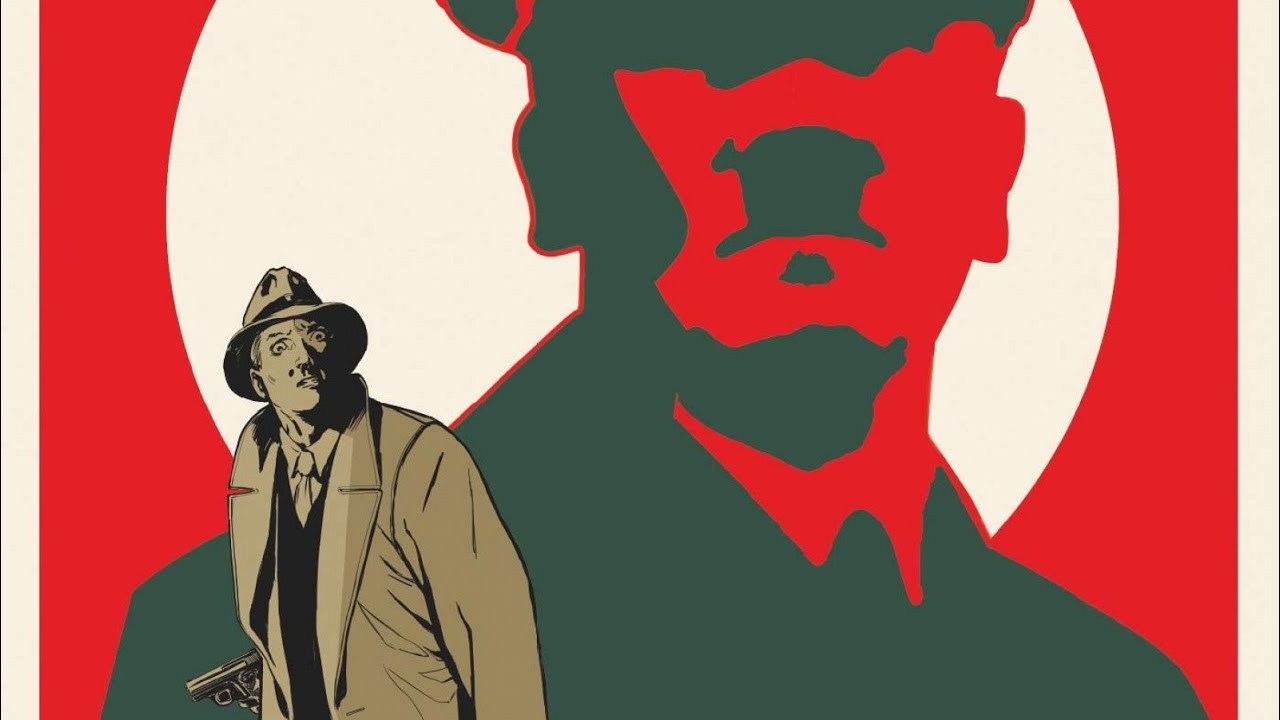
In a chilling revelation from the depths of Nazi Germany’s shadowed past, Maurice Bavaud, a determined Swiss student, nearly assassinated Adolf Hitler at his remote Bavarian mountain retreat, the Berghof. Exploiting lax security and personal access, Bavaud’s failed attempt exposes critical vulnerabilities in Hitler’s protection before his execution in 1941.
Nestled high in the Bavarian Alps, the Berghof was Hitler’s cherished private sanctuary, where security was surprisingly lenient compared to his Berlin and East Prussia headquarters. This isolated compound, surrounded by trusted Nazi officials’ estates, was an idyllic yet underestimated target for assassins like Bavaud.
During the 1930s, Hitler’s preference for minimal visible guard detail at the Berghof paradoxically increased his assassination risk. His dislike of overt protection led to security gaps exploited by Bavaud, who brazenly practiced shooting within hours of Hitler’s domain without raising alarms from SS or civilian guards.
Maurice Bavaud, a 22-year-old Swiss nationalist and anti-communist, first attempted to locate Hitler in Berlin but found him at the Berghof instead. Armed with a pistol and fueled by a belief that killing Hitler would help defeat communism and restore a Russian monarchy, Bavaud stealthily scouted Hitler’s routines amid the unsuspecting local population.
Despite numerous security personnel, including SS battalions and Hitler’s own heavily armed Reichssicherheitsdienst (RSD) detail, Bavaud moved freely for two days, even sparking a conversation with a police officer without suspicion. This astonishing breach underscored serious underestimations in Hitler’s personal security measures.
Bavaud’s plan centered on the 1938 Munich Bhul Purchase Parade, where Hitler appeared among throngs of Nazi supporters. With the streets packed and security dispersed, Bavaud saw a fleeting chance to strike, purchasing a ticket under false pretenses to gain a vantage point near the parade route.
At the critical moment, Bavaud hesitated. Positioned about 15 meters from Hitler but uncertain of his aim and overwhelmed by the surrounding guards, he ultimately withheld fire as Hitler passed by, a decision that doomed his mission but spared the Führer’s life that day.
Following this failure, Bavaud attempted to forge a letter of introduction from the French Foreign Minister, planning to gain closer access at the Berghof. His ruse was quickly uncovered by SS guards who barred his reentry, forcing him back to Munich and then a failed attempt to escape to Paris for funds.
Captured by German authorities and uncovered with his pistol and forged documents, Bavaud was brutally interrogated and tortured by the Gestapo. His detailed confession of the assassination attempt and motives did not spare him; Switzerland disowned him, refusing diplomatic support during his grim trial.
On May 14, 1941, Maurice Bavaud was executed by guillotine in Berlin, silencing a bold but unsuccessful challenger to Hitler’s reign. Posthumously, his near-assassination became a stark lesson in the critical weaknesses of Nazi security protocols, particularly at Hitler’s supposedly secure mountain refuge.
In the aftermath, Hitler’s inner circle, notably Martin Bormann, responded by dramatically fortifying the Berghof’s perimeter, aggressively acquiring surrounding properties to create an extensive no-go security zone. This strategy drastically reduced access, preventing further unsanctioned approaches from potential assassins or curious onlookers.
Yet, Bavaud’s attempt was far from an isolated event. British intelligence later conceived Operation Foxley, a sophisticated plot aiming to eliminate Hitler at the Berghof, illustrating enduring efforts by Allied forces and dissidents alike to penetrate Hitler’s defenses at this vulnerable mountain retreat.
This uncovered history highlights the precarious nature of Hitler’s security, shaped by his personal desires for privacy that dangerously compromised his protection. Maurice Bavaud’s story remains a dramatic testament to the high-stakes struggle simmering within the shadows of Nazi power.
As the world grapples with legacies of World War II, Bavaud’s tragic and courageous tale surfaces from obscurity, offering new insight into the human resistance against tyranny, and the personal risks taken by those who dared confront one of history’s most notorious dictators.
The revelations emphasize how even the most heavily guarded regimes are vulnerable when confidence blinds their leaders. Bavaud’s failed but fearless act punctuates the fragility of totalitarian control and the enduring bravery of individual dissent.
This breaking report invites renewed examination of Nazi era security, assassination intrigues, and the complex web of political motivations that fueled resistance movements beneath the surface of a monstrous dictatorship’s secure facade. Maurice Bavaud’s legacy reverberates as a warning and inspiration.
The chilling saga underscores that the façade of invulnerability in oppressive regimes can crumble through courage and audacity, even when heavily armed forces stand guard. Future historical inquiries will undoubtedly continue to unpack these dramatic, near-misses in Hitler’s reign.
Experts affirm that understanding such events is vital to appreciating both the human costs of tyranny and the relentless efforts of those who risked everything to challenge it. Bavaud’s story, both heroic and tragic, embodies this timeless conflict.
Further investigations may uncover additional untold plots and resistance efforts that, while unsuccessful, reveal cracks in the Nazi fortress and the complex global struggle against fascism during its darkest hours.
As new archival materials emerge, the saga of Maurice Bavaud could reshape popular narratives about internal German resistance and the lengths to which ordinary individuals went to try to alter the course of history.
This historic episode illustrates the enduring power of individual conviction against overwhelming odds and the critical importance of vigilance in protecting leaders whose decisions steer the fate of millions.
Maurice Bavaud’s near-assassination of Adolf Hitler remains a stark reminder that in moments of crisis, courage persists – often at great personal cost – and the fight against oppression takes many unexpected forms.
The detailed account, uncovered from recently released documents and expert analyses, signals a potent mix of daring, desperation, and political intrigue centered on the remote Berghof retreat, forever etched in the chronicles of World War II resistance.
The story’s urgency lies in its lessons for present and future generations: vigilance and courage can imperil even the most seemingly untouchable tyrants, while complacency invites danger and betrayal from within.
Authorities and historians alike are revisiting security failings exemplified by Bavaud’s attempt, drawing parallels to contemporary concerns over protective measures for global leaders amidst evolving threats.
Maurice Bavaud’s legacy compels us to remember that even in the darkest epochs, individual acts of defiance resonate loudly, shaping history’s course in ways conspicuous power cannot always predict or suppress.
The near-miss at the Berghof remains one of the most dramatic assassination attempts in history, a focal point for understanding the fragile nature of dictatorial power and the relentless pursuit of justice by those it imperils.
As this story circulates widely, it reinforces the critical need for constant scrutiny of leadership security and the vital role of opposition voices in safeguarding democratic values against the shadow of authoritarianism.
Today’s report serves as a potent reminder: history is shaped not only by those in power but by the determined few willing to challenge it, often at the ultimate price—as Maurice Bavaud’s fate poignantly illustrates.