Everyone remembers Gone with the Wind as one of the greatest films ever made.
What most people don’t realize is that many in Hollywood believed it would never be finished.
Long before cameras started rolling, the production was already falling apart. Producer David O. Selznick paid a record-breaking price for Margaret Mitchell’s bestselling novel, only to discover that turning the massive story into a movie was almost impossible. The script went through endless rewrites, more than a dozen writers were brought in, and scenes changed so often that actors sometimes arrived on set without knowing what they would be filming that day. Selznick’s relentless pursuit of perfection pushed everyone to their limits, turning the production into one of the most stressful Hollywood had ever seen.
Then came the biggest challenge of all—finding Scarlett O’Hara.
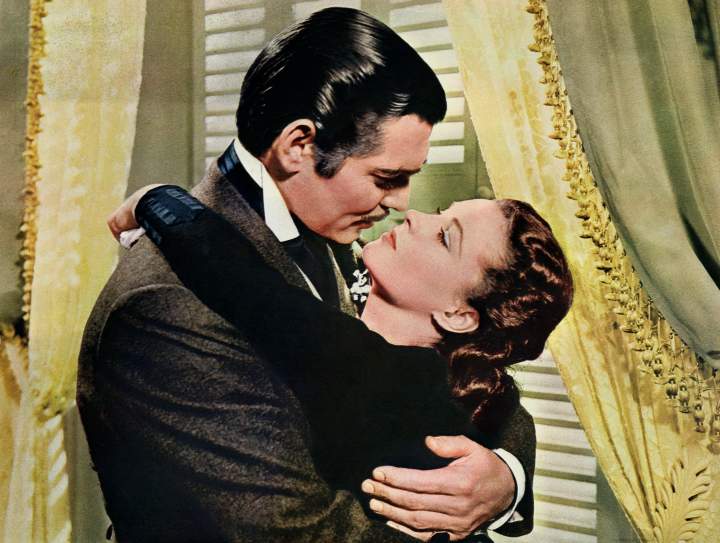
The search became a nationwide obsession. America’s biggest stars desperately wanted the role, but none seemed quite right. Filming had already begun before Scarlett was officially cast, forcing the studio to gamble millions of dollars. Everything changed when Vivien Leigh arrived during the famous Burning of Atlanta sequence. Selznick immediately believed he had found his Scarlett, but her refined British accent nearly cost her the role. After weeks of coaching and criticism, she transformed herself into the Southern heroine audiences would never forget.
 The chaos didn’t stop there.
Only weeks into production, director George Cukor was suddenly fired after months of preparation. Victor Fleming took over, bringing an entirely different style that immediately created tension with the cast. Vivien Leigh secretly continued seeking advice from Cukor while Clark Gable struggled with emotional scenes he feared would damage his tough-guy image. Leslie Howard openly admitted he disliked both his character and the story itself, accepting the role only because of another business opportunity.
As production dragged on, controversy spread beyond the film set.
Civil rights organizations criticized the movie for its portrayal of slavery and the Old South, forcing Selznick to remove some of the novel’s most controversial material. Even so, debate followed the film for decades. At the same time, Hattie McDaniel made history by becoming the first Black performer to win an Academy Award, yet segregation laws prevented her from attending the Atlanta premiere alongside many of her co-stars, revealing the painful contradictions surrounding the film’s success.
Even the movie’s most famous line almost disappeared.
Censors demanded that Rhett Butler’s unforgettable farewell be changed because the word “damn” violated Hollywood’s production code. Selznick refused to give in, insisting the ending would lose its emotional impact without it. After months of fighting, the line remained exactly as audiences know it today, although the studio was fined for keeping it.
Against every expectation, Gone with the Wind premiered to overwhelming success. It shattered box-office records, won multiple Academy Awards, launched Vivien Leigh into international stardom, and became one of the most influential films ever made. Yet behind every unforgettable scene was months of exhaustion, conflict, impossible deadlines, creative battles, and personal sacrifice that nearly destroyed everyone involved.
More than eight decades later, the movie remains both celebrated and controversial. Some still regard it as one of cinema’s greatest achievements, while others continue to question its portrayal of history. Perhaps that is exactly why it refuses to be forgotten. Few films have inspired so much admiration, criticism, and debate all at the same time.