When Yellowstone premiered in 2018, few expected the modern Western drama to become one of television’s biggest cultural phenomena. The series transformed Paramount Network, revived mainstream interest in ranching dramas, and turned the Dutton family into one of the most recognizable fictional dynasties on television.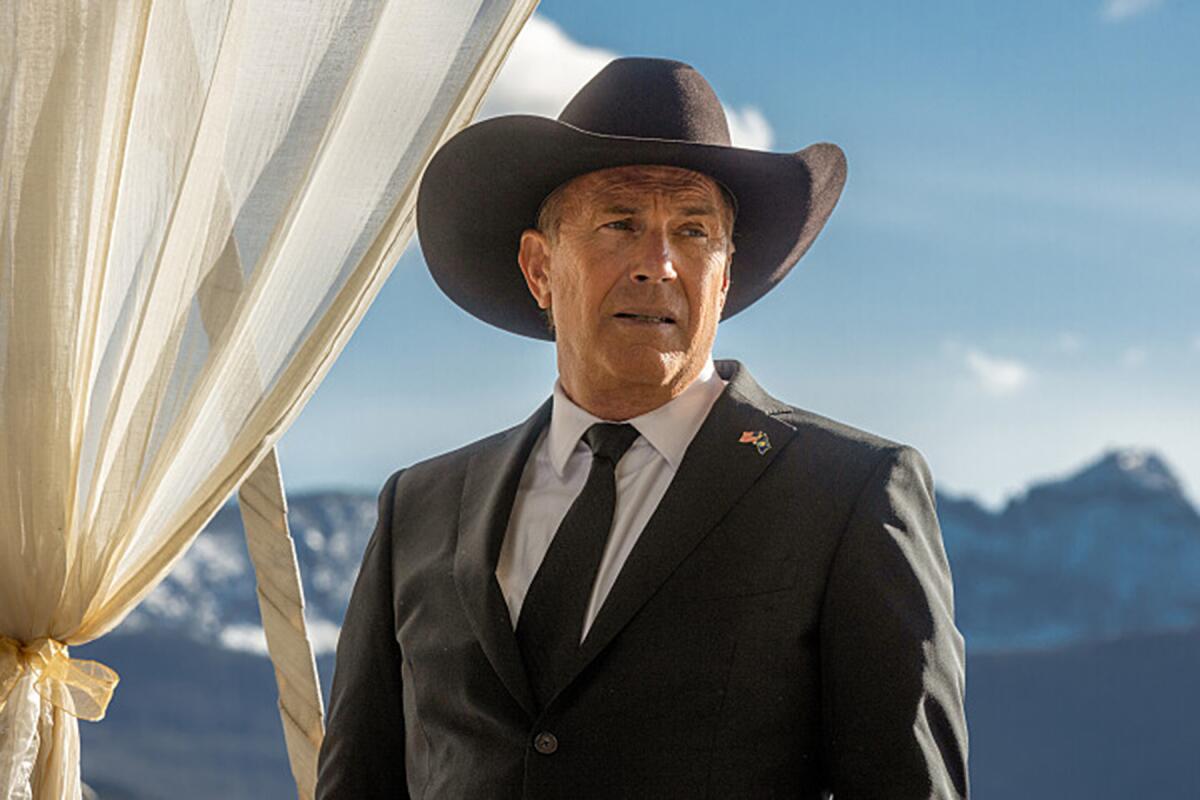
At the center of it all was Kevin Costner.
As John Dutton, Costner brought instant authority to the series. He was not simply playing another television patriarch. He arrived with decades of experience in Westerns and American dramas, including Dances with Wolves, Open Range, Field of Dreams, and The Bodyguard. His presence gave Yellowstone a credibility that helped attract audiences who might otherwise have ignored a cable drama about land disputes and family conflict.
For many viewers, John Dutton was Yellowstone. Every major betrayal, political battle, and family crisis eventually led back to him. His quiet intensity shaped the tone of the series, while his complicated relationship with his children gave the show its emotional center.
As the ratings grew, however, the production behind the show became increasingly complicated.
Creator Taylor Sheridan was no longer working on Yellowstone alone. His expanding television empire included projects such as 1883, 1923, Mayor of Kingstown, Tulsa King, Lioness, and Landman. Sheridan had become one of the busiest and most powerful creators in television, but that success also created new demands on his time.
According to Costner, the problems began when the production schedule stopped operating with the predictability he had originally expected. He believed he had committed to a long-term plan involving Seasons 5, 6, and 7, meaning John Dutton’s story was expected to continue well beyond the fifth season.
Instead, Season 5 was divided into two parts.
While split seasons are common in modern television, Costner has argued that the decision created a chain of scheduling problems. Rather than completing the season within one organized production window, filming became stretched across a much longer period. Delays accumulated, dates remained uncertain, and Costner found it increasingly difficult to plan the rest of his professional life.
That uncertainty became especially important because he was also developing Horizon: An American Saga, an ambitious Western film project he had spent years trying to make.
The public narrative soon became that Costner had chosen Horizon over Yellowstone. Reports suggested that he wanted to reduce his filming commitment and was unwilling to give the series enough time. Anonymous sources portrayed him as difficult, demanding, and focused primarily on his own movie.
Costner has strongly rejected that version of events.
In interviews, he said Yellowstone had originally held priority in his schedule. According to him, he repeatedly moved his plans for Horizon in order to accommodate changes in the television production. He insisted that the film was not designed to replace Yellowstone, but that the unpredictable schedule eventually made balancing both projects impossible.
Costner also claimed that he offered several possible solutions for completing the second half of Season 5. He wanted to finish John Dutton’s story and fulfill what he believed were his remaining obligations to the show.
The central problem, he said, was that the scripts were not ready.
Without completed scripts, there was no reliable way to schedule filming, coordinate production, or determine how much time he would actually be needed on set. Costner described a situation in which negotiations continued while the basic material required to move forward still had not arrived.
From his perspective, he was being asked to keep large portions of his schedule open without knowing when filming would begin or what he would be filming.
That may explain why reports later claimed he was only offering limited availability. Costner argued that by the time those negotiations occurred, so much time had already been lost that he could no longer leave his entire professional life on hold.
He told interviewers that he wanted to work more than once a year and could not continue waiting indefinitely for a production schedule that kept shifting.
As the delays continued, the dispute moved beyond private negotiations.
Entertainment outlets began publishing stories that placed the responsibility for the conflict almost entirely on Costner. Because he remained relatively quiet at first, those reports shaped public perception. Many fans concluded that the actor had simply walked away from the series to pursue Horizon.
Costner later said he became frustrated watching that narrative spread without anyone from the production publicly correcting it.
After spending five seasons helping build the show into a major hit, he felt he was being portrayed as the person who had suddenly refused to cooperate. He argued that this ignored the multiple schedule changes he had accepted and the long periods of uncertainty he had already endured.
One of his most revealing claims involved arriving prepared to work and discovering there was no completed script available for him. In Costner’s telling, that was the moment the process finally began to collapse.
He described the entire situation as something that “imploded,” suggesting there was never one dramatic argument that ended everything. Instead, months of delays, failed negotiations, and unresolved production issues gradually destroyed the working relationship.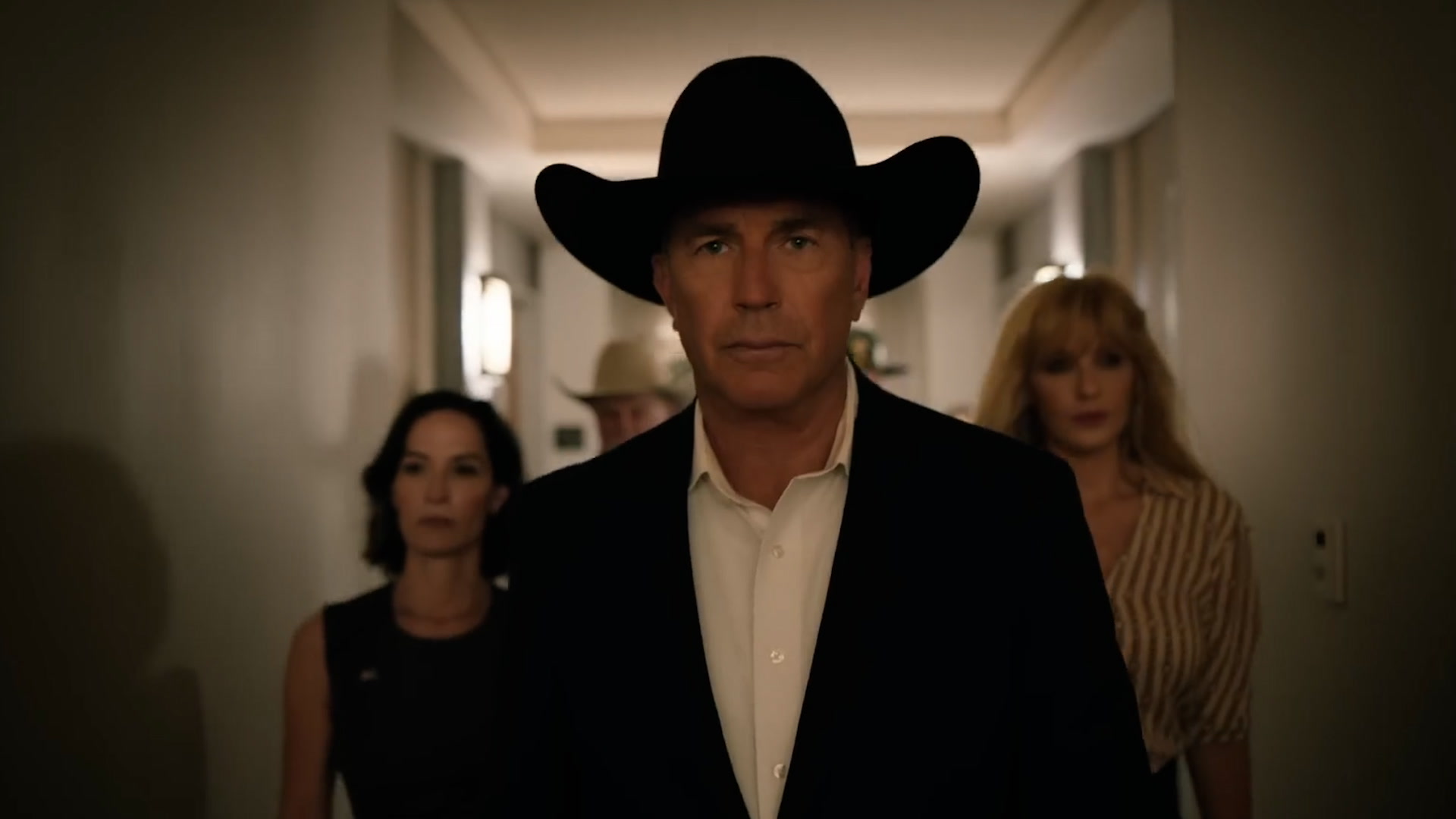
The conflict also raised questions about Costner’s relationship with Taylor Sheridan.
For years, the actor and creator had been the two central forces behind Yellowstone. Sheridan built the world and wrote the Dutton family’s conflicts, while Costner gave the series its most important character. Their partnership helped turn the show into a television phenomenon.
But as Sheridan’s production empire expanded, reports suggested that communication between the two men became strained. Although both sides have offered different perspectives, it became clear that the disagreement involved more than a simple calendar conflict.
There were questions of authority, responsibility, and control.
Costner had spent decades directing and producing his own films, while Sheridan had become one of Paramount’s most valuable creators. Both men had strong creative instincts and enormous professional influence. When production problems developed, neither appeared willing to accept a public narrative that placed the blame entirely on his side.
The situation became even more painful because Yellowstone did not feel like an ordinary job for Costner. John Dutton had become one of the defining roles of his later career, introducing him to a new generation and reminding audiences why he had long been associated with sweeping American Westerns.
Costner repeatedly said he was proud of the show and remained open to returning under the right circumstances. However, he also made clear that he would not continue without scripts, a workable schedule, and confidence that the production could move forward professionally.
In June 2024, he publicly confirmed that he would not return for the final episodes, ending years of speculation. The announcement made clear that whatever hope remained for a last-minute agreement had disappeared.
The series ultimately addressed John Dutton’s absence within the story, but for many fans, Yellowstone without Costner felt fundamentally different. His departure removed not only the family patriarch but also the character around whom nearly every conflict had originally been constructed.
What makes the controversy so complicated is that there may never be one single version of the truth.
From the production’s perspective, Costner’s work on Horizon clearly affected his availability. From Costner’s perspective, that conflict only became unmanageable because Yellowstone failed to maintain the schedule and scripts he had been promised.
Both things could be true at the same time.
The real reason Kevin Costner left may not have been one explosive feud or one selfish decision. It appears to have been the result of a professional relationship gradually damaged by delays, changing expectations, public accusations, and a breakdown of trust.
Costner has made it clear that he does not believe he abandoned Yellowstone. In his view, he remained committed until the production process stopped giving him a realistic path forward.
That distinction matters because it changes the story. Instead of an actor casually leaving a successful series for a personal passion project, it becomes the story of two enormous creative forces whose partnership could no longer survive the pressure surrounding one of television’s biggest shows.