For millions of television viewers, Pernell Roberts will always be remembered as Adam Cartwright, the intelligent and dependable eldest son on Bonanza. On screen, the Cartwright family represented loyalty, strength, and unity. Behind the cameras, however, Roberts was fighting a very different battle—one that had little to do with his co-stars and everything to do with his growing frustration with Hollywood itself.
Over the years, countless stories circulated about Roberts’ unhappy experience on Bonanza. Among the most sensational was the rumor that he once referred to a fellow cast member as a “child of Satan,” leading many fans to believe he despised Michael Landon, who played the beloved Little Joe.
The reality appears to have been far more complicated.
Long before Bonanza made him a television star, Pernell Roberts considered himself first and foremost a stage actor. Born in Waycross, Georgia, in 1928, he developed a passion for acting early in life. After serving in the United States Marine Corps Band, he studied theater and built an impressive reputation in New York, performing Shakespeare and other demanding dramatic works that challenged him creatively.
By the late 1950s, Hollywood had taken notice.
After appearing in several films and television westerns, Roberts accepted the role of Adam Cartwright in NBC’s ambitious new series, Bonanza. The show quickly became a groundbreaking success as the first western filmed entirely in color and soon grew into one of the biggest television hits of its era.
Audiences admired Adam as the thoughtful, educated eldest son whose calm intelligence balanced the personalities of Ben, Hoss, and Little Joe.
But while viewers embraced the series, Roberts was becoming increasingly dissatisfied.
Unlike many actors who happily settled into long-running television roles, Roberts feared repetition. He believed the scripts rarely allowed his character to evolve and often criticized what he viewed as formulaic storytelling. Week after week, he felt Adam was repeating the same emotional journey without meaningful growth.
He also questioned aspects of the show’s family dynamic.
Roberts reportedly felt that four grown men constantly seeking approval from their father made the relationships feel less realistic than they could have been. More importantly, he wished the series would address larger social and political issues rather than relying primarily on familiar western adventures.
Those opinions earned him a reputation for being difficult.
From Roberts’ perspective, however, he was simply refusing to accept creative complacency. He believed television could achieve far more than entertaining audiences with predictable stories, and he wasn’t afraid to express those views—even when they made executives uncomfortable.
As Bonanza became more successful, stories about tension behind the scenes began spreading throughout Hollywood.
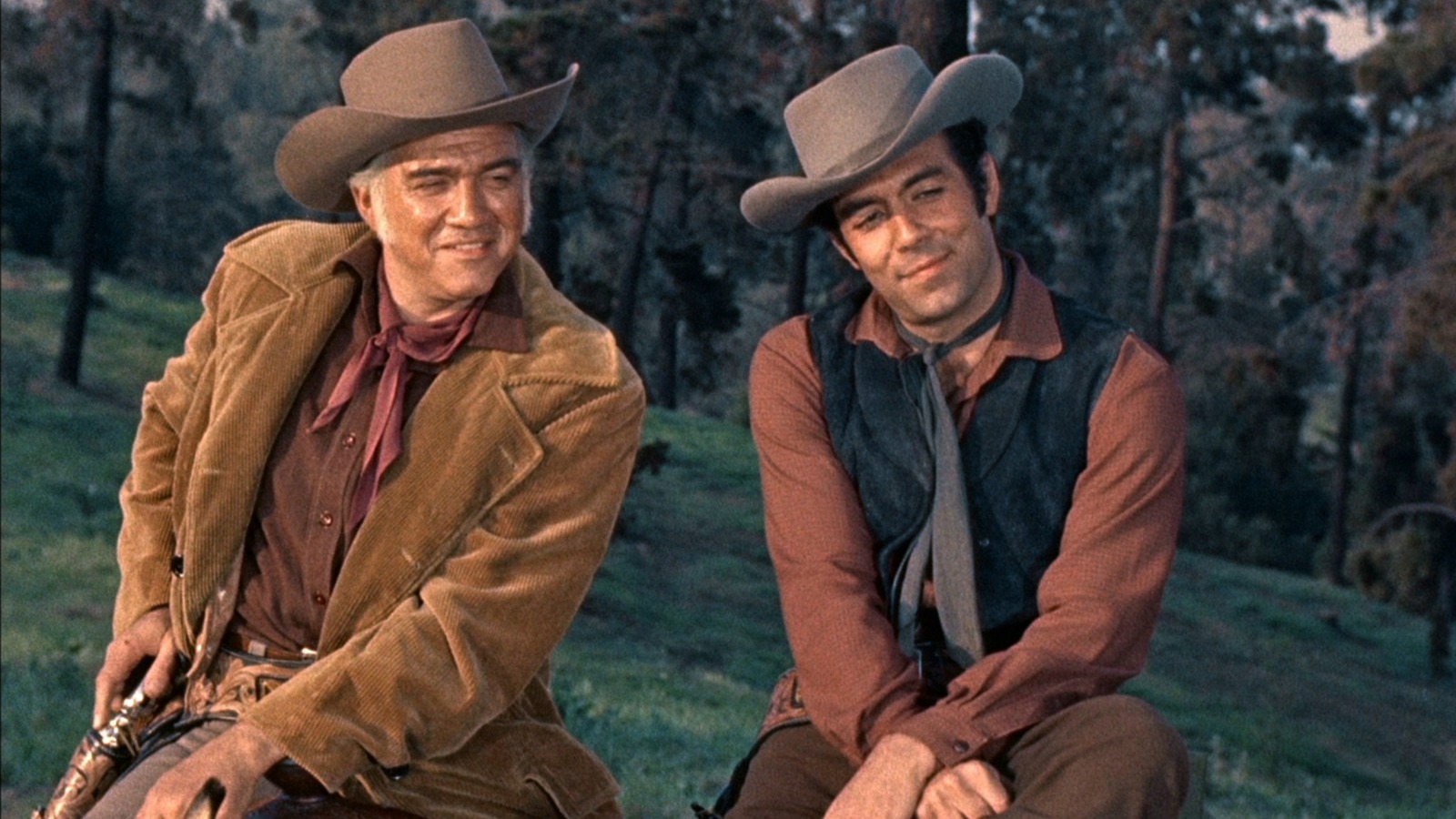 One rumor proved especially persistent.
According to repeated gossip over the years, Roberts had supposedly called a fellow actor a “child of Satan.” Because of his well-known disagreements with the production, many assumed the insult had been directed at Michael Landon.
There is no reliable evidence supporting that claim.
In fact, people who worked with both actors have described a far more respectful relationship than the rumors suggested.
Years after Roberts left Bonanza, actress Bettye Ackerman recalled witnessing an unexpected reunion while Roberts was starring in Trapper John, M.D. According to her account, Michael Landon quietly visited the set to surprise his former co-star.
When Roberts saw him, he immediately greeted Landon with a warm embrace.
The reunion reportedly reflected genuine affection rather than years of unresolved hostility. Whatever professional disagreements may have existed during their time on Bonanza, they had not destroyed the personal respect the two actors held for one another.
That moment challenged one of the show’s longest-running myths.
The deeper conflict in Roberts’ career was never truly about Michael Landon or any individual cast member.
It was about the television industry itself.
Roberts increasingly viewed network television as an assembly line that rewarded familiarity instead of artistic ambition. He believed executives prioritized safe, profitable formulas over meaningful storytelling and expected actors to remain satisfied simply because a series was successful.
For Roberts, success without creative fulfillment wasn’t enough.
After six seasons, he made one of the most surprising decisions in television history by leaving Bonanza while it remained one of America’s highest-rated programs.
Many people thought he had made a disastrous mistake.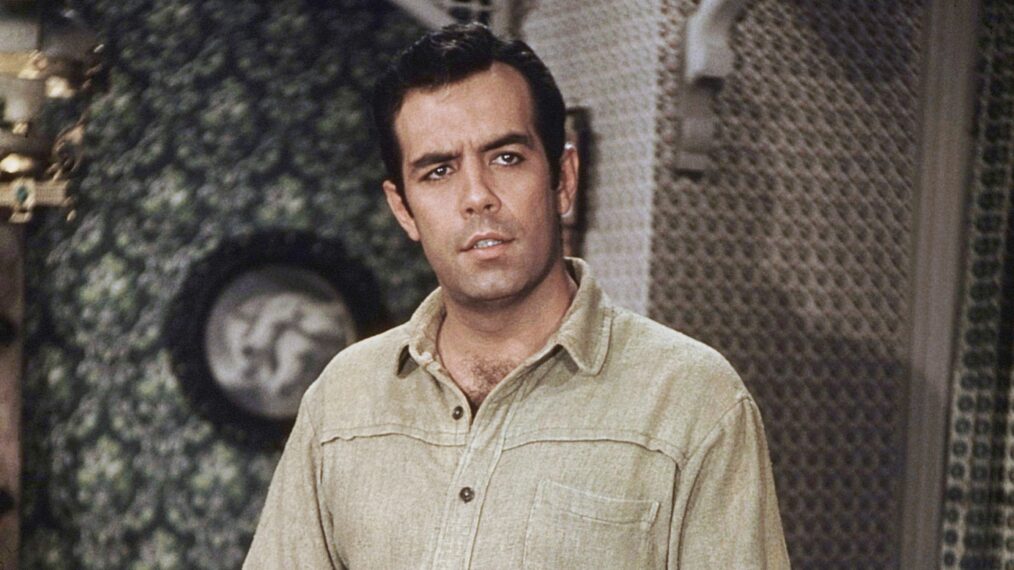
Walking away from television’s biggest western meant leaving behind enormous financial security, national fame, and one of the industry’s most recognizable roles. Yet Roberts consistently maintained that remaining on the series would have required sacrificing the artistic values that had first inspired him to become an actor.
Looking back years later, he expressed no regret.
Although his career never again reached the extraordinary popularity of Bonanza, he continued working steadily in theater, television, and film, eventually earning praise for his performance in the medical drama Trapper John, M.D.
His personal life, however, was not without heartbreak.
Roberts endured the devastating loss of his only son, an experience that deeply affected him in later years. Despite that tragedy, he eventually found lasting happiness with his fourth wife, Eleanor Criswell, who remained by his side until his death from pancreatic cancer in 2010.
Today, Pernell Roberts occupies a unique place in television history.
Some remember him as the actor who walked away from extraordinary fame.
Others remember him as a principled artist unwilling to compromise his beliefs simply to remain on a hit series.
Perhaps both are true.
His story reminds us that success means different things to different people. While many dream of starring in television’s biggest show, Roberts ultimately believed that protecting his artistic integrity mattered more than ratings, wealth, or celebrity.
That conviction may have cost him even greater fame—but it also ensured he remained true to the values that defined him from the very beginning.

