For decades, the Eagles represented musical perfection: immaculate harmonies, polished songwriting, and a catalog that defined an era of American rock. Behind that success, however, former guitarist Don Felder has described a far more complicated world shaped by creative rivalry, financial disputes, and shifting power inside the band.
Now in his late seventies, Felder no longer speaks as someone hoping to return to the Eagles. Instead, he has focused on preserving his own account of what happened and securing recognition for the role he played in the group’s most celebrated period.
Felder joined the Eagles in 1974 as the band began moving away from its softer country-rock roots toward a heavier, guitar-driven sound. His arrival proved crucial. He contributed to major recordings, helped expand the group’s musical identity, and wrote the instrumental foundation that eventually became “Hotel California.”
The song would grow into the Eagles’ defining masterpiece.
Felder developed its haunting chord progression and presented the original demo to the band. Don Henley and Glenn Frey later helped shape the lyrics and overall arrangement, while Felder and Joe Walsh delivered the celebrated closing guitar exchange. The final recording became one of the most recognizable rock songs ever made.
Despite that achievement, Felder later claimed that relationships within the Eagles became increasingly strained as the group grew more successful.
According to his memoir and subsequent interviews, Henley and Frey gradually assumed greater control over major decisions involving songwriting, management, touring, and finances. Felder believed that the band’s earlier sense of shared ownership was being replaced by a hierarchy in which some members had far more authority than others.
Henley and Frey offered their own interpretation of events, arguing that leadership reflected their central songwriting and organizational roles. As with many long-running band disputes, the full story depends heavily on which participant is telling it.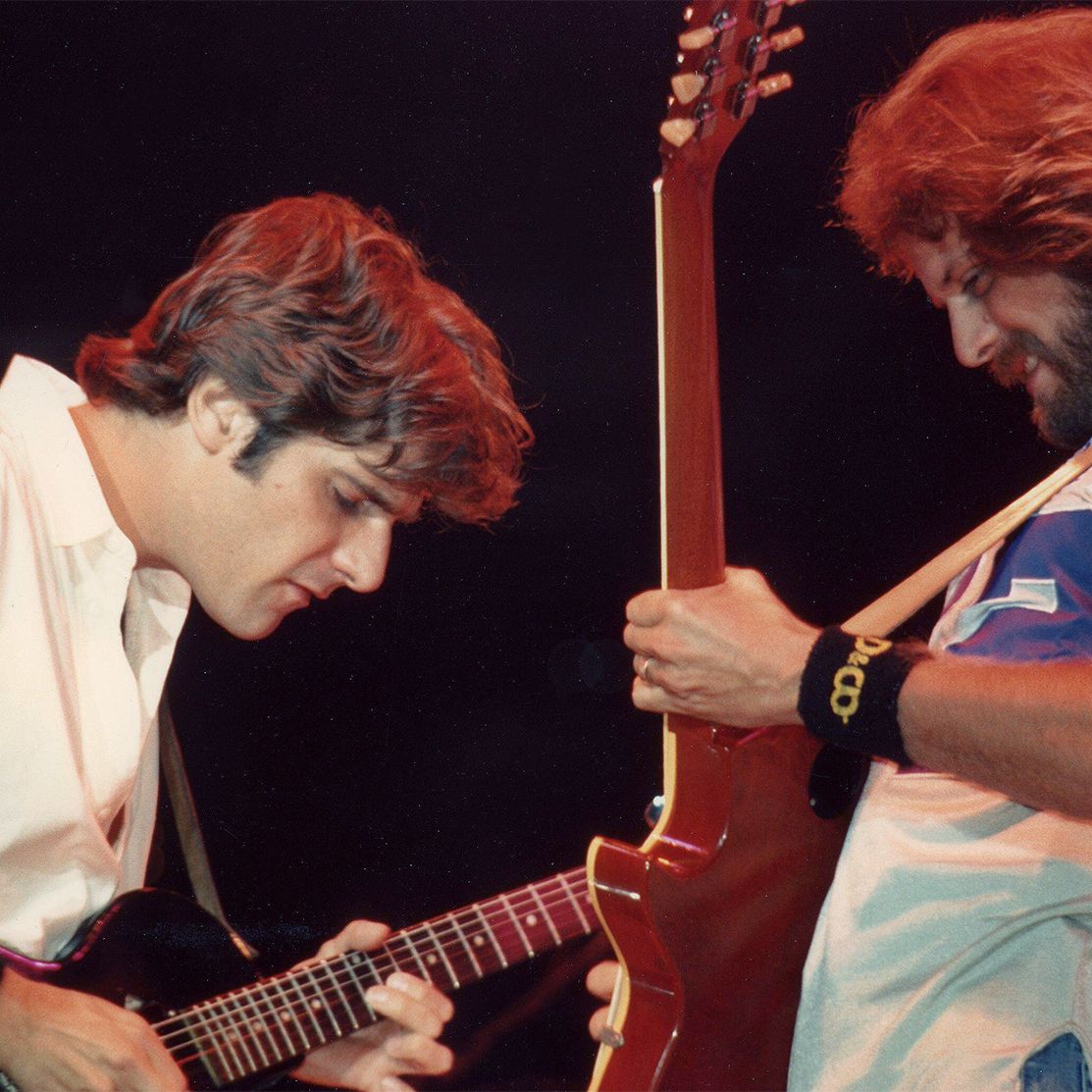
What is clear is that resentment intensified.
The tensions were not entirely hidden from the public. During a 1980 benefit concert in Long Beach, California, hostility between Felder and Frey reportedly erupted into angry exchanges both onstage and backstage. The Eagles separated shortly afterward and would not perform together again for nearly fourteen years.
When the band reunited for the enormously successful Hell Freezes Over project in 1994, old disagreements had not disappeared. The reunion restored the Eagles’ commercial power, but Felder later maintained that financial arrangements and decision-making had changed in ways he considered unfair.
Those disputes eventually reached a breaking point.
In 2001, Felder was dismissed from the Eagles. He responded by filing lawsuits against Henley, Frey, and the band’s business organization, alleging wrongful termination, breach of contract, and unfair treatment. The defendants rejected his claims and filed legal responses of their own.
After years of litigation, the dispute was settled out of court in 2007. The financial terms were not publicly disclosed.
Felder later presented his version of the conflict in his memoir, Heaven and Hell: My Life in the Eagles, first published in the United Kingdom in 2007 and later released in the United States. The book described the extraordinary success of the band alongside what Felder portrayed as an increasingly tense and controlling internal environment.
His account generated controversy because it challenged the carefully managed public image of the Eagles. It also made clear that the glamorous life associated with one of rock’s biggest bands had carried a considerable emotional cost.
Still, Felder’s reflections should be understood as one participant’s perspective rather than a definitive, uncontested history. Other Eagles members have disputed parts of his account, and the disagreements between them have remained deeply personal.
In the years following his departure, Felder concentrated on rebuilding his life and career outside the group. He returned to solo recording, collaborated with other musicians, toured regularly, and continued performing the songs most closely connected to his legacy.
Albums such as Road to Forever and American Rock ‘n’ Roll allowed him to establish an identity beyond the Eagles while still acknowledging the music that made him famous.
Felder has repeatedly indicated that he is not waiting for an invitation to rejoin the band. His later interviews have focused less on revenge and more on acceptance. He has spoken about the damage caused by carrying resentment and the importance of letting go, even when reconciliation never arrives.
That does not mean he has withdrawn his criticism.
He still believes his creative contributions deserve greater recognition, especially his role in developing “Hotel California” and helping shape the harder-edged sound of the Eagles during the 1970s. But he has also suggested that peace became more valuable than continuing a decades-old battle.
The history of the Eagles cannot be reduced to one villain or one victim. It is the story of exceptionally talented musicians whose ambition, personalities, and business interests collided under enormous pressure.
Their conflicts were real, but so was the music they created together.
For Don Felder, that may be the most difficult truth of all: some of the greatest work of his life emerged from relationships that eventually became impossible to sustain.
💭 Do you think Don Felder received enough credit for shaping the Eagles’ classic sound? And could the band ever have created Hotel California without the creative tension behind it? Share your thoughts below. 🎶👇
#DonFelder #TheEagles #HotelCalifornia #GlennFrey #DonHenley #ClassicRock #RockHistory #MusicLegends 🎸✨


