When The Professionals premiered in 1966, audiences saw four Hollywood giants—Burt Lancaster, Lee Marvin, Robert Ryan, and Woody Strode—working together with effortless confidence.
Behind the cameras, however, stories of friction between Lancaster and Marvin have circulated for decades.
Some recent accounts describe an explosive rivalry that revealed everything about the two men’s opposing personalities. While cast and crew have acknowledged that the actors were very different people, many of the more dramatic stories—including specific confrontations and private conversations—remain difficult to verify through contemporary sources.
What is well documented is that Lancaster and Marvin represented two very different paths to Hollywood success, and those differences naturally shaped how they approached both acting and life.
Burt Lancaster entered the film industry unlike almost anyone else of his generation.
Before becoming an actor, he worked as a circus acrobat, developing extraordinary physical discipline that would later become one of his trademarks on screen. Whether performing his own stunts or preparing for demanding roles, Lancaster approached his craft with meticulous professionalism.
Friends and colleagues frequently described him as organized, punctual, and intensely committed to maintaining peak physical condition.
Lee Marvin could hardly have been more different.
Born in 1924, Marvin served in the United States Marine Corps during World War II and was seriously wounded during the Battle of Saipan in 1944. His injuries earned him a Purple Heart, and like many combat veterans, he carried the emotional impact of the war throughout much of his life.
Those experiences profoundly influenced both his personality and his acting.
Rather than relying on polished technique, Marvin often brought an unpredictable, rugged authenticity to his performances. His gravelly voice, weathered appearance, and understated intensity made him one of Hollywood’s most distinctive leading men.
When the two actors came together for The Professionals, their contrasting styles were immediately apparent.
Lancaster believed in preparation.
Marvin trusted instinct.
Lancaster valued structure and discipline.
Marvin projected effortless spontaneity.
Neither philosophy was inherently superior, but they reflected fundamentally different life experiences.
Over the years, various stories have suggested that Marvin occasionally mocked Lancaster’s polished professionalism, while Lancaster grew frustrated with Marvin’s more relaxed approach to the set. Although several biographies acknowledge moments of creative disagreement, there is little definitive evidence that the relationship descended into the kind of constant hostility sometimes portrayed in later retellings.
In fact, both men completed the production successfully, and The Professionals became one of the most acclaimed Westerns of its era, earning Academy Award nominations and remaining highly regarded decades later.
Another recurring claim involves a heated confrontation during filming in Death Valley around Christmas 1965.
While such stories have appeared in personal recollections and internet retellings, they have not been firmly corroborated by multiple contemporary sources. As with many behind-the-scenes Hollywood legends, separating fact from embellishment has become increasingly difficult over time.
What can be documented is the profound contrast between the two actors’ personal histories.
Marvin’s wartime service was an undeniable part of his identity.
He rarely romanticized combat and openly acknowledged its lasting psychological effects. Friends recalled that he could be both generous and deeply troubled, and he struggled with alcohol for many years.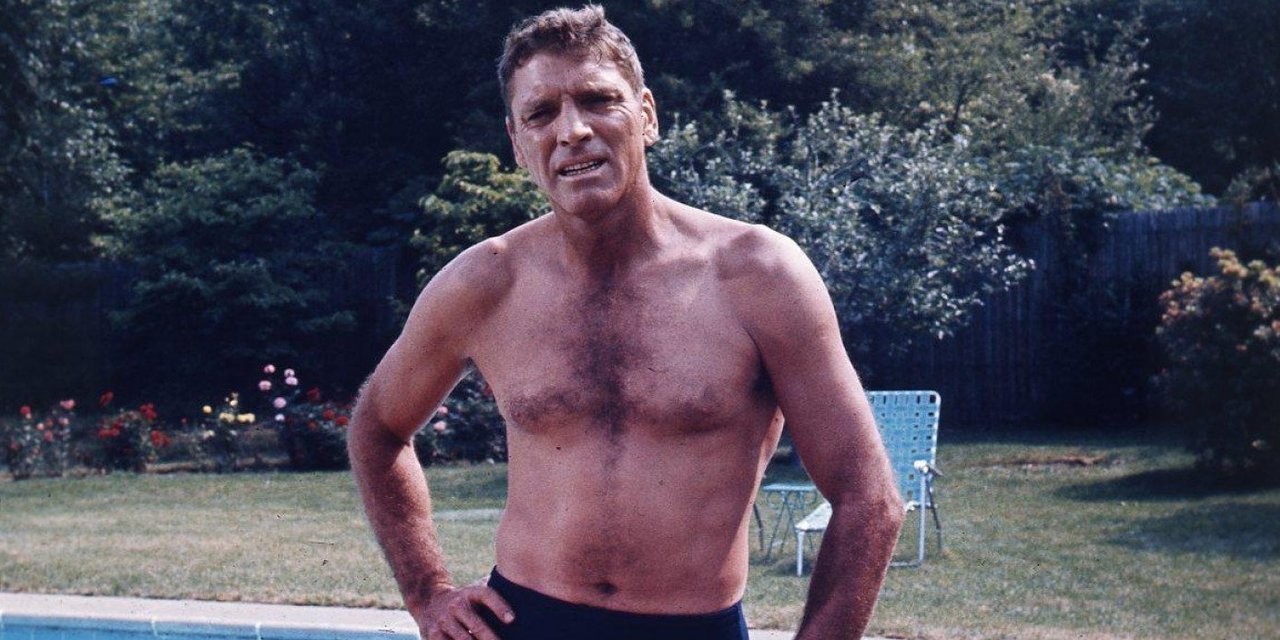
Lancaster’s life followed a completely different course.
Although he supported the war effort through USO performances and attempted to enter military service during World War II, he did not serve in combat. Some biographies note that medical issues, including problems with his feet, contributed to his inability to enlist for active combat, though historians differ on the precise circumstances.
Unlike some modern internet stories, there is no strong evidence that Lancaster spent the rest of his life consciously seeking “penance” because he missed wartime service.
Instead, his extraordinary work ethic appears to have been rooted in the same determination that carried him from a working-class childhood to international stardom.
Perhaps that explains why the two men fascinated one another.
Each represented qualities the other had never experienced.
Marvin carried the scars of real war.
Lancaster possessed remarkable self-discipline forged through years of relentless effort.
One projected raw realism.
The other demonstrated carefully refined professionalism.
Neither approach diminished the achievements of the other.
Looking back, it may be tempting to frame their relationship as a battle over what constituted “real” masculinity.
The historical record suggests something more nuanced.
Both men became legends because they brought completely different strengths to the screen. Lancaster’s athletic precision and commanding presence complemented Marvin’s understated toughness and emotional depth, creating performances that audiences continue to admire.
Whether every dramatic story about their disagreements is true may never be known.
What remains beyond dispute is that two of Hollywood’s greatest actors, shaped by dramatically different lives, came together to create a film that has stood the test of time.
Sometimes that contrast—not conflict—is what makes great cinema unforgettable.


