For millions of viewers, Harvey Korman was the definition of comedy brilliance. He was the man who could create laughter with a single expression, a perfectly timed pause, or the simple struggle to keep a straight face while his longtime partner Tim Conway turned a scene into complete chaos. His unforgettable performances on The Carol Burnett Show became some of the greatest moments in television comedy history.
But behind the laughter was a much quieter story.
The man audiences saw on screen was energetic, dramatic, and endlessly entertaining. The man away from the cameras was far more private—a dedicated performer who spent years fighting for success, dealing with self-doubt, and learning that true fulfillment did not always come from being the center of attention.
Harvey Korman was born on February 15, 1927, in Chicago, Illinois. Unlike many entertainers who grow up surrounded by the performing arts, Harvey came from a working-class family with no clear path into Hollywood. His early life was shaped by discipline, responsibility, and the understanding that success would not come easily.
Near the end of World War II, he served in the United States Navy, an experience that helped shape the patience and determination he would later bring to his career.
After leaving the military, Harvey made a risky decision.
He wanted to become an actor.
The road was not easy.
For years, Korman worked wherever he could find opportunities. He performed in theater, appeared in small television roles, did voice work, and took other jobs to support himself. While some performers found fame quickly, Harvey spent nearly two decades building his skills and waiting for his opportunity.
But he never gave up.
His persistence eventually began to pay off in the 1960s. He appeared in popular programs such as Perry Mason, The Donna Reed Show, and The Lucy Show, gradually earning recognition for his timing and versatility.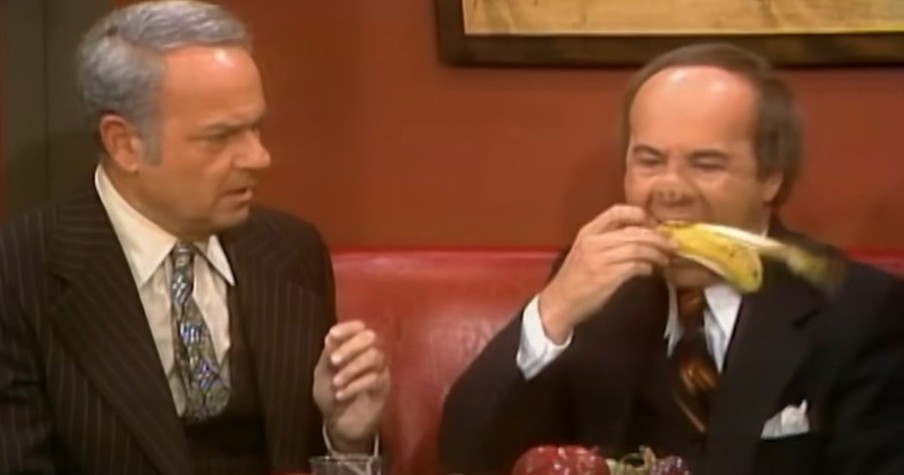
His talent also led him into voice acting, including the memorable role of The Great Gazoo on The Flintstones.
Then came the role that changed everything.
In 1967, Harvey Korman joined The Carol Burnett Show.
Almost overnight, audiences discovered a performer unlike anyone else. The show allowed him to create countless characters, from dramatic personalities to completely ridiculous figures, proving that his range extended far beyond traditional comedy.
His ability to react made him especially unforgettable.
Some of the funniest moments were not planned jokes but Harvey’s genuine attempts to stay composed while Tim Conway improvised unexpected moments. Fans loved watching him struggle not to laugh because it revealed something rare—a performer whose reactions were just as entertaining as the performance itself.
His partnership with Carol Burnett and Tim Conway became one of television’s greatest comedy combinations.
During his years on the show, Harvey earned multiple awards, including four Primetime Emmy Awards and a Golden Globe, establishing himself as one of the most respected comedy actors of his generation.
Yet despite his success, Harvey never viewed himself as the typical Hollywood star.
He often saw himself as someone who worked best as part of a team.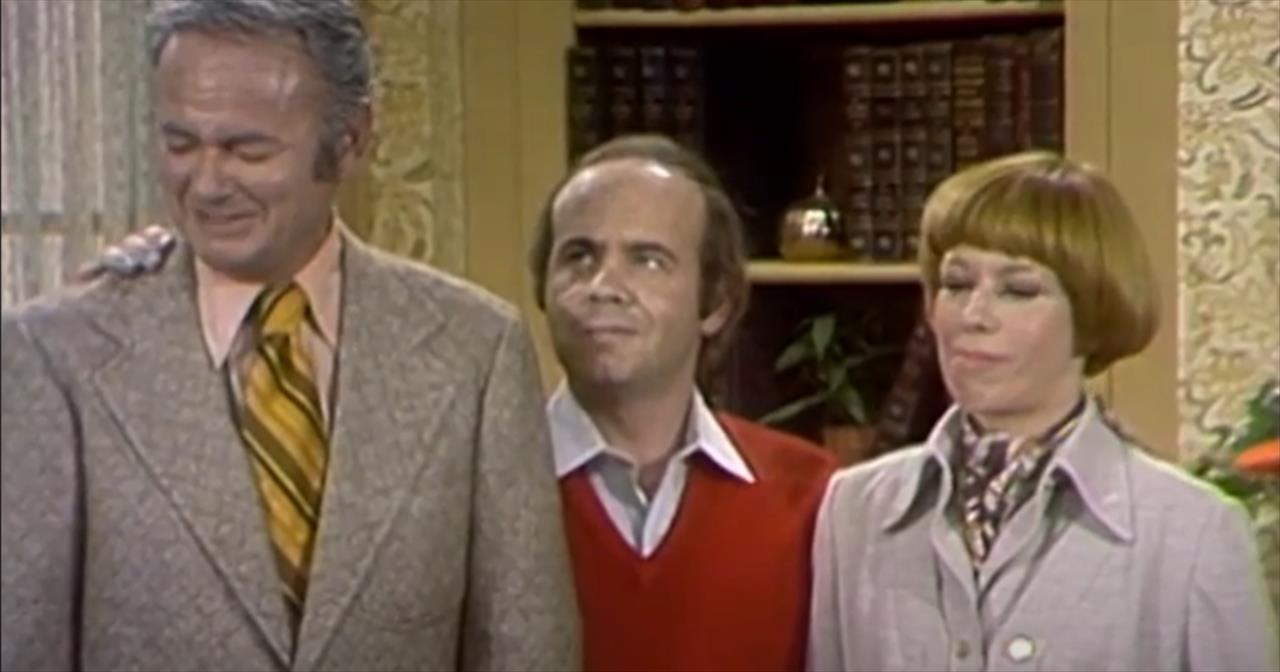
That belief shaped one of the most important decisions of his career.
At the height of his popularity, Korman decided to leave The Carol Burnett Show and attempt to lead his own television series. The move was understandable—after years of supporting others, he wanted to prove he could carry a show himself.
However, The Harvey Korman Show struggled to connect with audiences and was canceled after a short run.
For many performers, such a setback could have been devastating.
But Harvey responded differently.
Instead of blaming the network or circumstances, he later acknowledged that the experience taught him something important. He realized that his greatest strength was not necessarily being the single star at the center of attention. His magic came from collaboration, chemistry, and making the people around him better.
That honesty revealed the humility behind the comedian.
Although he never again reached the same television heights as his Carol Burnett Show years, Harvey continued building an impressive career. He became a favorite collaborator of filmmaker Mel Brooks, appearing in classic comedies such as Blazing Saddles, High Anxiety, and History of the World, Part I.
His performances proved that his talent extended far beyond sketch comedy.
He could play ridiculous, serious, dramatic, and completely unpredictable characters with equal skill.
Away from Hollywood, Harvey lived a much more private life.
Unlike many celebrities, he avoided major scandals and rarely allowed his personal affairs to become entertainment news. He valued family and kept much of his life away from public attention.
After his first marriage ended in 1977, he later found happiness with Deborah Fritz, whom he remained with for the rest of his life.
His friendship with Tim Conway also remained one of the most meaningful relationships of his career. Their connection went far beyond television. They shared years of trust, respect, and a unique comedic understanding that fans continued celebrating long after The Carol Burnett Show ended.
In 2008, Harvey Korman’s health began to decline. After complications following surgery and a ruptured abdominal aortic aneurysm, he passed away on May 29, 2008, at the age of 81.
The entertainment world lost one of its greatest comedic talents.
But the real story of Harvey Korman was never about hidden scandals or dramatic secrets.
His “double life” was something much more human.
It was the contrast between the performer who made millions laugh and the private man who spent decades working, struggling, learning, and quietly overcoming disappointment.
Harvey Korman proved that greatness does not always come from being the loudest person in the room. Sometimes it comes from dedication, humility, and the ability to bring joy to others.
His legacy lives on every time audiences watch those unforgettable moments when he tried—and often failed—to stop himself from laughing.