For years, Hollywood celebrated Sally Field and Burt Reynolds as one of its most glamorous couples. Burt often described Sally as the “love of his life,” creating a public image of an unforgettable romance. But in her 2018 memoir In Pieces, Sally Field revealed that the reality behind their relationship was far more complicated—one marked by deep affection, painful control, and the difficult journey toward reclaiming her own voice.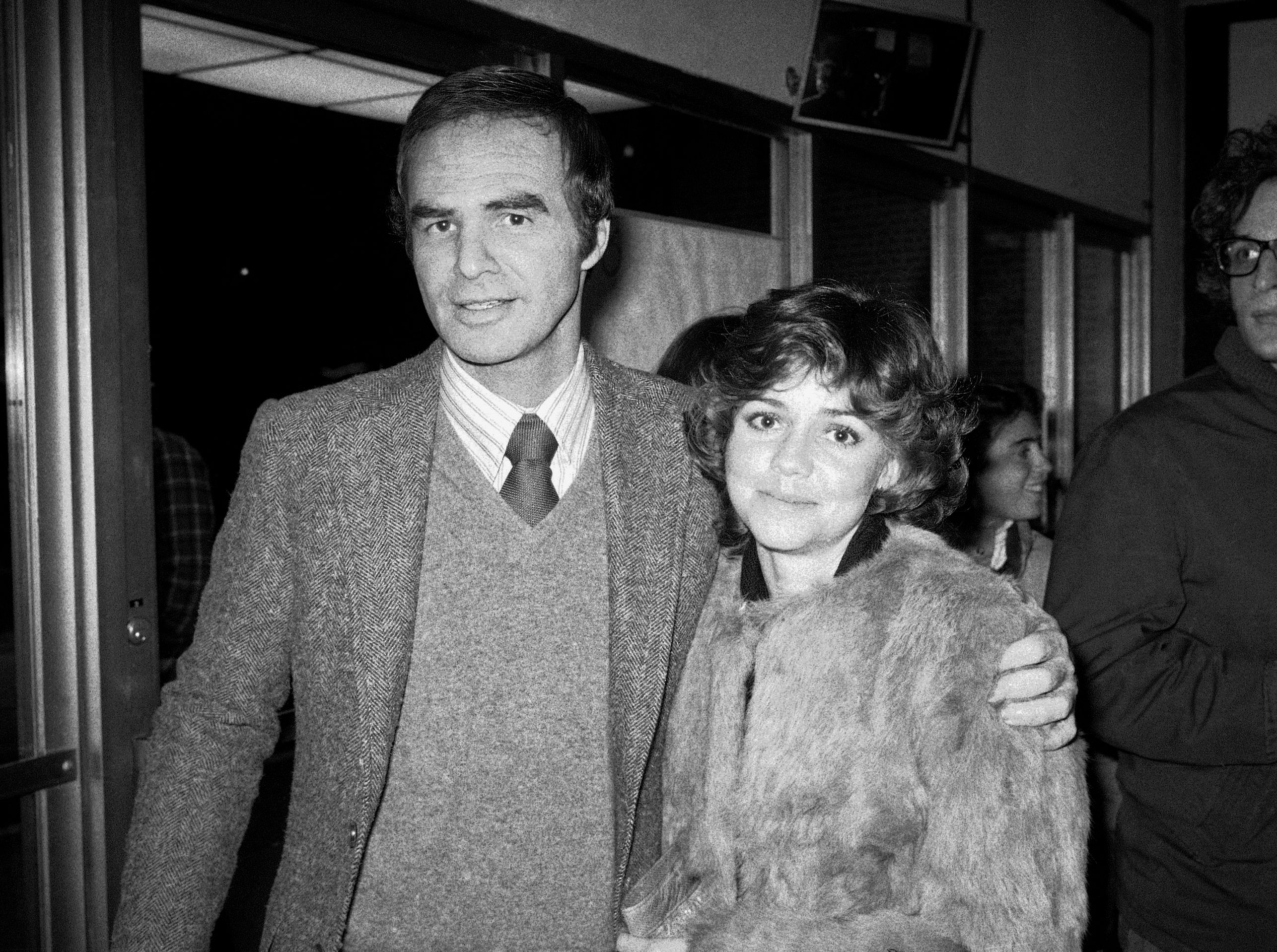
When Sally met Burt Reynolds on the set of Smokey and the Bandit in 1977, she was finally beginning to break free from years of being typecast in lighthearted television roles. Her acclaimed performance in Sybil had earned serious recognition, yet she still struggled with self-doubt rooted in a traumatic childhood. Field later revealed that years of sexual and emotional abuse by her stepfather had left lasting emotional scars, making her vulnerable to seeking validation from charismatic but controlling people.
By contrast, Burt Reynolds was one of Hollywood’s biggest stars.
Their relationship quickly became one of the industry’s most talked-about romances, but behind the headlines, Sally says she increasingly found herself living under the shadow of Reynolds’ powerful personality. She described a relationship shaped by jealousy, emotional imbalance, and attempts to influence both her personal choices and professional ambitions.
The defining moment came when she was offered the starring role in Norma Rae.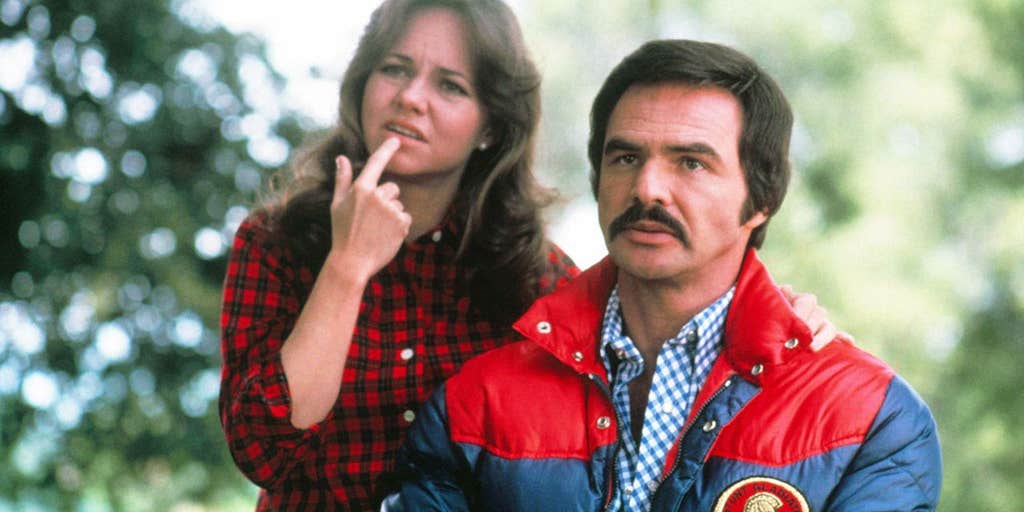
According to Field, Reynolds strongly opposed her accepting the part, believing it would interfere with their relationship. She later recalled that during one heated disagreement, he threw the screenplay across the room in frustration. Rather than giving in, Sally chose to follow her instincts and accept the role—a decision that would forever change both her career and her life.
That choice proved transformative.
Norma Rae earned Sally Field the Academy Award for Best Actress, becoming the role that helped her discover a new sense of confidence and independence. Although Reynolds reportedly refused to attend the Oscars with her, the experience strengthened her determination to build a future based on her own decisions rather than someone else’s expectations.
Eventually, she made the painful decision to end the relationship.
For the remaining three decades of Burt Reynolds’ life, the two rarely had meaningful contact. Field has explained that maintaining that distance was not motivated by bitterness but by the need to protect her own emotional well-being after years of healing from the relationship.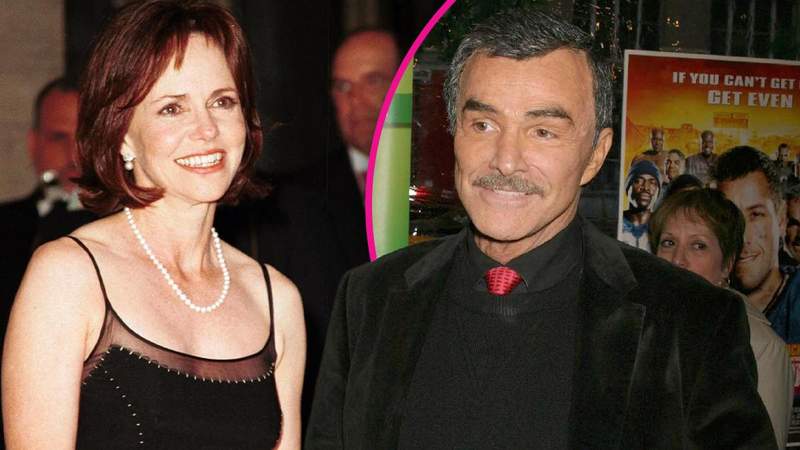
Even after Reynolds’ death in 2018, Sally chose not to rewrite history.
She acknowledged that the love between them had been genuine, but she also refused to ignore the emotional complexity that accompanied it. While Reynolds continued to publicly describe her as the great love of his life, Field offered a more complete picture—one that included love, disappointment, personal growth, and ultimately the courage to walk away.
Today, Sally Field’s story stands not as a tale of revenge, but as one of resilience. By finally sharing her experience in her own words, she transformed a decades-old Hollywood romance into something far more meaningful: a reminder that true healing begins when someone is finally able to tell their own story.