Sir Michael Caine, the legendary British actor whose career has spanned more than seven decades and delivered some of cinema’s most indelible performances, has at the age of 92 revealed the six films that he considers his greatest inspirations and lifelong companions. In a rare and deeply personal reflection, the two-time Oscar winner has opened up about the movies that shaped his artistic soul, offering a masterclass in cinematic taste that reaches back to the golden age of Hollywood and forward to the very essence of what makes great acting endure. The list, which Caine has discussed in interviews and video reflections, reads like a canon of film history itself, featuring works that defined genres and redefined performance.
Caine, born Morris Micklewhite in the working-class district of Elephant and Castle in London, has always been remarkably candid about the influences that propelled him from humble beginnings to international stardom. He has spoken often about the moment he first saw Humphrey Bogart on screen and realized that acting could be something more than mere performance, that it could be a form of raw, unvarnished truth. His list begins with a film that he credits with sparking his entire cinematic awakening, The Maltese Falcon from 1941, the John Huston masterpiece that introduced him to the shadowy world of film noir and the power of understated malevolence.
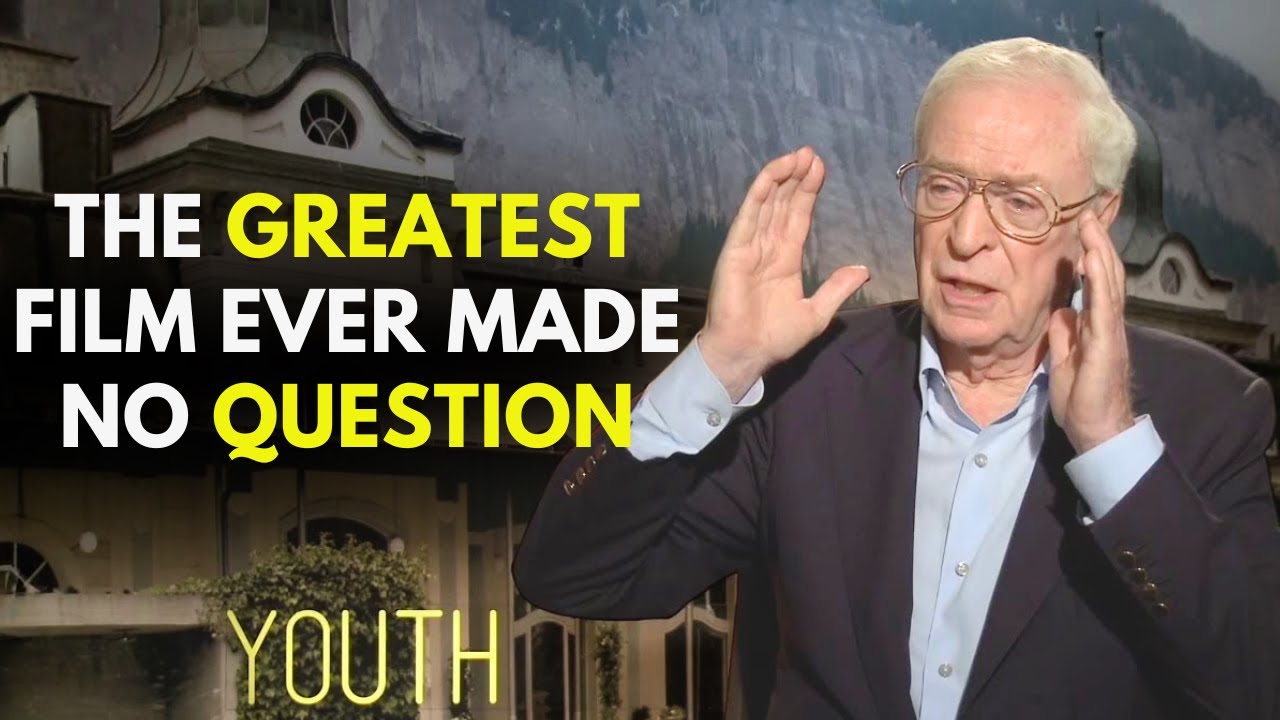 Caine has described watching The Maltese Falcon as a young man in postwar London as a revelation that changed his life forever. He said it was the first time he had ever seen what they call a film noir, and that discovery altered how he thought about acting for the rest of his career. Until that moment, he had mostly seen light British dramas and romantic pictures, but Huston’s film struck him like lightning, a world of shadows, cigarettes, and moral grayness where every glance mattered.
That is when he learned movies could talk in darkness, he once reflected, capturing the profound impact that Bogart’s Sam Spade had on his developing artistic sensibilities.
The story of The Maltese Falcon, based on Dashiell Hammett’s novel, follows private detective Sam Spade as he becomes entangled with a gallery of liars and killers all searching for a jewel-encrusted statuette. But what captivated Caine was not just the mystery, it was the mood, the cramped San Francisco offices, the rain-streaked windows, and the verbal duels between Spade and the femme fatale Brigid O’Shaughnessy, played by Mary Astor. Caine has said that watching Bogart in that film was the moment he decided what kind of actor he wanted to be, tough without bravado, sarcastic yet vulnerable, a man who did not act like he knew the camera was there but simply was that man.
For Caine, who grew up in the gritty reality of London’s Elephant and Castle, Bogart embodied something magnetic, a man who understood life’s cruelty but kept his dignity intact. Later in his career, whether playing gangsters in Get Carter or spies in The Ipcress File, Caine would carry that same understated steeliness. He also admired Huston’s direction, which marked the filmmaker’s debut and already bore his trademarks of sharp dialogue, tight composition, and moral ambiguity.
Caine loved how Huston trusted the audience, nothing was spoonfed, and he often repeated Huston’s golden rule that if it is not interesting, do not shoot it.
The second film on Caine’s list is another Huston masterpiece, The Treasure of the Sierra Madre from 1948, which he speaks about with the kind of awe most actors reserve for a sacred text. Caine has said that if you ever heard the voice of God, it would be John Huston, a single sentence that captures how deeply he reveres the director. For Caine, this film is not only one of Huston’s masterpieces but a parable about ambition, corruption, and what happens when men forget their souls in pursuit of fortune.
The film follows three down-on-their-luck drifters in 1920s Mexico who head into the mountains searching for gold, only to see camaraderie give way to paranoia and greed.
As their stash of gold dust grows, the character played by Bogart, Fred C. Dobbs, unravels completely, convinced his partners plan to cheat him, turning violent only to meet his own ironic downfall when bandits steal the loot and scatter it to the wind. The movie closes with the grizzled prospector Howard, played by Huston’s father Walter Huston, laughing at the absurdity of it all.
Caine has said he has always been fascinated by films that examine moral failure, and what makes The Treasure of the Sierra Madre special to him is how it balances action and philosophy, adventure on the surface, existential tragedy underneath.
Caine saw in Huston’s storytelling the same brutal honesty he would later try to bring to his own performances, no sentimentality, no false heroism, just truth. He also admired the film’s realism, shot largely on location in Mexico, a rarity for its time, with dust, sweat, and sunlight that felt genuine. For Caine, who spent his early career in gritty British dramas, Huston’s decision to ground the story in real landscapes proved that authenticity could be more powerful than spectacle.
Bogart’s performance as Dobbs in particular left a lasting impression, with Caine marveling at how he portrayed a man unraveling without ever overplaying it.
The third film on Caine’s list is perhaps the most iconic of all, Casablanca from 1942, which he has called his favorite film of all time without hesitation. When asked by Esquire magazine, Caine did not hesitate, declaring that Casablanca was his favorite film of all time, and that Humphrey Bogart was his acting idol. For Caine, the movie is more than a classic, it is a benchmark of how cinema can blend romance, politics, and timeless dialogue into something larger than life.
 He often praises Casablanca’s script, saying he loves it because it is full of the kind of dialogue that actors dream of speaking, rhythmic, clever, and sincere all at once.
Directed by Michael Curtiz and set in the Moroccan city during World War II, Casablanca follows Rick Blaine, the jaded American bar owner played by Bogart, whose cafe becomes a crossroads for refugees fleeing Nazi-occupied Europe. Everything changes when his old flame Ilsa Lund, played by Ingrid Bergman, walks in with her husband, resistance leader Victor Laszlo, reopening old wounds and testing Rick’s buried sense of honor. The film builds toward its unforgettable finale at the fog-drenched airport where Rick sacrifices his happiness for a greater good, sending Ilsa away with the line that they will always have Paris.
Caine has said that Bogart embodied the kind of man he wanted to be on screen, cool, restrained, and deeply human beneath the tough exterior. Watching Casablanca as a young man in London, Caine was struck by Bogart’s ability to make understatement feel heroic, every time Bogart lowers his eyes or hides a feeling behind a cigarette, you sense volumes unspoken. For an actor who would later make his name with dry wit and quiet confidence, it was the perfect lesson in charisma through control.
Caine’s connection to Casablanca runs even deeper, his very stage name was inspired by Bogart’s The Caine Mutiny.
Caine has explained that he chose the name Michael Caine after spotting the film title on a Leicester Square marquee, deciding that it had the right ring. In a way, Casablanca and Bogart did not just influence his taste, they shaped his identity. What also draws Caine to Casablanca is its moral clarity, beneath the romance lies a story about sacrifice, about doing the right thing when it costs you everything.
The screenplay’s famous line about the problems of three little people not amounting to a hill of beans in this crazy world captures the nobility that Caine admires, a sentiment he has echoed throughout his career.
The fourth film on Caine’s list is The Third Man from 1949, which represents everything he loves about post-war cinema, moral tension, elegant writing, and an atmosphere so thick you can almost feel it. He has praised the film in several interviews, calling it a Carol Reed spy movie and frequently citing Orson Welles unforgettable performance as one of the reasons it makes his all-time list. The line that sticks with him and with most cinephiles is Harry Lime’s cynical cuckoo clock monologue, in which Welles contrasts the violent history of Italy under the Borgias with Switzerland’s peace and chocolate, asking what peace and democracy produced, the cuckoo clock.
Caine once said that speech alone was enough to make The Third Man a masterpiece, capturing what he believes great dialogue should do, reveal a character’s soul while changing how we see the world. Set in a divided, bombed-out Vienna, the film follows pulp novelist Holly Martins, played by Joseph Cotten, who arrives in the city to visit his old friend Harry Lime only to find that Lime has supposedly died in a mysterious accident. As Martins digs deeper, he discovers that Harry is very much alive and running a dangerous black market penicillin racket that is causing innocent children to die, the story unfolding through crooked streets and flickering lamplight.
For Caine, The Third Man was an education in tone, he has often said that a movie’s mood is its most powerful tool, the invisible ingredient that makes us believe in its world. Reed’s tilted camera angles, disorienting compositions, and patient editing fascinated him, everything felt deliberate yet spontaneous, like life unfolding in chiaroscuro. As a young actor watching The Third Man in London cinemas, Caine studied how Cotten’s bewildered innocence played off Welles seductive menace, showing him that the line between good and evil is not straight but blurred, charming, and sometimes smiling at you from the shadows.
The fifth film on Caine’s list takes a delightful turn with Charade from 1963, a film that proves mystery can be stylish, witty, and irresistibly romantic. Whenever Caine discusses his cinematic tastes, he is quick to mention that he loves a movie that balances tension with humor, and Charade is his perfect example. He once pointed to a single exchange between Cary Grant and Audrey Hepburn as one of the wonderful moments in film history, when Hepburn teases Grant about what is wrong with him, and when he asks what, she smiles and replies nothing.
For Caine, that effortless banter captures everything great about old Hollywood charm.
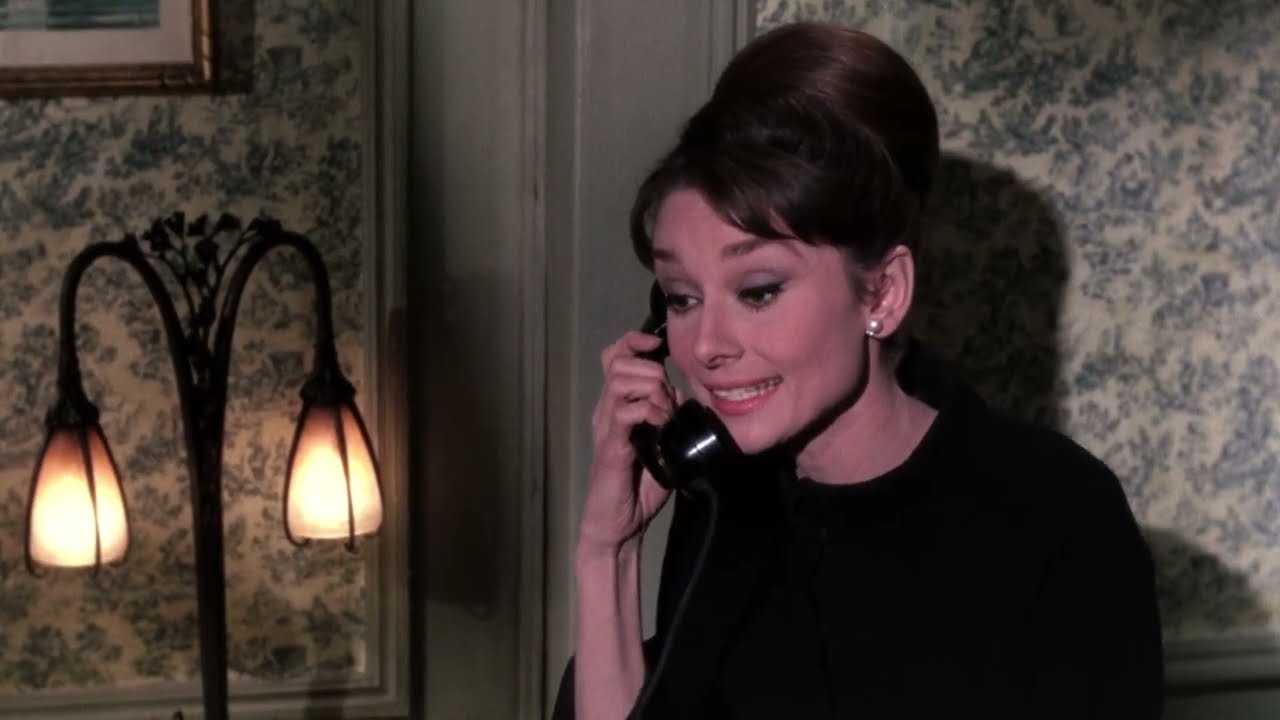 Directed by Stanley Donen, Charade is often called the best Hitchcock movie Hitchcock never made, a sleek romantic thriller set in Paris where Hepburn’s character discovers that her murdered husband may have been involved in stolen war money. As she is pursued by several dangerous men who want the fortune, she encounters the mysterious Peter Joshua, played by Cary Grant, whose shifting identities keep both Hepburn and the audience guessing. Between witty dialogue, double crosses, and a cascade of colorful Parisian locations, Charade dances between genres, part romance, part comedy, part espionage mystery.
Caine has said he adores movies that entertain with elegance, often joking that too many modern films forget how to charm their audiences. Charade, he argues, does it effortlessly, every line feels sharp, every look between Grant and Hepburn sizzles with subtle flirtation. It is the kind of film where suspense and seduction walk hand in hand, and for Caine, who came of age watching debonair leading men like Grant and Bogart, Charade represented an ideal, a reminder that sophistication could coexist with playfulness.
What impressed Caine most was the discipline behind the style.
In interviews, Caine has praised Grant as a master of control, an actor who could be funny, romantic, and heroic without ever seeming to try. Grant made every gesture appear natural and effortless, and that effortlessness, Caine believes, is one of the hardest things to achieve on camera. As for Hepburn, he admired her grace and intelligence, her presence illuminated every scene she was in.
The combination of Grant’s wit and Hepburn’s warmth was, in his view, lightning in a bottle. The movie’s tone also appealed to Caine’s instincts as a performer, in his own career he would balance seriousness with humor, 𝒹𝓇𝒶𝓂𝒶 with levity.
The sixth and final film on Caine’s list is On the Waterfront from 1954, and when Sir Michael Caine talks about the power of screen acting, one performance towers above all others, Marlon Brando in that film. To Caine, Brando represented a revolution, he once said that along with Humphrey Bogart, Brando was one of his two cinematic idols, actors who made him realize that truth on screen could be raw, wounded, and magnificent all at once. Caine has recommended On the Waterfront whenever asked which films everyone should see, describing it as the perfect example of a story that blends conscience with craft.
Elia Kazan’s 1954 𝒹𝓇𝒶𝓂𝒶 remains one of cinema’s moral landmarks, telling the story of Terry Malloy, a former boxer turned longshoreman who becomes entangled in corruption on the New Jersey docks. Haunted by guilt after witnessing a murder ordered by his mob-connected union bosses, Terry wrestles with loyalty, fear, and redemption. The screenplay by Budd Schulberg does not lecture, it lets emotion do the work, and in Brando’s hands, every hesitation, every glance toward the ground feels like the weight of the world pressing down.
His iconic line about having been a contender has echoed for 70 years because it sounds less like dialogue and more like a confession.
Caine has often said that great acting is not about showing emotion but about hiding it until the moment it cannot be hidden anymore, a belief that mirrors Brando’s approach. Watching On the Waterfront, Caine recognized a new honesty in film performance, a man stumbling toward decency rather than a hero marching toward victory. He admired how Brando transformed vulnerability into strength, redefining masculinity on screen.
Before Brando, film heroes were polished and self-assured, after him, they were human. It is no coincidence that when Caine himself became a star in the 1960s with Alfie, The Ipcress File, and Get Carter, critics described him as part of a new authentic generation.
Caine once said that Brando taught him that an actor’s job is not to perform but to exist truthfully in front of the camera, a lesson visible in the stillness of Caine’s later roles from the weary spy in The Quiet American to the professor in Educating Rita. Each carries a trace of Brando’s quiet rebellion, and even decades later, Caine speaks about On the Waterfront with reverence, calling it a lesson in truth, a performance that shows why cinema endures. To him, Brando was not acting, he was simply being, and for a young man watching in postwar London, that realization was like a door opening to a whole new world.
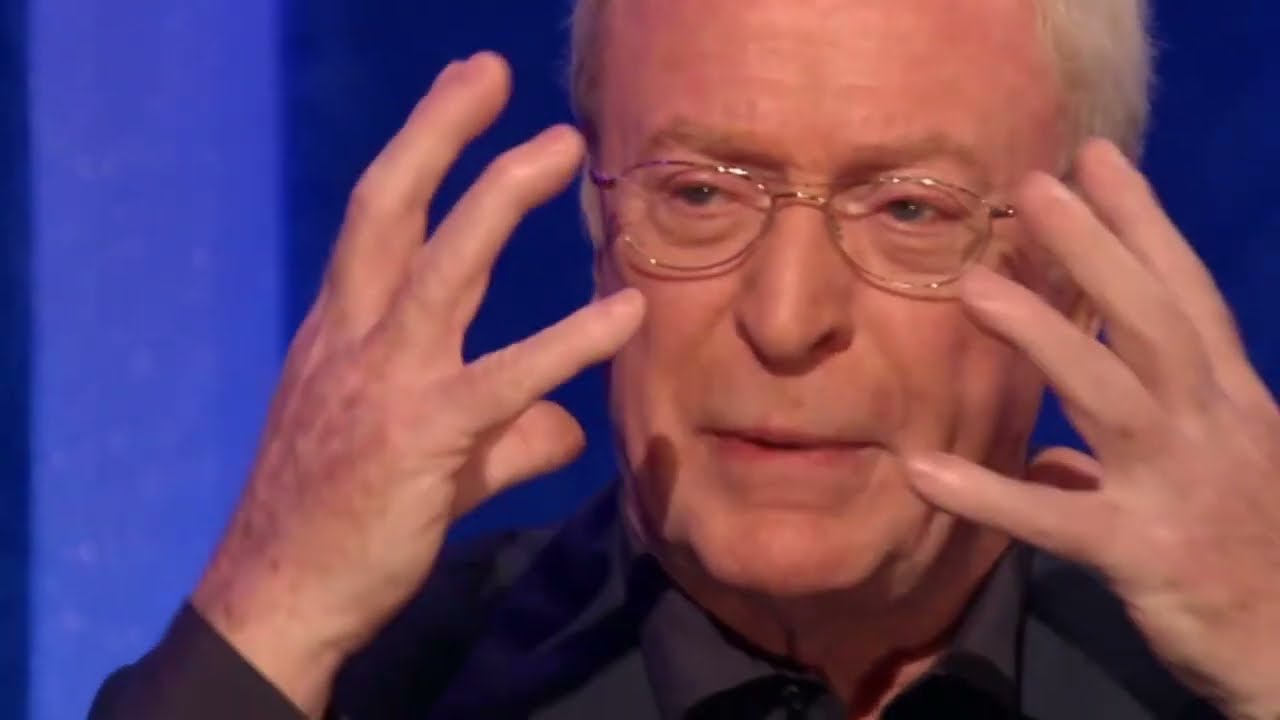 Michael Caine’s list of favorite films reads like a love letter to classic cinema, the stories, performances, and filmmakers that shaped him from a London movie-mad boy into one of the most enduring actors of all time. Each title on his list represents a different lesson in artistry and humanity, from The Maltese Falcon he learned the power of understatement, from The Treasure of the Sierra Madre the moral dangers of ambition, from Casablanca the beauty of self-sacrifice, from The Third Man the importance of atmosphere, from Charade the value of charm, and from On the Waterfront the raw power of truth. These were not just movies to him, they were road maps for living and acting.
At 92 years old, Sir Michael Caine remains sharp, charming, and deeply grateful for the films that shaped him. Unlike many stars, he has always been vocal about his influences, often talking about the movies that taught him what acting could be, films where the performances felt real, the stories timeless, and the dialogue unforgettable. From Bogart’s cool defiance to Brando’s wounded power, from witty romantic thrillers to gritty tales of redemption, his cinematic tastes reveal not just nostalgia but respect for craft.
His list offers a window into what shaped one of cinema’s last true gentlemen, a man who rose from humble beginnings to become a legend.
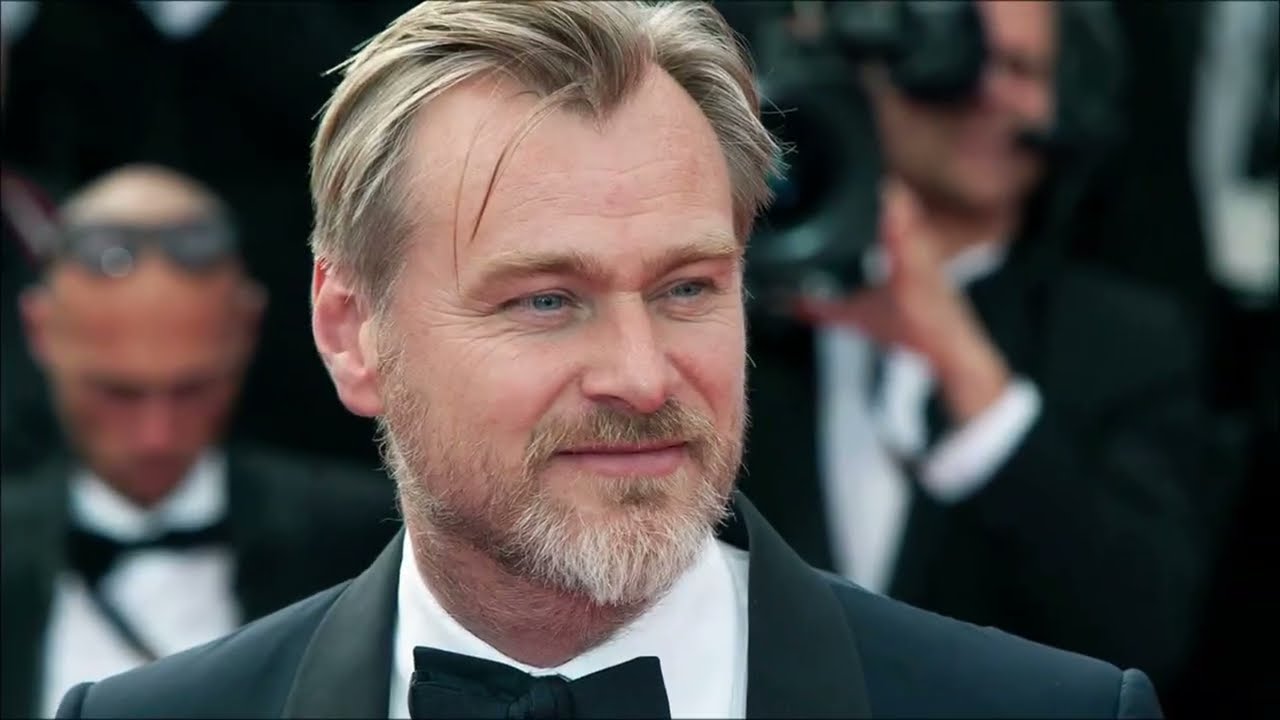
Few actors have lived a life in film as rich and varied as Sir Michael Caine, and his reflections at this stage of his life carry the weight of a man who has seen it all and done it all. He has worked with legends from John Huston and David Lean to Christopher Nolan, spanning the golden age of Hollywood to the modern blockbuster era. Even now, he continues to speak about his craft with the same passion and humility that defined his early years, a testament to the enduring power of the movies that inspired him.
His six favorite films are not just a list, they are a master class in what makes cinema great.
As the news of Caine’s list spreads through the entertainment world, fans and critics alike are revisiting these classics with renewed appreciation. The films he has chosen represent a cross-section of what many consider the greatest era of American cinema, a time when storytelling, performance, and direction combined to create works of lasting significance. Caine’s choices also reflect his own journey as an actor, each film teaching him something that he would carry into his own legendary career.
From the shadows of The Maltese Falcon to the moral depths of On the Waterfront, these movies shaped the man who would become one of Britain’s most beloved screen icons.
For those who have followed Caine’s career, his list comes as no surprise, he has always been a student of the greats, learning from the best and applying those lessons to his own work. His performances in films like Alfie, The Italian Job, and The Dark Knight trilogy all bear the influence of the actors and directors he admired most. Now, at 92, he is sharing those influences with the world, offering a glimpse into the mind of a master.
His list is a gift to cinephiles everywhere, a reminder of the power of cinema to inspire, to teach, and to transform.
The legacy of Sir Michael Caine is secure, he is one of the most respected and beloved actors in the history of film. But his list of favorite movies shows that he remains, at heart, a fan, a man who still marvels at the magic of the movies that first captured his imagination. From the streets of London to the heights of Hollywood, Caine has never forgotten where he came from or the films that made him want to be an actor.
His six favorite films are a testament to that journey, and they will undoubtedly inspire a new generation of movie lovers to discover the classics that shaped a legend.