For generations of movie fans, Donald O’Connor and Debbie Reynolds represented the magic of Hollywood’s golden age.
The unforgettable songs.
The impossible dance numbers.
The joy and energy of classic movie musicals.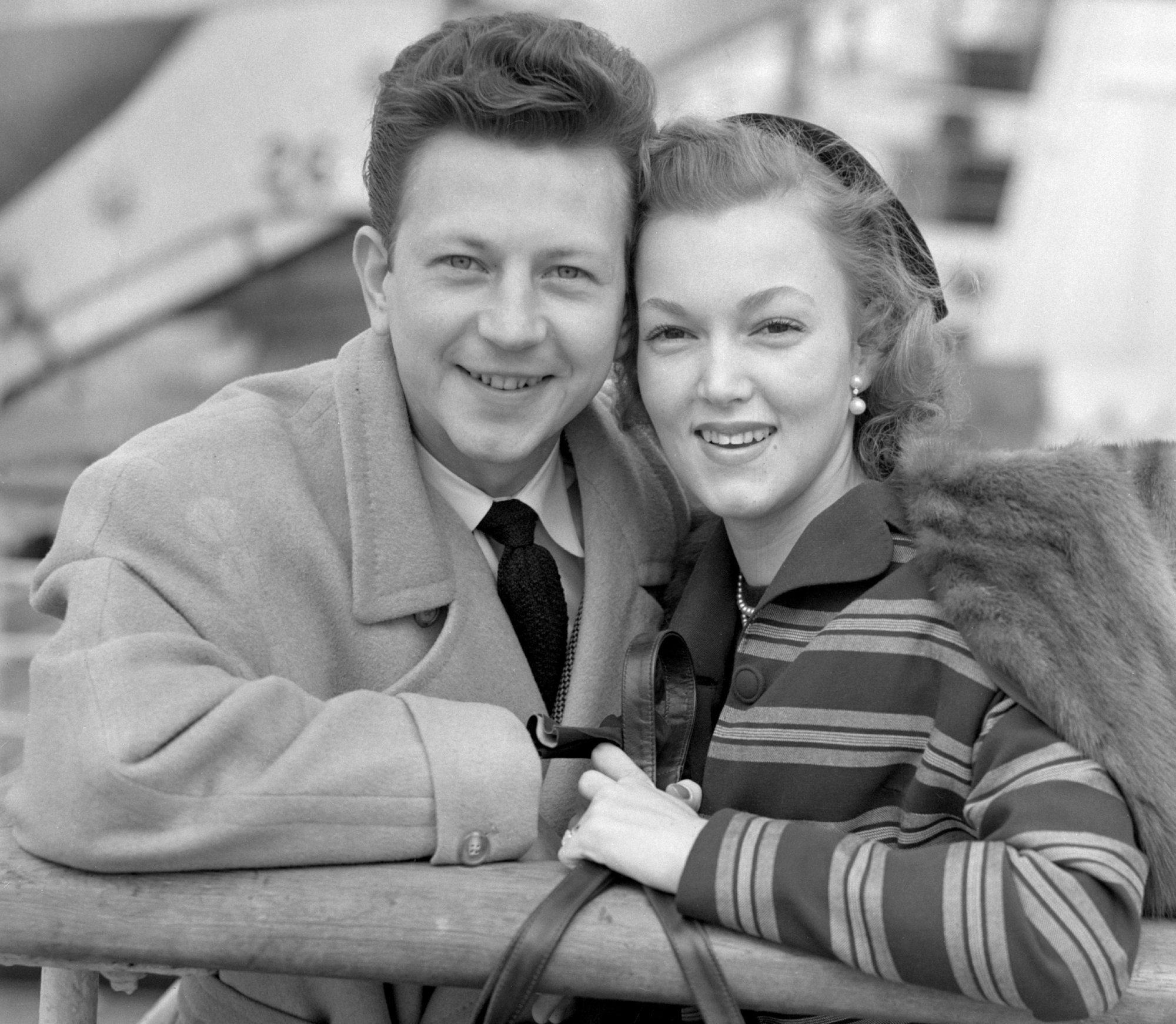
When audiences watched Singin’ in the Rain, they saw three stars creating one of cinema’s greatest moments: Gene Kelly, Donald O’Connor, and a young Debbie Reynolds becoming part of film history.
But behind the dazzling performances was a real friendship built through hard work, pressure, and decades of shared memories.
Donald O’Connor’s reflections on Debbie Reynolds revealed something deeper than simple admiration between co-stars.
He saw her as a remarkable performer.
A survivor.
And one of the most genuine people he ever knew in Hollywood.
Donald David Dixon O’Connor was born in 1925 in Chicago, Illinois, into a family where entertainment was part of everyday life.
His parents were vaudeville performers, and from a very young age, Donald was surrounded by music, comedy, and the demanding world of show business.
He grew up understanding that performing was not just about talent.
It required discipline.
Endurance.
And the ability to keep going even when life became difficult.
His childhood was marked by tragedy, including the loss of siblings at young ages. Those experiences shaped him into someone who developed incredible resilience early in life.
By the time he was only 11 years old, O’Connor had already appeared in his first film.
During the 1930s and 1940s, he became one of Universal Studios’ most dependable young performers, appearing in musicals and comedies alongside stars such as Bing Crosby and Peggy Ryan.
His charm and athletic ability helped him transition from child performer to adult entertainer.
But his greatest career achievement came in 1952.
Singin’ in the Rain.
The film became one of the greatest musicals ever created.
While Gene Kelly brought elegance and innovation to the movie, Donald O’Connor brought something completely different.
Pure comic energy.
His legendary performance of “Make ’Em Laugh” remains one of the most impressive comedy routines in film history.
The sequence required incredible physical ability—jumping, sliding, tumbling, and performing with explosive energy.
The performance was so physically demanding that O’Connor reportedly needed time to recover afterward.
But the result was unforgettable.
It proved that comedy could be just as athletic and impressive as dance.
And standing beside him during that historic moment was Debbie Reynolds.
At the time, Reynolds was still a young actress learning the demanding world of Hollywood musicals.
Unlike O’Connor, who had grown up performing, Reynolds was relatively new to that level of singing and dancing.
But O’Connor remembered something about her that impressed him deeply.
Her determination.
He often spoke about how hard she worked to become the performer audiences eventually loved.
Reynolds did not begin as a trained dancer at the level of her co-stars.
She had to catch up quickly.
And she pushed herself relentlessly.
According to O’Connor’s reflections, that dedication earned his enormous respect.
He admired that she was willing to work harder than anyone expected.
For him, Debbie Reynolds represented the true spirit of a performer.
Not someone who was simply naturally gifted.
But someone who was willing to fight for excellence.
Beyond her talent, O’Connor also remembered Reynolds’ personality.
He described her as warm, funny, and capable of bringing happiness into any room.
To him, she was not only a talented actress.
She was someone who made people around her feel better.
That quality was especially meaningful in an industry often filled with competition and pressure.
Hollywood could be demanding.
Studios could be unforgiving.
Careers could change overnight.
But Reynolds maintained a sense of humor and kindness that O’Connor never forgot.
He also admired the strength she showed throughout her personal life.
Reynolds experienced some of Hollywood’s most public heartbreaks, including her highly publicized divorce from Eddie Fisher after he left her for Elizabeth Taylor.
She also faced professional challenges and personal struggles.
Yet O’Connor noticed that she continued moving forward.
She continued performing.
She continued making people smile.
For him, that resilience revealed the person behind the glamorous image.
A woman who had faced difficult moments but refused to let them define her.
Over the years, O’Connor and Reynolds remained connected through their shared history.
Their friendship represented something special.
They were not simply actors who worked together.
They were survivors of the same era of Hollywood.
They understood the unique pressures of being performers during a time when studios controlled nearly every aspect of their lives.
They had experienced the long rehearsals.
The exhausting schedules.
The demands placed on entertainers who were expected to create magic every day.
That shared experience created a bond that lasted decades.
Donald O’Connor continued performing throughout his life, appearing on television, stage, and film.
He received numerous honors recognizing his contributions to entertainment, including career achievement awards celebrating his extraordinary body of work.
However, his later years were marked by serious health challenges.
In 1990, after decades of physically demanding performances, O’Connor underwent quadruple bypass heart surgery.
The procedure was a major reminder that even someone known for incredible energy and athletic ability was not immune to age and illness.
Years later, he faced another serious medical crisis when he developed pneumonia in 1999.
Despite these challenges, he continued showing the same determination that defined his career.
Donald O’Connor passed away on September 27, 2003, at the age of 78 due to complications from heart failure.
The world lost one of Hollywood’s most gifted entertainers.
But his legacy was never only about dance steps or comedy routines.
It was also about the kindness and respect he showed toward the people he worked with.
Especially Debbie Reynolds.
Through his memories, fans saw a different side of her—not just the movie star, but the hardworking, funny, and deeply human woman behind the fame.
Their friendship represented the best of Hollywood’s golden age.
Talent.
Dedication.
And genuine affection between artists who understood what it meant to create something unforgettable.