For decades, Cary Grant was remembered as the definition of Hollywood elegance.
The perfect suit.
The charming smile.
The effortless confidence.
He was the man who seemed to have everything: fame, wealth, admiration, and a career filled with unforgettable performances.
But behind the image of the perfect gentleman was a much more complicated story.
A man shaped by childhood pain, emotional struggles, and a lifelong search for the family and security he never had.
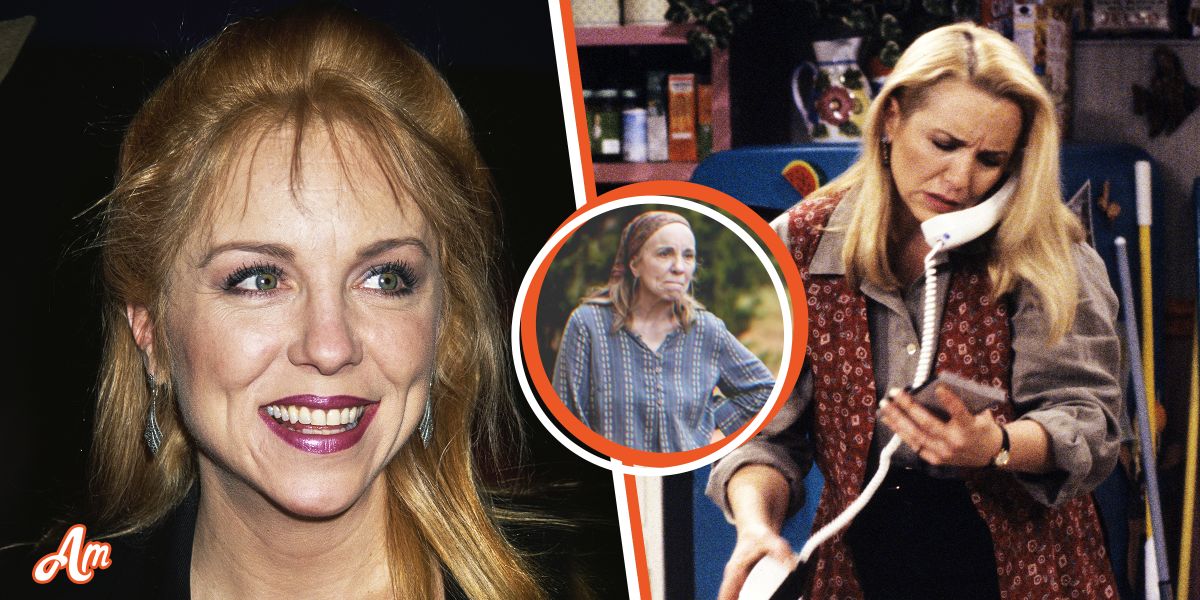
Years after his death, Cary Grant’s daughter Jennifer Grant opened up about what it was really like growing up as the only child of one of Hollywood’s greatest legends.
What she revealed was not a story of hatred.
It was a story of a complicated father who loved his daughter deeply but struggled to express himself because of the wounds he carried from his own past.
Cary Grant was born Archibald Alec Leach in 1904 in Bristol, England.
His childhood was far removed from the glamorous world he would later enter.
His family struggled financially, and his early years were shaped by hardship and uncertainty.
His father, Elias, worked as a clothing presser, while his mother Elsie dreamed of a better life but faced difficult circumstances.
As a child, Archie discovered that performing gave him something he desperately needed.
Confidence.
Escape.
A sense of belonging.
He learned piano at a young age and loved entertaining neighbors with small performances. His mother recognized his talent and saved money to buy him tap shoes, encouraging the ability that would eventually transform his life.
But behind those happy memories was a devastating childhood trauma.
When Archie was nine years old, he came home one day and discovered that his mother was gone.
His father told him she had gone away on a long vacation.
The truth was much more painful.
His mother had been placed in a mental institution.
For more than two decades, Archie believed a false story about what had happened.
The emotional impact was enormous.
He struggled at school, developed anxiety, and carried feelings of abandonment that would stay with him for much of his life.
But instead of breaking him, those experiences pushed him to create a new identity.
At 14, after leaving school, Archie began working around the Bristol Hippodrome theater.
There, he discovered the world that would eventually save him.
Show business.
He joined performer Bob Pender’s comedy troupe and began training in acrobatics, comedy, and stage performance.
The road was difficult.
His first performances were not perfect.
He faced rejection and uncertainty.
But he refused to give up.
In the 1920s, Archie traveled to America with the troupe and eventually decided to stay.
New York became the beginning of his transformation.
He worked various jobs, observed wealthy people, studied their style and manners, and slowly developed the sophisticated personality that would later become Cary Grant.
In 1931, he moved to Hollywood.
Paramount Pictures recognized his potential, but they also believed his original name did not have the right image for a movie star.
Archie Leach became Cary Grant.
The transformation was complete.
Hollywood had created one of its greatest icons.
His breakthrough came in 1933 with She Done Him Wrong alongside Mae West.
The film became a major success, and suddenly Cary Grant was no longer an unknown actor.
He was a rising star.
Throughout the 1930s and 1940s, Grant became famous for his charm, humor, and ability to move effortlessly between comedy and drama.
Films like The Awful Truth, Bringing Up Baby, His Girl Friday, and Notorious established him as one of the greatest leading men in cinema history.
He became known as the ultimate gentleman.
But privately, Cary Grant was still carrying the emotional scars of the boy who had lost his mother.
His relationships reflected that complexity.
He married five times throughout his life, with each relationship revealing different parts of the man behind the public image.
His first marriage to Virginia Cherrill ended quickly and became highly publicized.
Later marriages also faced challenges, as Grant struggled with balancing independence, fame, and emotional connection.
Then came the relationship that changed his life forever.
Fatherhood.
In 1966, Cary Grant retired from acting.
Many people were surprised because he was still one of Hollywood’s biggest stars.
But Grant had a different priority.
His daughter Jennifer.
He wanted to give her something he never had as a child.
A stable home.
A present parent.
A childhood filled with security.
For years, people viewed his decision as unusual.
Why would a man at the height of his fame walk away?
The answer was simple.
He wanted to be a father.
Jennifer Grant later described a man who was loving but complicated.
Cary was devoted to protecting her.
He wanted her to have a normal life despite being born into extraordinary circumstances.
But his own fears sometimes affected the way he raised her.
The same man who appeared completely confident to the world could be overly protective and emotionally reserved at home.
He wanted perfection because his own childhood had been filled with uncertainty.
He wanted to prevent his daughter from experiencing the pain he had experienced.
But sometimes, that desire created distance.
Jennifer’s reflections showed that Cary Grant was not a simple figure.
He was not only the charming movie star.
He was a man trying to overcome decades of emotional wounds.
A man learning how to become the father he wished he had.
Despite his struggles, his love for Jennifer was undeniable.
Their relationship became the most meaningful role of his later life.
Cary Grant passed away in 1986 at the age of 82.
By then, he had already left behind one of the greatest careers in Hollywood history.
But his daughter’s memories revealed something audiences never saw.
The man behind the tuxedo.
The person behind the smile.
The father behind the legend.
Cary Grant spent his career creating the image of the perfect gentleman.
But his real story was much more human.
He was someone who experienced loss, searched for love, made mistakes,