Rock Hudson’s tragic death revealed the dark realities behind Hollywood’s golden mask, exposing a life of hidden pain, secrecy, and identity suppression. The beloved star’s AIDS diagnosis shattered illusions, forcing an urgent reckoning with Hollywood’s relentless image control and the devastating cost of living a lie in the public eye.
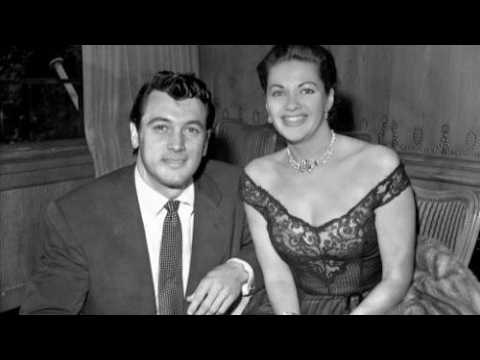
Rock Hudson, born Roy Harold Shearer Jr., was more than just a Hollywood icon; he was a man trapped by fear and silence. Behind his polished image as a confident leading man lay a deeply hidden truth—a life marked by suppression and emotional isolation from childhood, shaped by loss during the Great Depression.
Growing up in a turbulent home, young Roy quickly learned that stability could vanish without warning. His father’s departure plunged the family into struggle, leaving Roy to shield himself with silence and stoic resignation. Difficulties at school, including a stutter and constant teasing, only deepened his retreat into himself.
Movies became his sanctuary—dark theaters offering escape from judgment. Influenced by stars like Clark Gable and Gary Cooper, Roy saw in their confidence the permission to be strong and admired. But his own identity remained a secret he couldn’t voice, a dangerous truth in a judgmental era.

Hollywood seized Roy’s potential but stripped away his name and history, forging the persona of Rock Hudson. His stutter was eradicated, voice deepened, and image meticulously crafted. Uncertainty was forbidden. Vulnerability erased. Rock Hudson was sculpted into the flawless symbol of American masculinity and romance.
By the 1950s, Hudson’s star ascended rapidly. Romances and heroic roles made him a household name. Films like Magnificent Obsession and All That Heaven Allows immortalized him as the perfect Hollywood man. Yet, behind the cameras, he remained imprisoned by his own secrets, his private life carefully concealed.
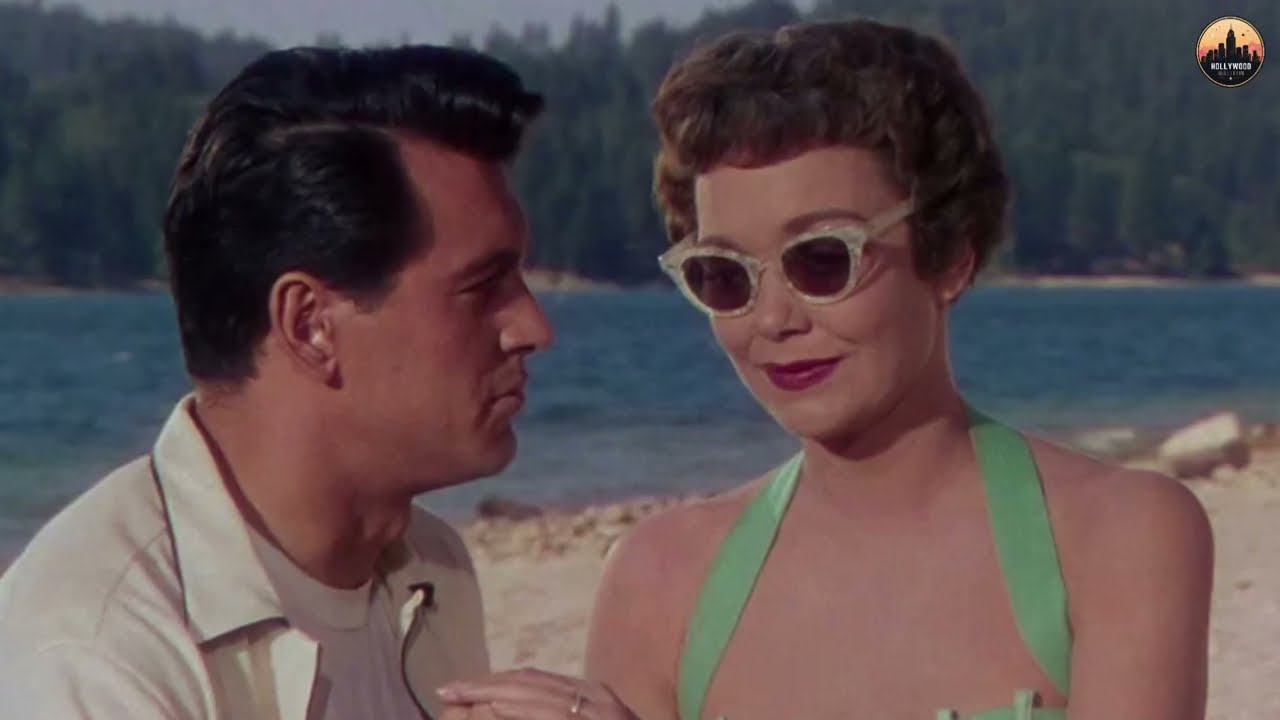
In a desperate attempt to quell rumors and public scrutiny, Hudson married his secretary, Phyllis Gates, in 1955. This strategic move was a facade sustaining an image alien to his truth. The marriage, lacking genuine love, quietly dissolved, exposing the emotional bankruptcy beneath Hollywood’s image machine.
Real intimacy was scarce but deeply cherished in Hudson’s private life. Love existed in quiet secrecy, but even that was fragile. When confronted with the possibility of marriage to his partner, he confessed his inability to utter the name, underscoring the catastrophic constraints surrounding his identity.
The 1980s brought an inevitable unfolding of truth. Hudson’s health deteriorated rapidly, and the AIDS diagnosis became public, not just a medical revelation but a cultural flashpoint. His appearance on the television series Dynasty with a famous on-screen kiss brought the epidemic into American living rooms, igniting fear and debate.
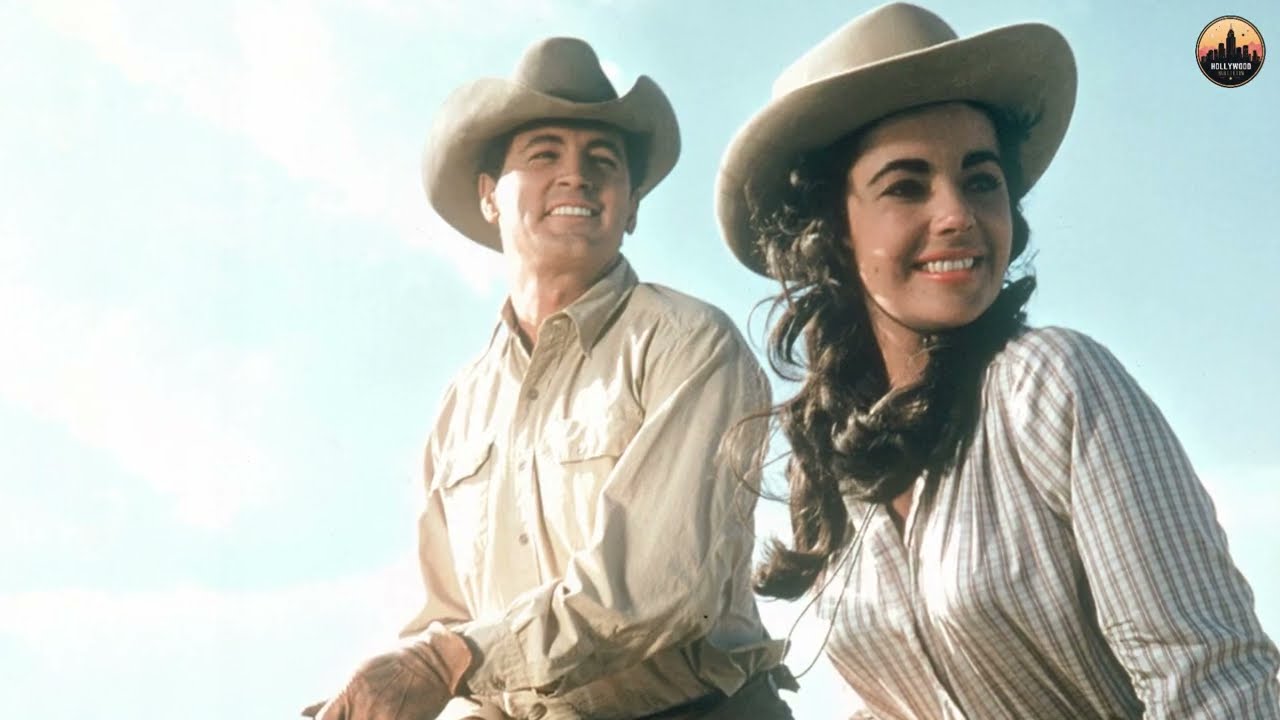
Hudson’s death on October 2, 1985, was quiet, controlled—mirroring the life he had led under relentless scrutiny and pressure. His funeral gathered a few close friends, including Elizabeth Taylor, whose grief amplified the loss of not just a star but a deeply complex man silenced by society’s demands.
The aftermath of Hudson’s passing forced a brutal reckoning in Hollywood and beyond, exposing the devastating cost of living behind a mask. It highlighted the urgent need for compassion and the horror of hidden lives lost to stigma, prejudice, and fear—an enduring legacy far beyond his legendary films.
Rock Hudson’s story remains a critical warning about the destructive power of enforced silence and the cultural necessity to embrace truth. His life and death not only reshaped conversations around AIDS but illuminated the profound human cost hidden within Hollywood’s glamorous facade.