At 70, Clifton Powell has shattered decades of silence, revealing the devastating impact of a decade-long legal battle that nearly destroyed his career, reputation, and personal life. Once a beloved figure in film and television, Powell lays bare the harsh reality of navigating Hollywood’s unforgiving court of public opinion amid a civil case that never led to criminal charges.
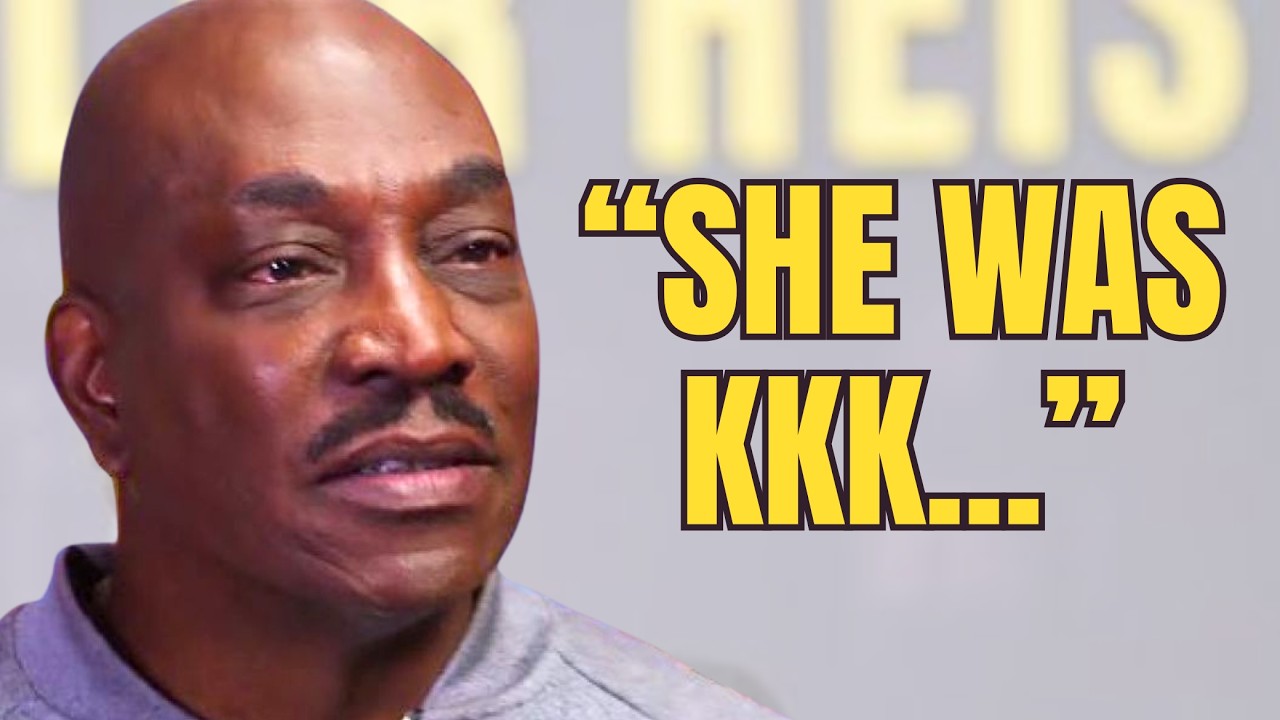
Clifton Powell’s story is one of resilience marked by misunderstood challenges behind the scenes. For over ten years, a shadowy legal fight dogged him silently, eroding roles and respect without explanation. Now, Powell speaks openly about the emotional and professional toll of that turbulent era, exposing the deeper truths Hollywood often conceals.
Born in 1956 in Washington, D.C., Powell endured early hardship with his mother’s death and a dysfunctional father. Raised mostly by a patchwork of caring adults, he credits their support for steering him away from a bleak path. Powell’s first ambition was football until a school play unexpectedly redirected him towards acting.

Starting his journey at Emerson College, Powell fought against industry discrimination. He faced racial biases—most glaringly when he left the set of Vampire in Brooklyn in protest against racist treatment. Despite such hurdles, he rose to prominence with powerful roles in films like Menace II Society and Ray, showing a rare depth beyond Hollywood’s typical casting.
Powell’s career flourished through the ’90s and 2000s with memorable parts in the Friday franchise and Rush Hour. Yet, consistent rejection and typecasting haunted him. He was repeatedly told his skin tone was a barrier for certain roles and commercial work, shedding light on the persistent, systemic colorism that even seasoned actors confront.
Behind the glamour, Powell battled private demons. Long hours, constant travel, and an unforgiving industry strained his marriage. He openly admits his gambling and absence weakened family bonds, culminating in a costly divorce that further depleted his financial and emotional reserves during his career’s most precarious phase.
The legal battle that Powell finally reveals began in 2011 when a former acquaintance accused him of misconduct. Though no criminal charges were filed and the police closed the case, a federal civil lawsuit followed, dragging on for years. A default judgment against Powell due to his lawyer’s absence compounded the damage, blindsiding the actor.
Powell describes the ordeal as an unrelenting sentence imposed without a judge’s verdict. Roles evaporated overnight, reputation tarnished by rumors and headlines that outran facts. He recounts constant suspicion from strangers and industry insiders alike, a punishment that hollowed his career and threatened his very identity in Hollywood’s fierce spotlight.
At his lowest, Powell suffered homelessness—a painful revelation shining a harsh light on the industry’s neglect. But his refusal to give up and slow climb back to steady work exemplify his enduring spirit. Powell persevered, one project at a time, choosing to channel his experience into mentoring younger actors facing similar systemic challenges.
Today, Powell balances his career’s longevity with advocacy against the biases he endured. His work with Tyler Perry emphasized inclusivity and respect, providing a rare haven where Powell’s versatility was embraced rather than confined. This environment highlights what many actors miss—a producer who understands the intersection of talent and cultural nuance.
Powell’s frank acknowledgment of colorism and its quiet persistence sends a powerful message to Hollywood and audiences alike. He urges openness about the realities black actors face, including the precariousness of reputation and the devastating effect of stigma that isn’t always backed by legal rulings. His candidness is a call to action against silent biases.
Despite setbacks, Powell’s legacy is vast—over 200 credits and countless iconic roles engraved in cinematic history. With an estimated net worth of $5 million, his story is not just of loss but remarkable endurance. Fans have rallied around him, their unwavering support underscoring a demand for fairness and respect in the industry.
Clifton Powell’s revelations crack open the dialogue on race, justice, and the unforgiving nature of public scrutiny in Hollywood. His experience forces the entertainment world to confront uncomfortable truths—how quickly accusations can derail careers, and how little protection exists for black actors 𝒄𝒂𝓊𝓰𝒉𝓉 in the crossfire of perception and prejudice.
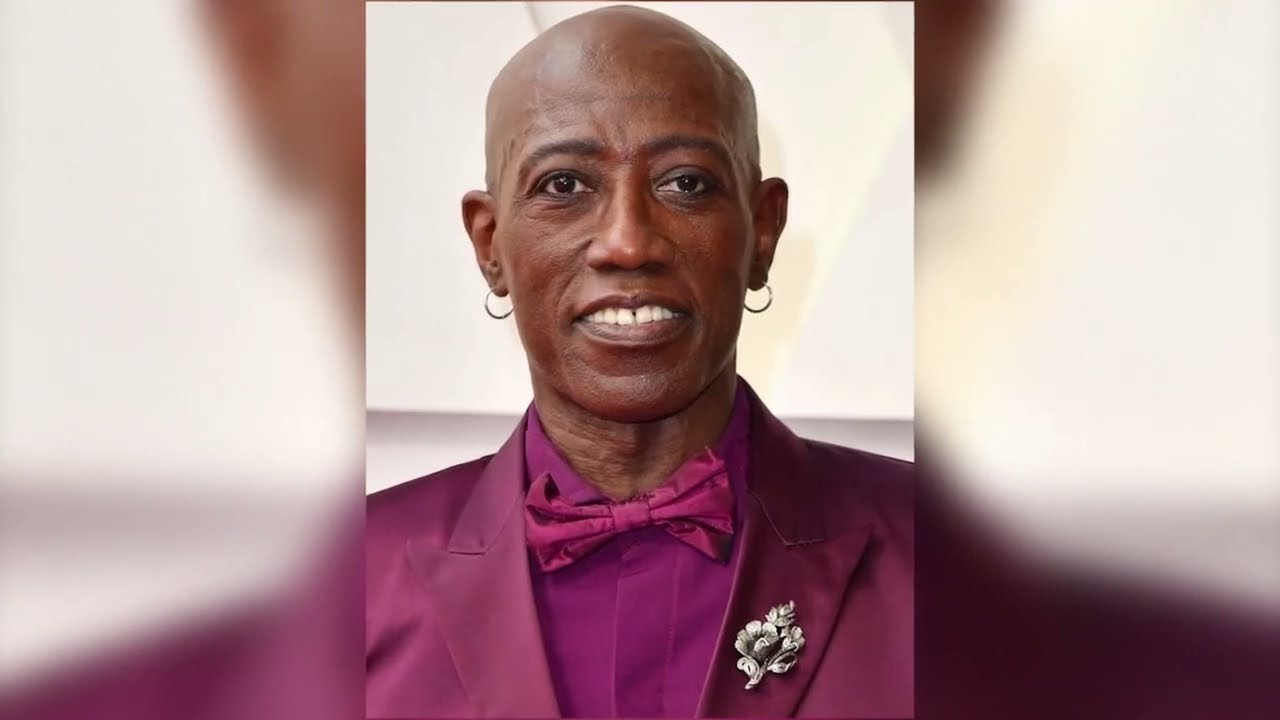
This story is not just about a single man’s fight; it is a mirror held up to an industry grappling with deep-rooted inequities. Clifton Powell’s courage in sharing his full story sets a precedent, championing transparency and resilience for the next generation of performers navigating the complex terrain of fame, race, and reputation.
As Powell continues to work and speak out, he transforms from victim to mentor, embodying the very support that once saved him. His ongoing presence in film and television affirms that talent and determination can withstand even the harshest trials, though the scars remain a solemn reminder of what too many endure in silence.
The entertainment community and audiences worldwide now face crucial questions: How can the industry better safeguard artists against premature judgment? Why does colorism persist beneath the surface of progress? And most urgently, how do we uphold justice and humanity in an environment fueled by perception over fact?
Clifton Powell’s bold confession detonates a long-overdue conversation. His story is a piercing indictment of Hollywood’s opaque mechanisms and the harsh realities black actors endure far beyond the script. This is a watershed moment demanding accountability, empathy, and a reckoning with the systems that enable such silent punishments.
His fans, many heartbroken by the years of unseen strain, express unwavering loyalty. Online communities amplify his voice, questioning the unequal standards black actors face. Powell’s narrative exposes the cruel speed at which public opinion convicts—often faster and harsher than the courts, spotlighting systemic racial disparities embedded in entertainment culture.
Powell’s decades-long career, marked by iconic performances and relentless professionalism, stands testament to his craft and character. Yet his revelation underscores a sobering truth: talent alone isn’t enough in an industry fraught with racial bias and quick judgments. Survival demands grit, allies, and sometimes, sheer defiance against injustice.
This unprecedented disclosure by Clifton Powell is a clarion call. It demands that Hollywood reflect deeply on its practices, prioritize due process, and confront the color biases that sabotage careers and lives. It forces a reckoning with how narratives are shaped and how reputations can be irreparably harmed before the truth emerges.
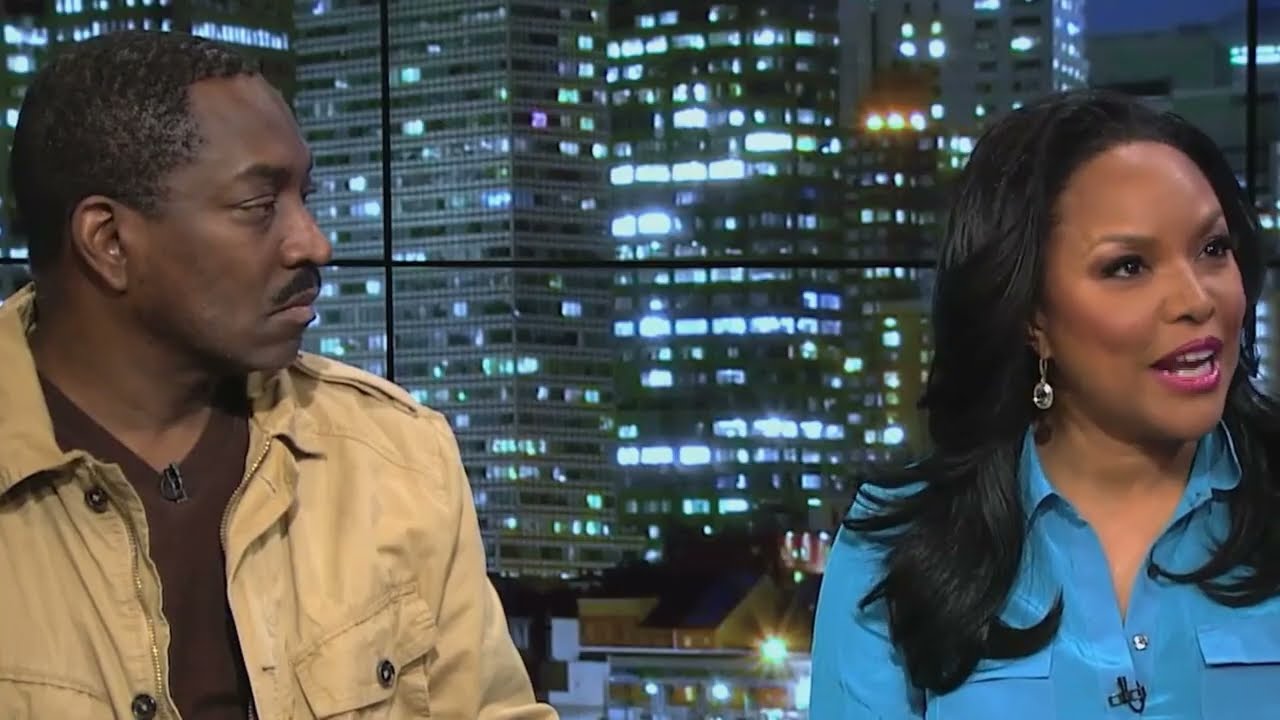
Powell’s courage opens doors for other actors silenced by fear or stigma. His transparency about the grinding challenges of colorism, legal battles, and personal recovery paints a raw, unfiltered picture of life as a prominent black actor in America’s most scrutinizing industry. His voice is a vital addition to the fight for equity.
As the conversation unfolds, audiences, industry insiders, and advocates must heed Powell’s experience. His story crystallizes the intersection of race, justice, and ambition in Hollywood—a confluence too often fraught with betrayal, misunderstanding, and lost potential. It is only through such honest reckoning that meaningful change can follow.
Clifton Powell’s story is far from over. With new roles and ongoing mentorship, he reclaims his narrative on his own terms. His candid revelations dismantle misconceptions and invite empathy, reminding us all that behind every headline lies a complex human journey shadowed by societal and systemic challenges yet illuminated by resilience.
This is breaking news transforming celebrity culture into a platform for truth and justice. Clifton Powell’s voice, long muted by circumstance, now rings loud and clear, challenging Hollywood and the world to do better—for him, for the generations behind him, and for anyone whose story demands to be told with fairness and respect.


