George “Spanky” McFarland, iconic child star of the legendary Our Gang series, struggled profoundly after the show’s end, his life marked by hardship and identity loss. The beloved 1930s figure, whose charm defined a generation, was never the same once the spotlight faded, facing emotional turmoil and Hollywood’s relentless typecasting.
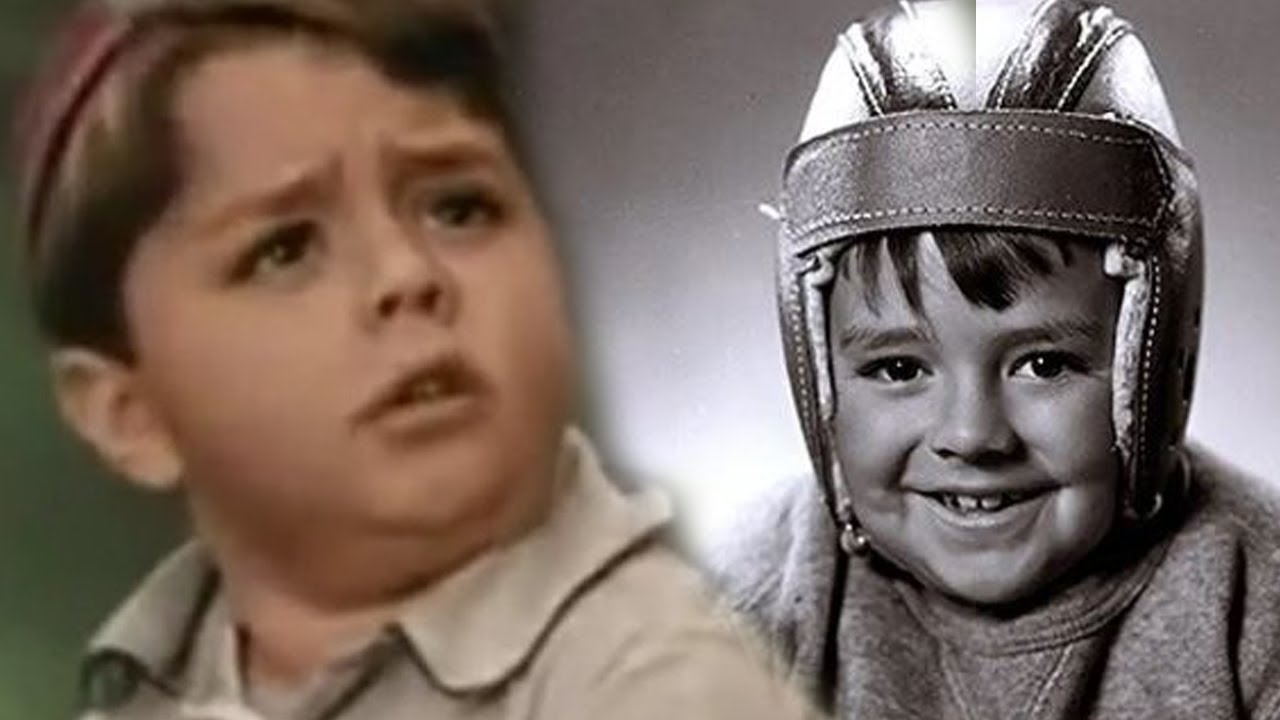
Born in Dallas, Texas, in 1928, McFarland became a household name as Spanky, the endearing leader of The Little Rascals. His early fame catapulted him into stardom at just three years old, capturing audiences with his quick wit and cheeky humor. This rapid ascendancy, however, set the stage for challenges once the cameras stopped rolling.
Our Gang’s success was unprecedented, featuring an integrated cast during an era rife with segregation, and McFarland’s chemistry with co-stars broke racial stereotypes. His performances delivered unforgettable humor and warmth, embedding him in the hearts of millions. The charm of those timeless shorts remains influential in early American cinema.

Yet, when Our Gang concluded in 1944, the industry’s embrace quickly turned cold. McFarland was trapped by the public memory of Spanky’s precocious childhood persona. Growth into adolescence offered little relief; Hollywood’s doors to new roles stayed firmly shut, leaving him isolated and typecast.
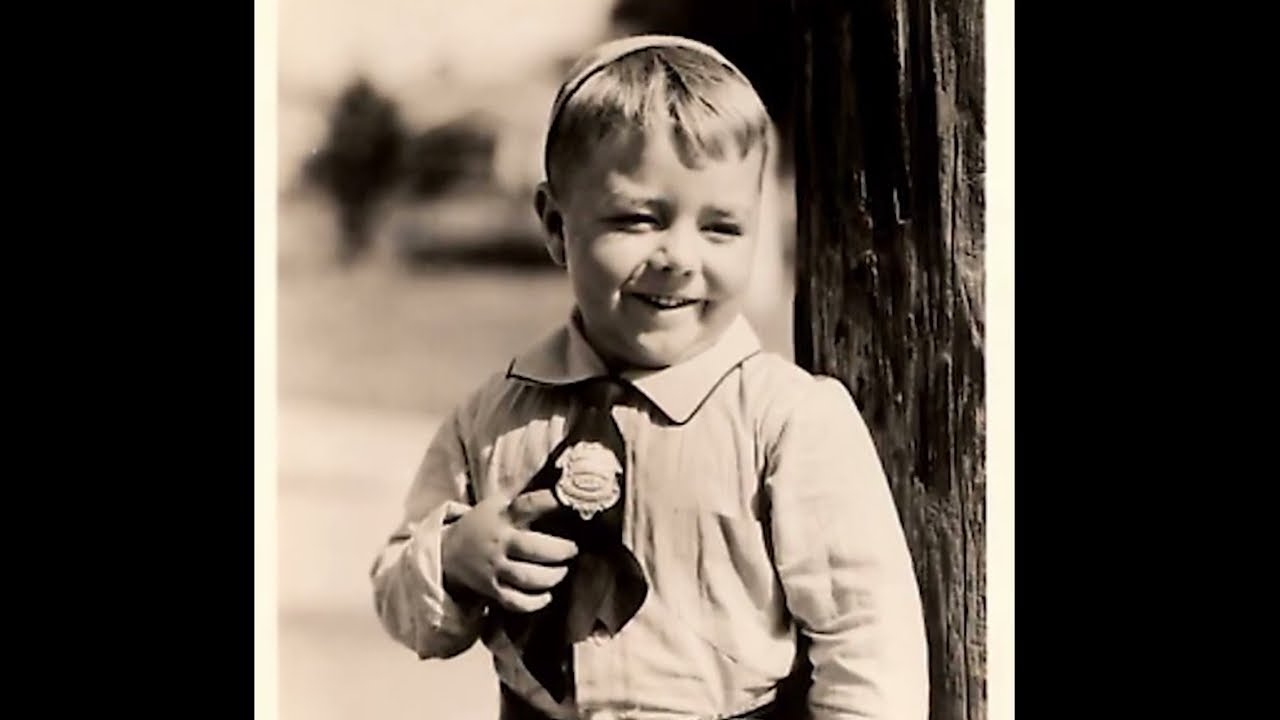
Transitioning from adored child star to adult was brutal. Attempts to forge a new path met frustration and rejection. McFarland took on various jobs, from sales to nightclub greeter, distant from the fame and applause he once knew. This jarring lifestyle shift sparked deep personal turmoil.
Mental health battles shadowed his post-fame years. Depression and feelings of inadequacy haunted the once-celebrated actor who grappled with his identity beyond Spanky. These struggles reflected the darker side of child stardom—a stark contrast to the laughter he once inspired on screen.
In the 1970s and 80s, McFarland cautiously reconnected with his legacy, engaging in fan conventions and interviews. Nostalgia for classic Hollywood rekindled his presence in public memory, allowing him a bittersweet reconciliation with his past. He embraced the role that defined him, even as it limited his future.

Though never breaking free from his childhood shadow, McFarland found peace in celebrating his contributions, recognizing his unique place in cinematic history. His openness about the harsh realities of child stardom shed light on Hollywood’s often unforgiving nature behind the scenes.
Spanky remained a cherished figure among loyal fans, reminding them of a simpler time through his infectious grin and timeless performances. His life story reflects resilience amid the fleeting nature of fame and the enduring power of nostalgia in popular culture.
George Spanky McFarland passed away on June 30, 1993, aged 64, leaving behind a legacy marked by joy and struggle. His influence on American entertainment endures, symbolizing both the innocence of childhood and the complex burden of early celebrity, forever etched in film history.