John Belushi’s tumultuous relationship with Chevy Chase is a tale of envy, rivalry, and emotional turmoil that unfolded on one of television’s most iconic stages. As Belushi watched Chase rise to fame, the resentment festered, leading to a deep-seated animosity that would shape their time on “Saturday Night Live.”
Belushi, a powerhouse of talent, understood the harsh realities of the entertainment industry. He had experienced the ups and downs firsthand, realizing that sheer talent and hard work don’t always guarantee recognition. This realization hit home as he stood alongside Chase, who quickly became the show’s breakout star.
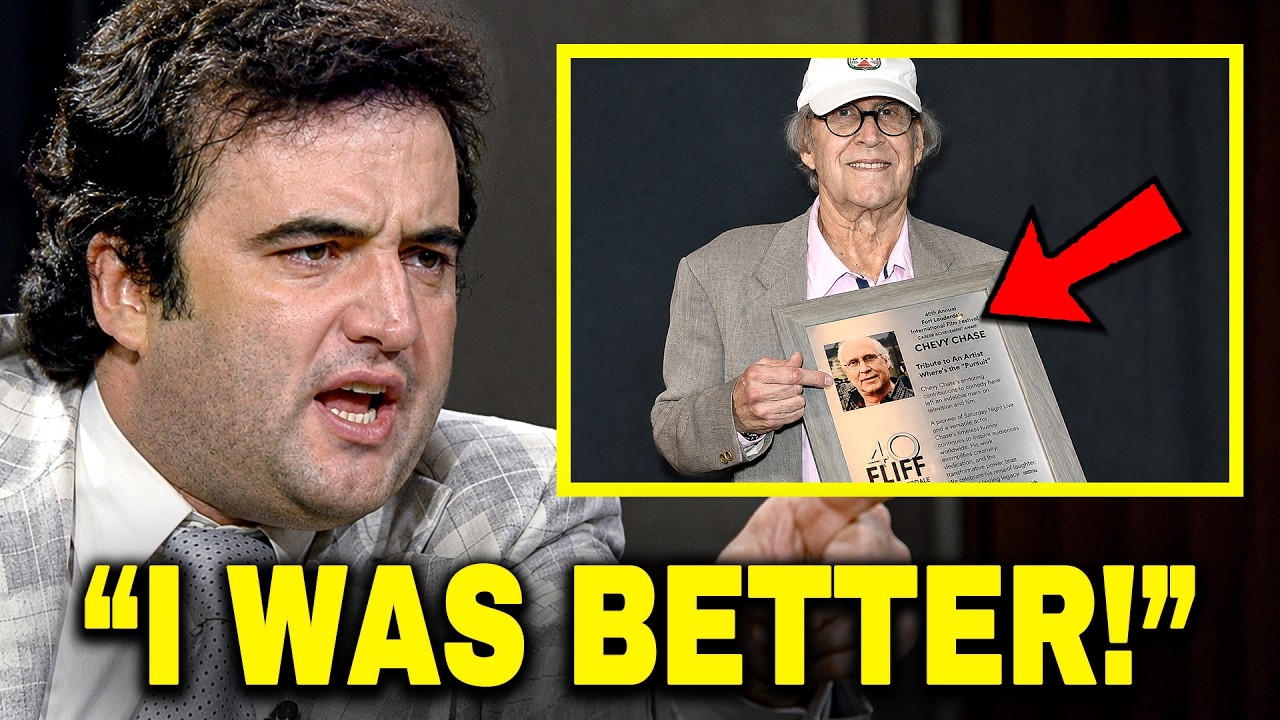 The contrast between their rising careers was stark, and Belushi’s frustration grew as he felt overshadowed by Chase’s success.
Growing up in a working-class family, Belushi had always fought for his place in the comedy world. He was a high school football captain and a talented performer, yet he found himself in the shadow of Chase, who hailed from a more privileged background. Reports suggest that Chase’s humor often crossed the line into cruelty, with Belushi becoming a frequent target of his jabs.
The constant mockery, particularly about Belushi’s weight and background, only deepened the divide between them.
As Chase basked in the limelight, Belushi’s resentment transformed into a fierce rivalry. He had already made a name for himself in the comedy scene, with a rich history of performances and accolades. Yet, it seemed like the spotlight was always just out of reach.
The imbalance in recognition became unbearable for Belushi, who believed he deserved more than he was getting.
 When Chase departed “Saturday Night Live” after its second season, he continued to return as a guest host, often claiming that the show lacked the same spark without him. This only fueled Belushi’s disdain. To him, Chase’s arrogance was a slap in the face, and he felt that the wrong person had emerged as the star of the show.
Despite their shared comedic talents, the dynamic between them was fraught with tension. Belushi’s frustration stemmed not just from professional jealousy, but from a profound sense of injustice. He had poured his heart into his craft, yet it felt like Chase was reaping the rewards without the same level of effort.
 As their careers progressed, the chasm between them widened, with Belushi’s struggles becoming more apparent. Behind the scenes, his battles with addiction were intensifying, complicating his already fraught relationship with Chase. While Chase thrived, Belushi faced demons that would ultimately lead to his tragic downfall.
In the wake of Belushi’s untimely death, the narrative surrounding their rivalry shifted. Chase’s reputation took a hit as stories of his behavior circulated, painting him in a less favorable light. The entertainment world was left to grapple with the legacy of two comedic giants whose paths had crossed in a complex and often painful way.
As we reflect on their tumultuous relationship, one question lingers: How did this rivalry shape the landscape of comedy, and what lessons can we learn from their contrasting journeys?