The final performance of Barbara Stanwyck’s life was not on a soundstage but inside a hospital room where she signed a written order barring her only son from entering. Dion Anthony Fay, the child she adopted to save a crumbling marriage, died in 2006 at age 74 without a single obituary from the industry that made his mother Hollywood’s highest-paid woman. This is the story of a son erased by design, a mother who perfected the art of abandonment, and the five-decade campaign to make a human being invisible.
The adoption in December 1932 was never about love. Barbara Stanwyck and her first husband, comedian Frank Fay, were spiraling. She was rising.
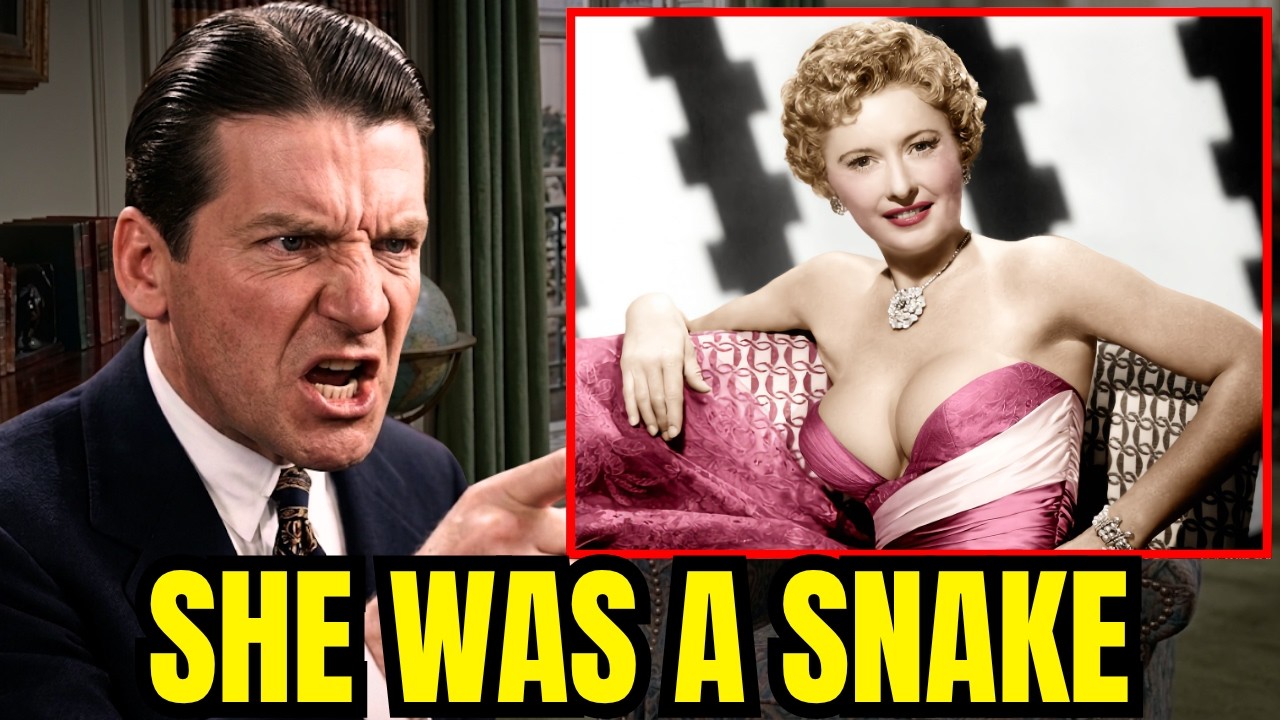 He was drinking. Their marriage was a public relations crisis. So the studio machinery produced a solution.
A 10-month-old boy named John Charles Green was placed in their arms. The cameras arrived within days. Barbara smiled, holding the infant.
The photographs ran in three national magazines. The couple appeared happy, complete. When the photographers left, the baby was handed to a nurse.
Stanwyck did not want a son. She needed a better headline. The child was a prop.
He was 10 months old.
Three years later, Frank Fay’s drunken rage escalated. He picked up the toddler Dion and threw him into the backyard swimming pool. Barbara pulled him out.
She filed for divorce and won sole custody. In the press, she was the protective mother. But custody is a legal designation, not an emotional commitment.
Winning the right to raise a child and actually raising him are entirely separate things. She was about to demonstrate that distinction in the most damaging way possible.
By 1944, Dion was 12 years old. He was injured at a summer camp. The injury required hospitalization.
The camp directors contacted Stanwyck’s household. Her secretary answered. The secretary called back.
Barbara Stanwyck did not come. The person who sat beside Dion’s hospital bed was his uncle, Buck Mack. Not his mother.
 His uncle. That same year, she was the highest-paid woman in America, earning $323,333 annually, equivalent to about $6 million today. She was not available for the hospital visit.
In 1947, when Dion was 15, Barbara and her second husband Robert Taylor sat across from him. They told him arrangements had been made. He would attend a military school in Indiana.
That was the last time Dion Anthony Fay lived under his mother’s roof.
The pattern from that point forward is one of systematic erasure. She cut off all contact when he became an adult. A mutual relative arranged a lunch between mother and son when he was 20 years old.
He dressed carefully. He had prepared things to say. The meal was quiet, formal, polite in the way strangers are polite at a business dinner.
Dion described it himself later: “Politely as a stranger, I asked about her career. As politely and distantly as a movie queen, she answered and inquired how I had been.” He knew immediately nothing had changed.
That lunch was the last time he looked at his mother’s face.
Sometime after, he called his uncle to ask if he might be able to visit. His uncle told him directly. He said to forget that Barbara Stanwyck was his mother.
He said, “She wants nothing to do with you.”
Barbara Stanwyck’s own explanation, offered in an interview years later: “Some children are born with bad blood, like horses. When a parent has done everything possible, the only solution is to save yourself.” Save yourself.
 Her father had said something functionally identical when he left for the Panama Canal in 1911. The orphan-making system that processed Ruby Stevens operated on exactly the same logic. Everyone ultimately saves themselves, and the children are collateral.
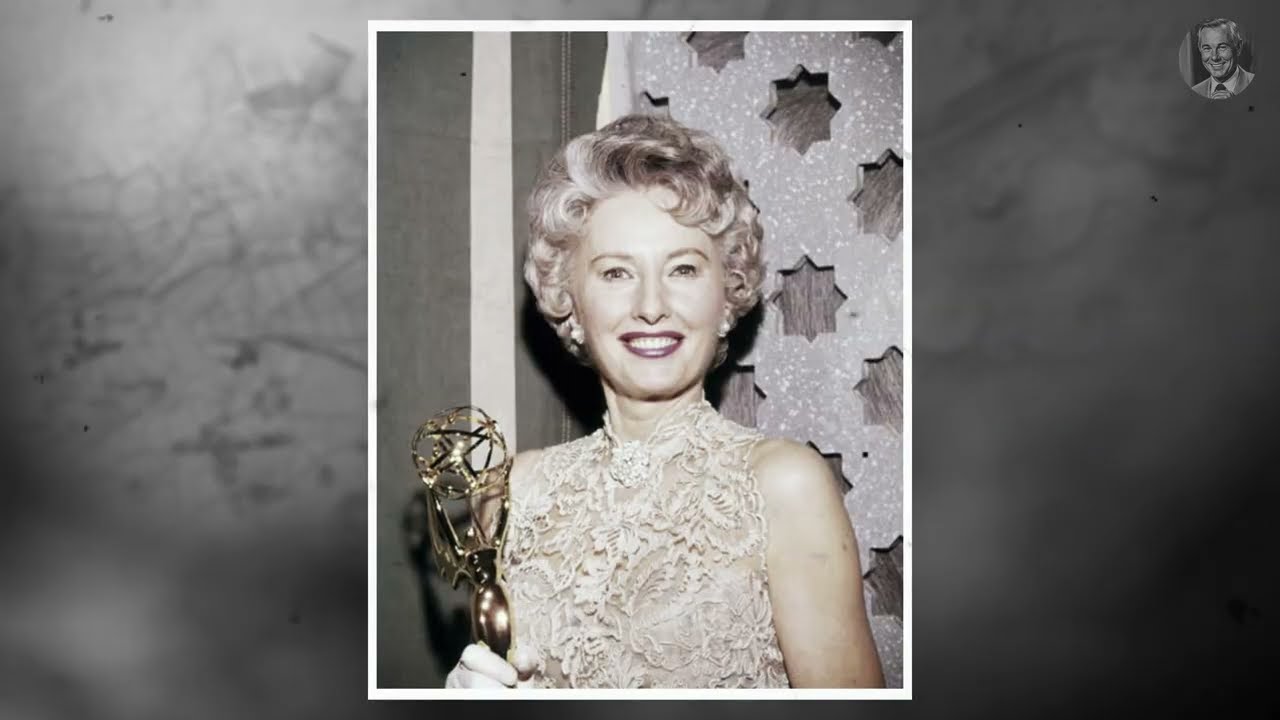
During these same years, Stanwyck played Victoria Barkley on The Big Valley, the iron-willed matriarch of a California ranching dynasty. The show ran four seasons. She won three Emmy Awards.
The audience loved her. Meanwhile, Dion was arrested twice, once in 1957 and once in 1960, on charges related to selling obscene materials. He worked irregular jobs.
He lived on the margins. When press photographers connected him to his famous mother, his answer was always the same two words: “We don’t speak.”
In 1990, Barbara Stanwyck died at age 82. She had requested no funeral, no memorial service. She got what she asked for.
When her will was read, it included donations to industry charities, gifts to staff members, and distributions to nieces and nephews. For Dion Anthony Fay, her only child, the will contained a single entry: $5,000. Conditional on his continued public silence about her.
Five thousand dollars in a will that distributed millions. She purchased his silence one final time.
And before she signed that will, she had done one more thing. She gave written instructions to the people around her that if Dion attempted to visit her in her final days, he was not to be admitted. The door that had been quietly closing since 1947 was now officially, permanently shut.
Not by death, but by a document. She made sure of it.
Dion Anthony Fay died on May 17, 2006, in Van Nuys, Los Angeles County. He was 74 years old. No major entertainment outlet published an obituary.
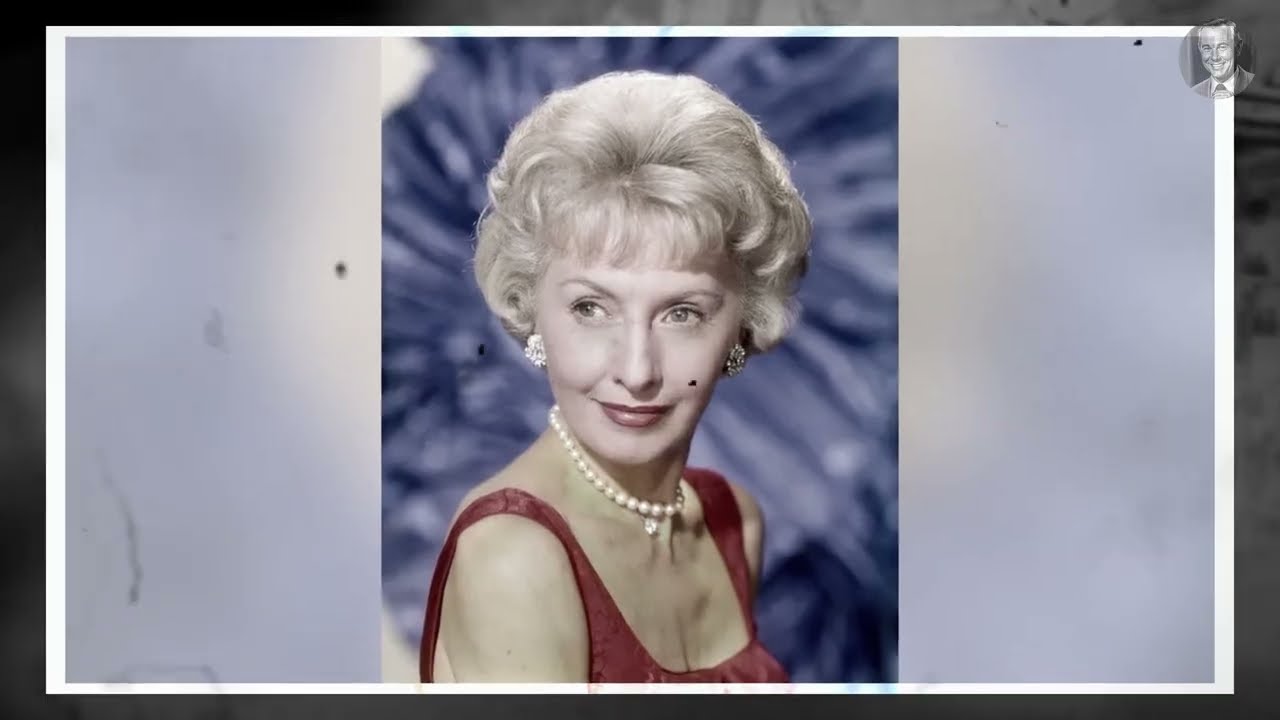 His name does not appear in standard Hollywood biographical databases. There are no tributes on record. He was survived by at least one child, a grandchild Barbara Stanwyck never met from a wedding she did not attend.
The son of the highest-paid woman in America spent his final decades in anonymity, managing motels, living quietly in the San Fernando Valley, 20 miles from the studios that had made his mother immortal.
The film critic Richard Corliss once wrote a single sentence about this relationship. “The child resembled her in exactly one respect. Both of them were, effectively, orphans.”
It is the right word. Stanwyck was orphaned at four by forces beyond her control. A drunk stranger, a father who broke.
Dion was orphaned at 15 by a deliberate choice made by someone with every option available and every resource to do otherwise.
There is a version of this story where Barbara Stanwyck’s history earns her some clemency. She was formed by abandonment. She was constrained by a system that made authenticity professionally fatal.
She operated inside a machinery that consumed people and called it entertainment. All of that is true. But none of it rewrites what happened when she sat across from a 20-year-old boy at a lunch arranged by a relative, looked at him with the same emotional distance she gave to strangers, and made the decision, conscious, deliberate, repeated, to choose the empire over the person.
Ruby Stevens was four years old when someone decided she was not worth staying for. She learned from that. She passed it on.
The films remain. The image remains. The Emmy Awards, the honorary Oscar, the magazine covers, and the critical tributes remain.
And they are not wrong. She was extraordinary at what she did. But in the one role no acting class can prepare you for, no director can rewrite, and no studio can reframe, she played the scene exactly as she had seen it played in Brooklyn, in the rain, when she was four years old.
She left. And she did not come back.