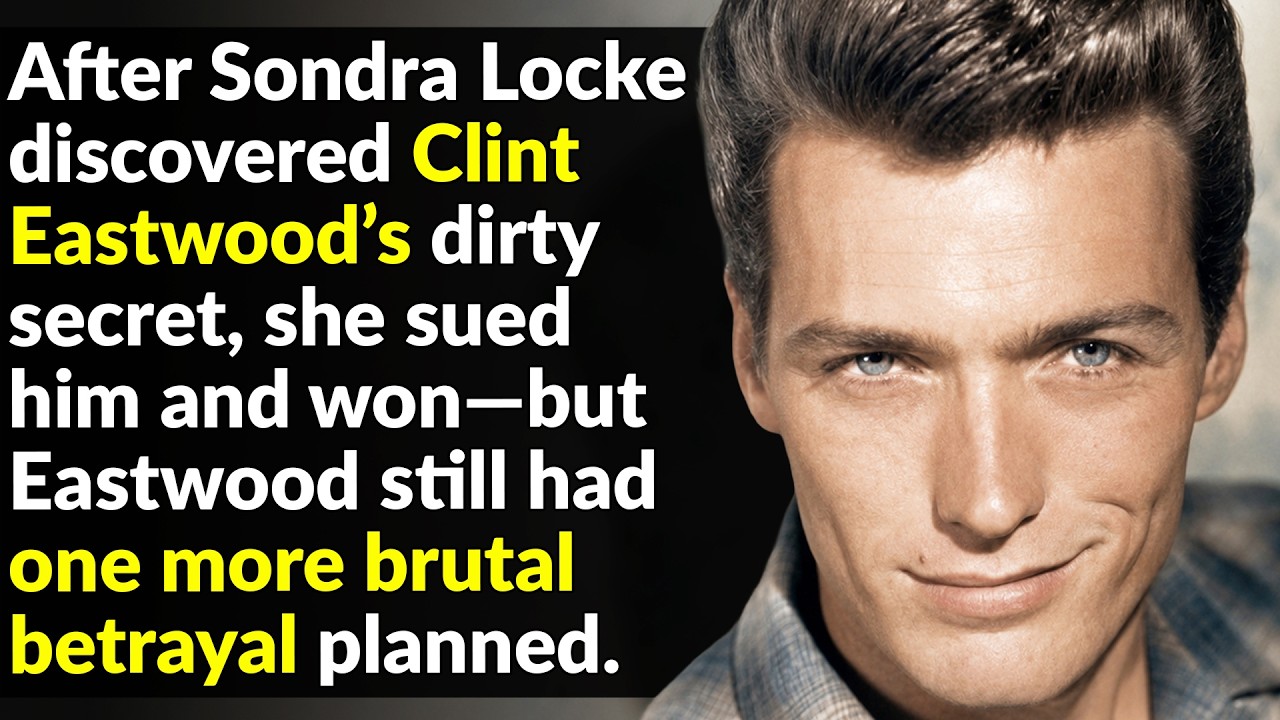
Clint Eastwood, the iconic Hollywood actor and filmmaker whose career spans decades, has been accused of orchestrating a brutal betrayal against his longtime partner Sondra Locke, a relationship that ended in a bitter legal battle and allegations of sabotage that left Locke devastated both personally and professionally.
The story of Eastwood and Locke is one of passion, manipulation, and ultimately, a calculated cruelty that has remained largely hidden behind the glamour of Tinseltown. Locke, a talented actress and one of the few female directors in Hollywood at the time, believed she had found a soulmate in Eastwood. Instead, she discovered a pattern of deceit and control that would culminate in one of the most infamous breakups in show business history.
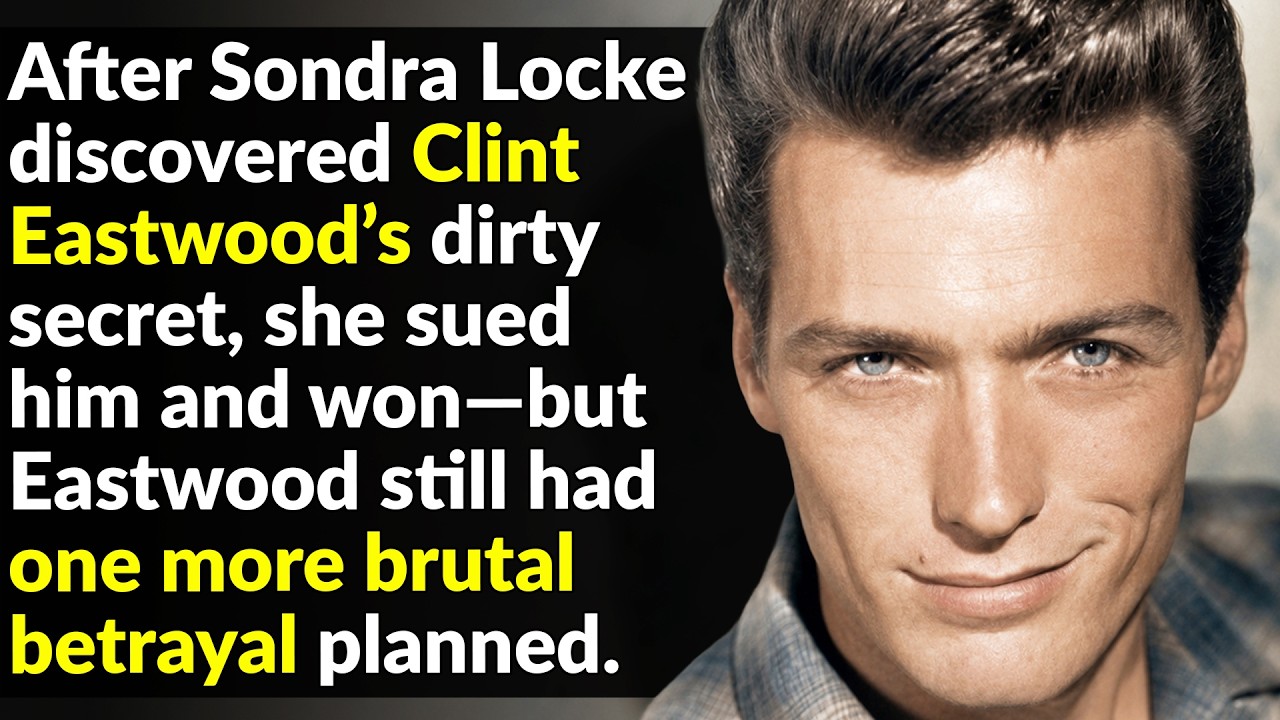 Locke first met Eastwood in the early 1970s, when she was a rising star and he was already a household name. Their affair began while Eastwood was still married to his first wife, Maggie Johnson, and it quickly became the central relationship in his life. Eastwood told Locke that his marriage was over in all but name, and she believed him.
For years, they lived together, and Eastwood even bought a house for Locke’s gay husband, Gordon Anderson, to maintain the facade of a conventional marriage.
But behind the scenes, Eastwood was never faithful. Even as he professed his love for Locke, he maintained several other relationships, a pattern that would continue throughout his life. Friends and colleagues noted that Eastwood seemed utterly devoted to Locke for a time, but his definition of devotion was far from conventional.
The cracks in their relationship began to show after Eastwood’s divorce from Johnson in 1978, which cost him a reported 25 to 30 million dollars. Eastwood wanted to marry Locke, but she hesitated. She had seen his wandering eye and feared that a legal marriage would only give him more power over her.
She refused to divorce Anderson, and Eastwood grew increasingly frustrated.
 By 1989, Locke had finally had enough. She ended their 14-year relationship, believing that since they had never married, she could walk away cleanly. But Eastwood had other plans.
While Locke was away filming her second directorial effort, “Impulse,” Eastwood changed the locks on their shared home and moved all of her belongings into storage. It was a cold, calculated move that left Locke reeling.
Locke responded by suing Eastwood for palimony, seeking financial support for the years she had devoted to him. The legal battle was brutal. Eastwood’s lawyers described Locke as nothing more than a part-time roommate, a characterization that was both humiliating and legally damaging.
The case dragged on for over a year, and during that time, Locke received devastating news: she had breast cancer.
 The diagnosis sapped her will to fight. She agreed to a settlement that included a lump sum payment, monthly support, and a directing deal at Warner Brothers. It seemed like a fair resolution, but it was far from the end of the story.
The directing deal turned out to be a dud. Locke was given projects that went nowhere, and many in Hollywood speculated that Eastwood had sabotaged the arrangement behind the scenes, ensuring that she would never succeed as a director.
Locke’s career never recovered. She directed only a few more films before fading from the industry. In her 1997 autobiography, “The Good, the Bad, and the Very Ugly,” she detailed the emotional and professional toll of her relationship with Eastwood, painting a picture of a man who was charming, controlling, and ultimately destructive.
Eastwood, meanwhile, moved on quickly. He began a relationship with actress Frances Fisher in 1990, while still legally entangled with Locke. Fisher later said that she felt she had found “the big one,” only to realize that every woman in Eastwood’s life likely felt the same way.
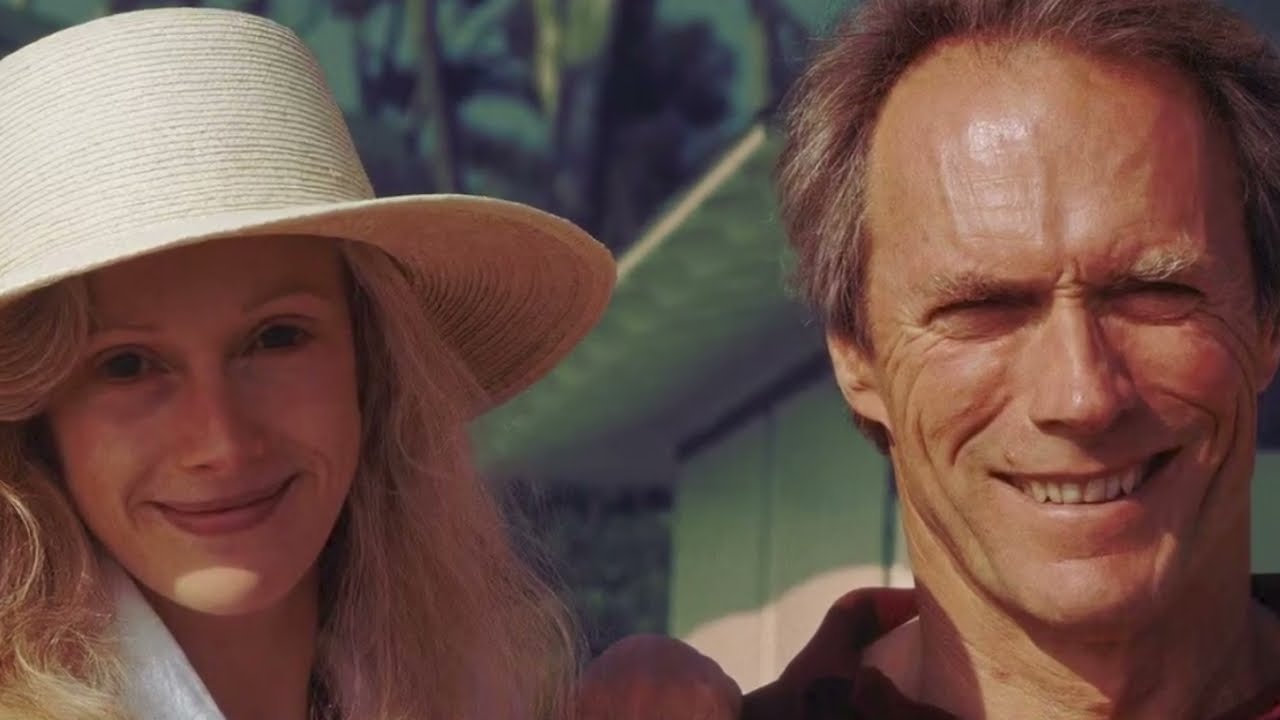 Eastwood and Fisher had a daughter, Francesca, but the relationship ended after five years.
True to form, Eastwood had already started dating Dina Ruiz, a news anchor 35 years his junior, before Fisher had even moved out. He married Ruiz in 1996, and they stayed together for nearly two decades before divorcing. Throughout it all, Eastwood continued to work, directing dozens of hit movies, winning four Oscars, and even serving as mayor of Carmel-by-the-Sea.
But the question remains: what did Clint Eastwood do to Sondra Locke? The answer is a story of emotional manipulation, legal warfare, and professional sabotage. Locke’s life was upended by a man who, by all accounts, was incapable of true commitment.
She died in 2018 at the age of 74, leaving behind a legacy of talent and resilience, but also a cautionary tale about the dark side of Hollywood power.
Eastwood, now 93, has never publicly addressed the allegations in detail. He remains one of the most respected figures in cinema, but his personal life continues to raise questions. The Locke affair is a stain on his legacy, a reminder that even the most celebrated stars can be capable of profound cruelty.
For those who followed the story, the lesson is clear: behind the glamour of Hollywood, there are often shadows. And for Sondra Locke, the shadow of Clint Eastwood was one she could never escape.