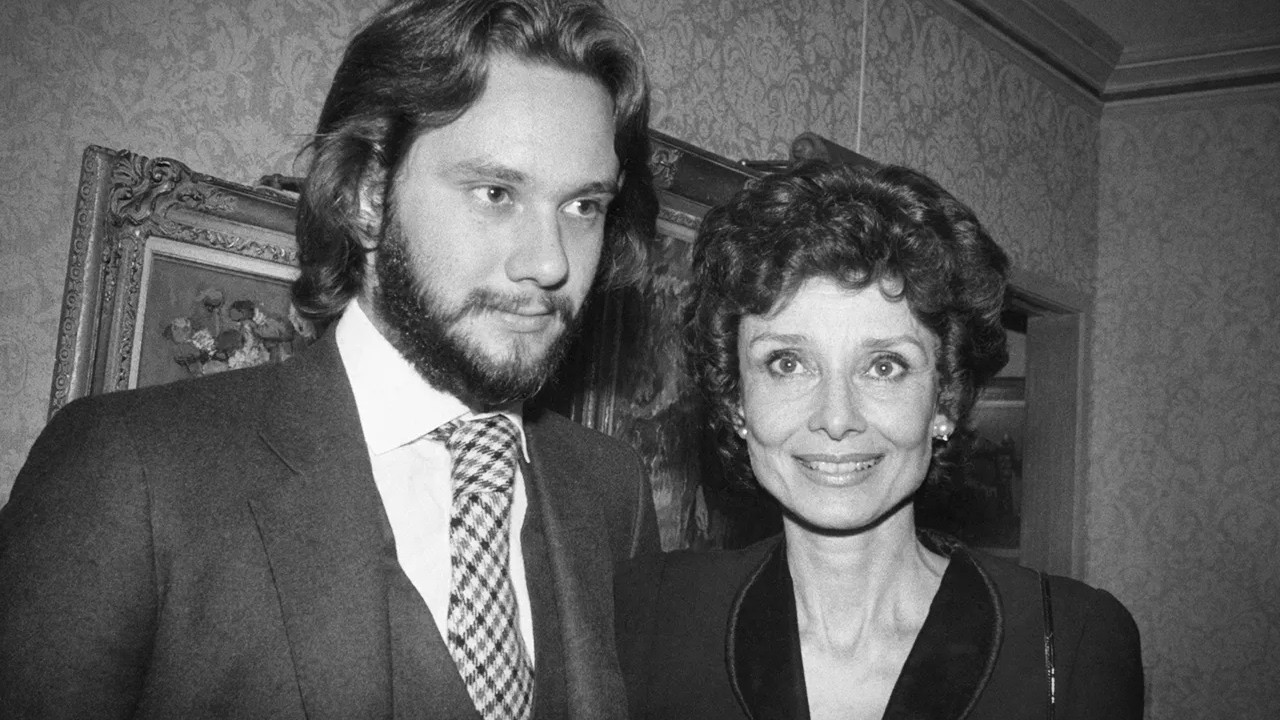
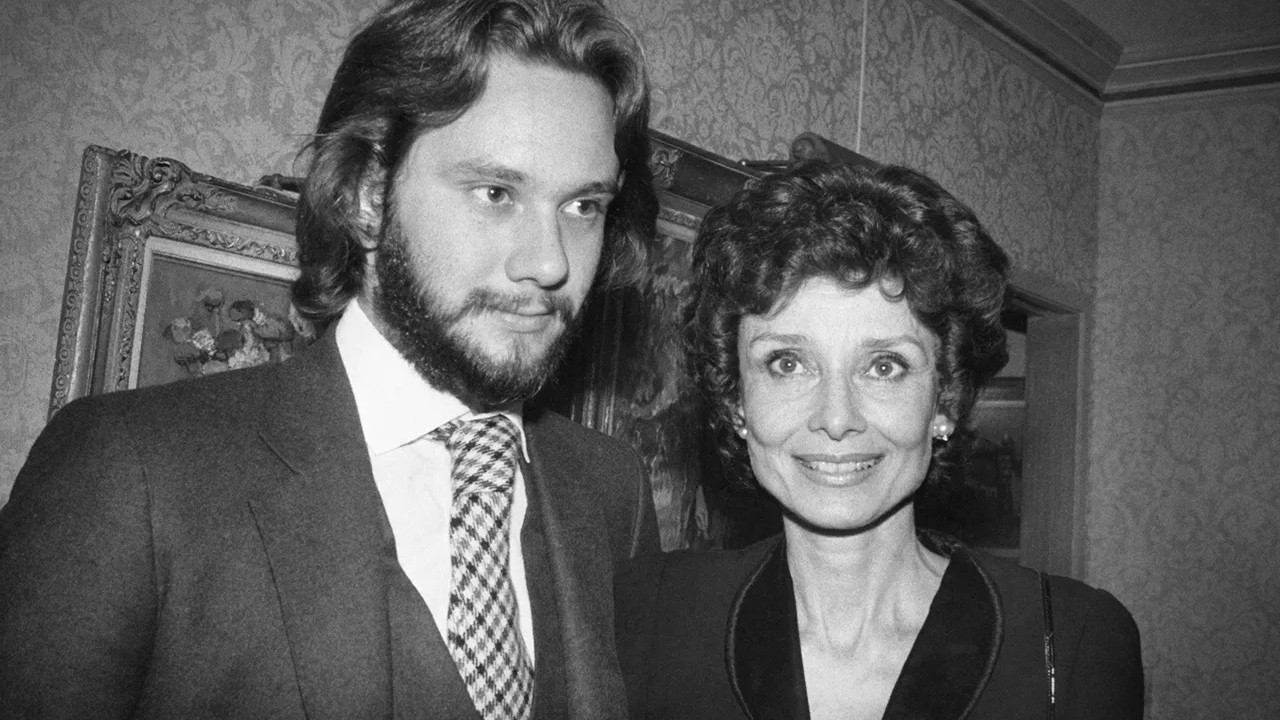
For decades, the world has admired Audrey Hepburn as the epitome of grace, elegance, and Hollywood stardom. But behind the luminous smile and the little black dress lay a life marked by profound loss, wartime starvation, and a heart that carried secrets she never fully shared. Now, more than thirty years after her death, her eldest son, Sean Hepburn Ferrer, is breaking his silence to confirm what many have long whispered: that the real story of his mother is far more complex, more painful, and more heroic than the public ever knew.
In an emotional and deeply personal account, Sean has revealed that the iconic actress was not merely a style icon or a beloved star of classics like Breakfast at Tiffany’s and Roman Holiday. She was a survivor who endured the horrors of Nazi occupation, the abandonment of her father, the devastation of multiple miscarriages, and the quiet heartbreak of two failed marriages. Her son’s revelations paint a portrait of a woman whose resilience was forged in the crucible of war and whose compassion later defined her humanitarian legacy.
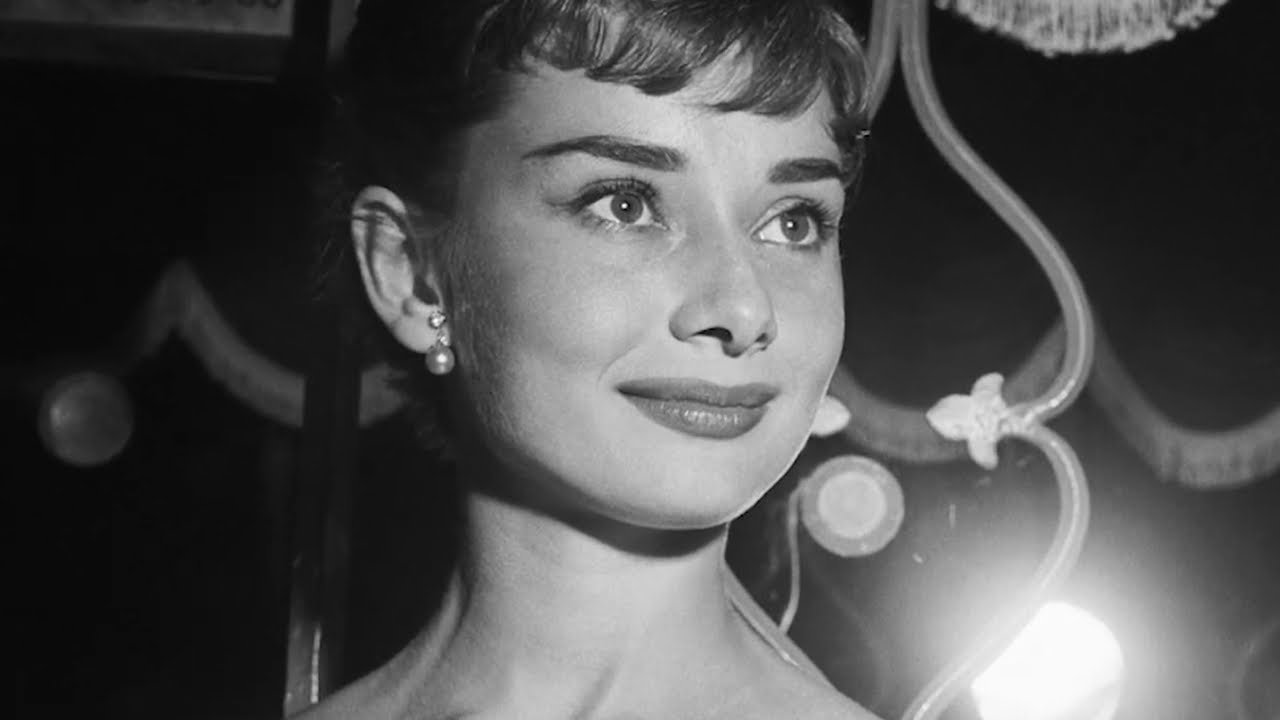
 Audrey Hepburn was born on May 4, 1929, in Brussels, Belgium, to an aristocratic family. Her mother, Ella van Heemstra, was a Dutch baroness, strict and opinionated. Her father, Joseph Victor Anthony Ruston, was a British banker with troubling political sympathies.
The marriage was unhappy, and when Audrey was just six years old, her father walked out, abandoning the family without warning. That wound, Sean confirms, never fully healed. Audrey spent much of her life longing for his love and approval, even tracking him down as an adult, only to find the relationship irreparable.
The trauma of her father’s departure was compounded by the outbreak of World War II. Believing the Netherlands would remain neutral, Audrey’s mother moved the family to Arnhem. But in 1940, the Nazis invaded.
To protect her British heritage, Audrey was forced to adopt the name Edda van Heemstra. She continued her ballet training, but the war soon consumed everything. Her uncle was executed for resistance activities.
Her half-brother was sent to a Nazi labor camp. The family fled to Velp, where they survived on little more than tulip bulbs and nettles during the Dutch famine of 1944.
Sean reveals that his mother never spoke publicly about the full extent of her wartime suffering. She witnessed young men executed in the streets. She saw Jewish families deported to concentration camps.
 She herself danced in secret performances to raise money for the resistance, and she volunteered at a hospital linked to the underground movement. These experiences, her son says, left an indelible mark. The malnutrition she endured left her physically weakened, ending her dream of becoming a prima ballerina.
But it also ignited a lifelong commitment to helping children in crisis, a mission she would later fulfill as a UNICEF Goodwill Ambassador.
After the war, Audrey moved to London to study ballet, but her instructors told her she lacked the stamina for a professional career. Undeterred, she turned to acting. Her first small film roles led to a fateful encounter with French novelist Colette, who insisted she star in the Broadway adaptation of Gigi.
The play was a success, and soon Hollywood came calling. In 1953, Roman Holiday made her an overnight sensation, earning her an Academy Award for Best Actress. Her co-star Gregory Peck insisted she receive equal billing, predicting her stardom.
He was right.
 But behind the glittering success, Audrey’s personal life was a series of heartbreaks. Her first major engagement, to British industrialist James Hanson, ended when she called off the wedding, uncertain of her feelings. Then she married actor Mel Ferrer in 1954, a union that produced her son Sean but was marked by tension and, according to Sean, a controlling dynamic that ultimately led to divorce in 1968.
Her second marriage, to Italian psychiatrist Andrea Dotti, brought her son Luca but also infidelity and strain. That marriage ended in 1982.
Sean now confirms the rumors that his mother suffered multiple miscarriages, one of which occurred almost to term before his own birth. The loss, he says, devastated her and created an especially deep bond between mother and son. When she finally had me, it was more than just the desire of having a child, it was also a healing from these experiences.
Audrey herself described those losses as some of the hardest moments of her life.
Her final romance, with Dutch businessman Robert Wolders, brought her the peace she had long sought. Though they never married, she called him her husband. Wolders was by her side when she was diagnosed with a rare and aggressive cancer in late 1992.
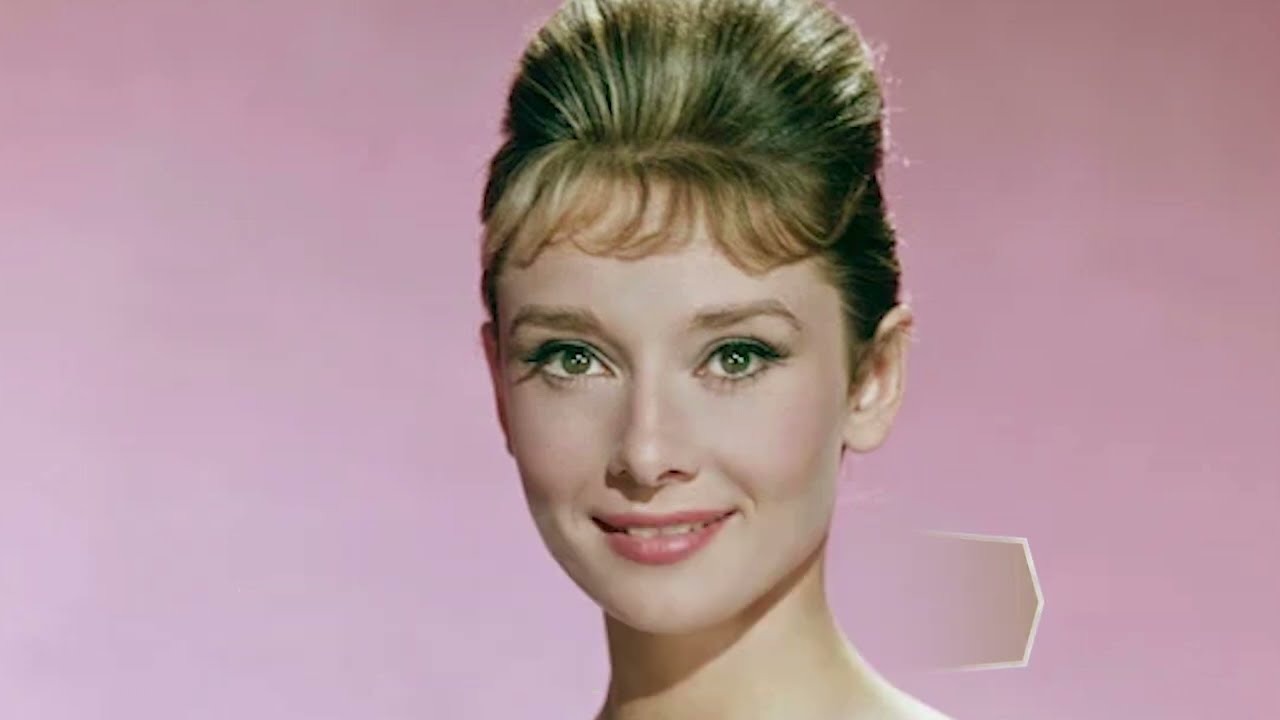 She underwent surgery and chemotherapy, but the disease had already spread. In her final days, she returned to her home in Switzerland, where her friend Hubert de Givenchy arranged a private jet filled with flowers. She called that Christmas the most beautiful I ever had.
Audrey Hepburn died peacefully in her sleep on January 20, 1993, at the age of 63. Her funeral was attended by her sons, former partners, and lifelong friends. Gregory Peck read a poem.
The world mourned not just a star, but a woman whose humanity transcended the screen. Now, with her son’s confirmation of the rumors, her legacy is more powerful than ever. She was not just Hollywood’s golden girl.
She was a survivor, a mother, and a humanitarian whose story continues to inspire.