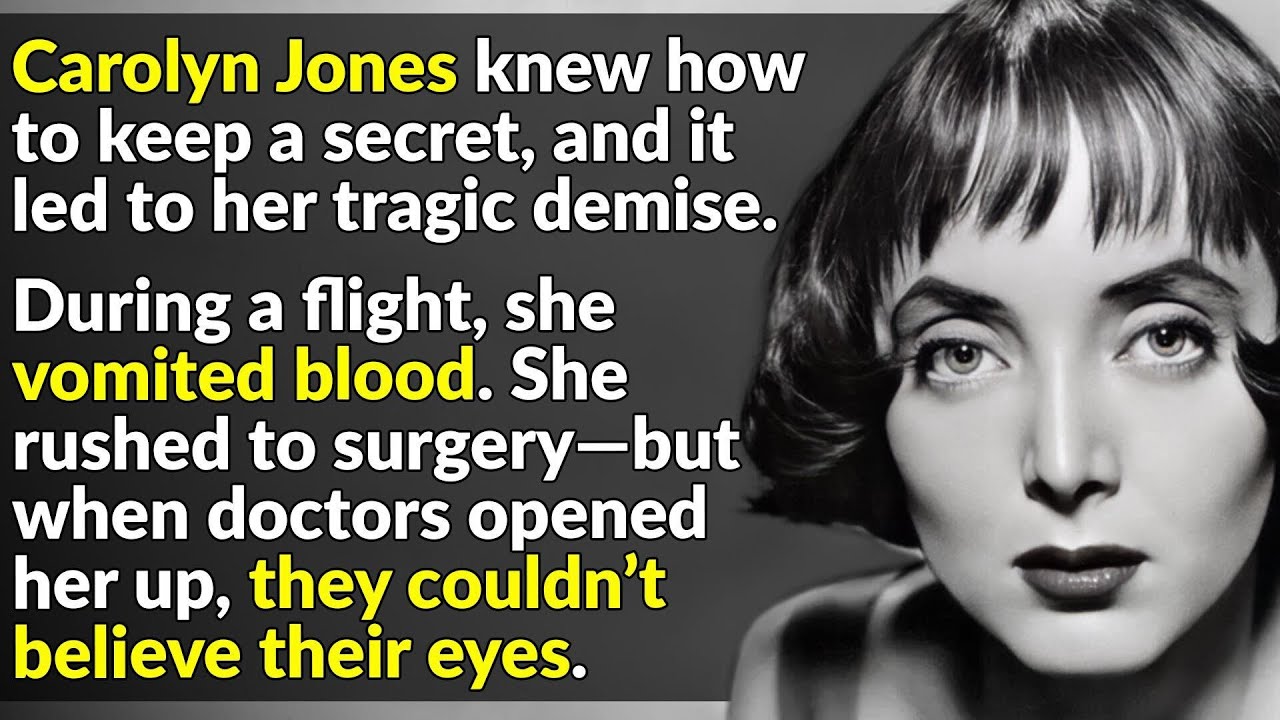
The actress who brought Morticia Addams to life on television carried a burden of secrets that ultimately led to her tragic death at age 53, newly revealed details show. Carolyn Jones, best known for her iconic role in The Addams Family, masked a devastating battle with colon cancer while continuing to perform until her final days, according to accounts from those closest to her.
Jones became severely ill during a flight from Dallas to Los Angeles in the early 1980s, barely making it to the restroom before vomiting large amounts of blood. The terrifying episode marked the beginning of a hidden struggle that she refused to share with the public. Upon landing, she was rushed to emergency surgery, where doctors discovered the extent of her disease.
 When surgeons opened her up, they were stunned by what they found. Colon cancer had spread aggressively through her body. Jones made a conscious decision to keep her diagnosis secret from nearly everyone, including her colleagues and fans.
She underwent agonizing surgery and chemotherapy in private, determined to maintain her career and her public image.
The actress had always been adept at concealing her true self. From an early age, Jones learned to mask her pain and ambition behind a carefully crafted exterior. Growing up during the Great Depression, her father abandoned the family in 1934, leaving her agoraphobic mother unable to provide for her daughters.
They moved in with her grandparents, where her grandfather’s sudden bouts of rage terrified her.
Confined to her bedroom for weeks due to chronic asthma, Jones escaped into Hollywood fan magazines and music. She became obsessed with becoming a star, seeing it as her only way out of a cramped, fearful existence. At 17, she gained admission to the prestigious Pasadena Playhouse in 1947, determined to be its next famous alumni.
While at the Playhouse, she met Don Donaldson in August 1949. The couple married in 1950 when Jones was just 19 and Donaldson was 27. The union raised eyebrows but lasted only a year.
After graduating as a star student, Jones quickly realized that talent alone would not guarantee success in Hollywood.
She underwent a complete makeover, including plastic surgery, dyeing her hair blonde, losing her Texas accent, and altering her walk and posture. The transformation worked. A talent scout noticed her on stage, and she landed a six-month contract with Paramount Studios in 1952.
Her big screen debut came in The Turning Point that same year.
But Jones resented that her new looks, not her finely honed skills, had opened the door. After her contract expired, she struggled to find work. Her financial situation grew so dire that her sister Betty had to move in to help pay rent.
Jones scrambled for any acting role she could find, returning to the stage at the Preston Sturges Players Theater.
There she met Aaron Spelling, an aspiring writer who would later produce hits like Beverly Hills 90210. They shared ambition, humor, and a passion for entertainment. In 1953, Jones won a role in House of Wax, the second 3D film ever released.
 It became her first genuine big break, earning praise from reviewers.
Her relationship with Spelling flourished, and she proposed to him in April 1953. But Jones made a personal choice that broke the mold of the 1950s housewife. She realized motherhood was not for her, fearing she would put her career first.
She felt it would be unfair to have children when she knew they would come second.
A casting executive from Columbia Pictures scouted Jones to star in From Here to Eternity, the studio’s biggest picture of the year. He promised the role would be hers pending a successful screen test. But disaster struck the evening before.
Jones suffered a serious bout of pneumonia with a 104-degree fever and ended up in the hospital, nearly dying.
She missed the opportunity. The role went to Donna Reed, who won an Oscar for her performance. The thought of what could have been crushed Jones.
She began to doubt her prospects, fearing her time in the limelight had passed. She took less prestigious work, eventually scoring a part in The Bachelor Party that required cutting her hair short and dyeing it dark.
The makeover was dramatic and effective. Despite only eight minutes of screen time, her performance generated buzz. Critics gave her rave reviews, and she received an Academy Award nomination for Best Supporting Actress.
But on the big night, she lost to another actress. Jones had to be content with the bittersweet honor of just being nominated.
In 1958, she landed her biggest opportunity yet: a movie with Elvis Presley. King Creole turned out to be the last film Elvis made before joining the Army. But Jones again fell ill with a fever of 103.
Terrified of getting Elvis sick, she begged to get out of their kissing scene. Elvis allegedly quipped that maybe it would get him out of the army.
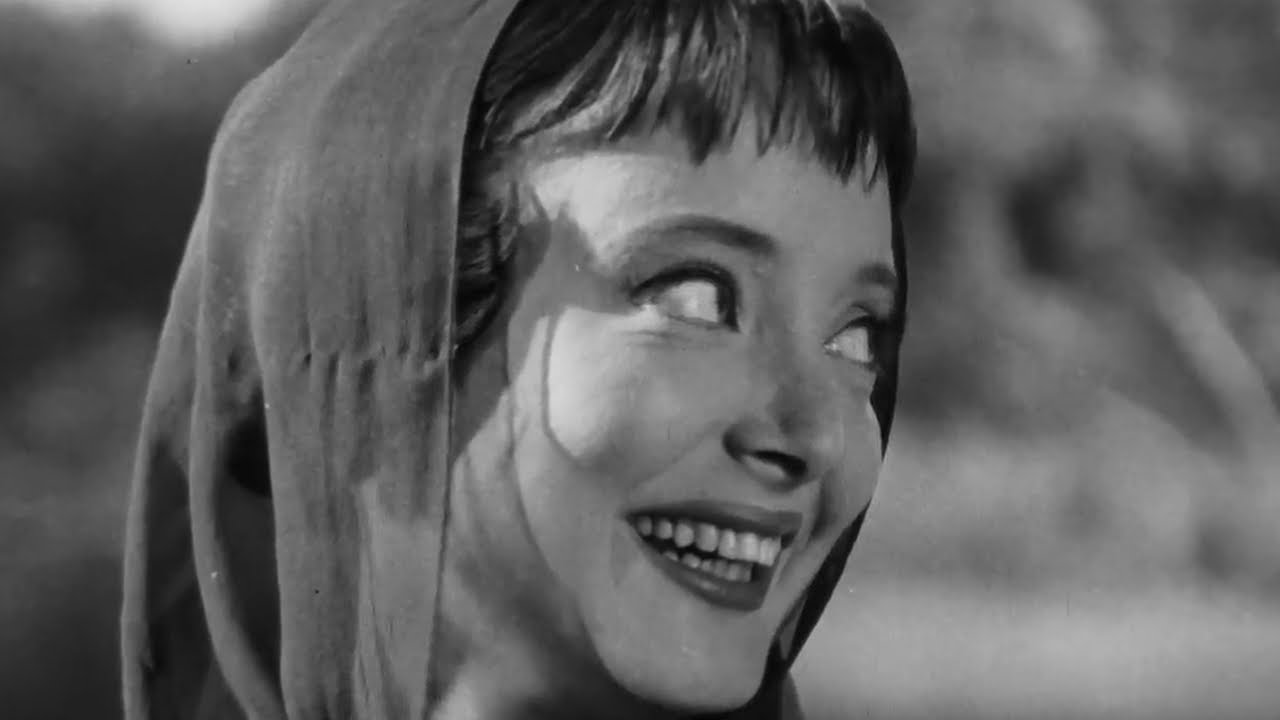 The movie was another hit, but Jones aspired to be a leading lady. She kept getting cast in quirky supporting roles. When offered a part in the film Career, she insisted on playing the Romantic lead, leaving Shirley MacLaine as the offbeat sidekick.
The film flopped despite Jones receiving the best reviews of her career.
Frustrated, she dove into the Hollywood lifestyle, believing she owed it to her fans to live glamorously. She and Spelling splurged on a 13-room mansion, furs, and expensive jewels. But the media frenzy faded, and job offers became sparse.
Meanwhile, Spelling’s writing career surged, making him more successful than her.
The imbalance disheartened Jones and strained their relationship. Spelling developed a habit of staying out late for no apparent reason. They divorced in August 1964.
At just 34, everything in her life seemed to be coming undone. But then she landed the greatest role of her life.
Jones had turned down television offers because she only wanted to be a movie star. But an intriguing offer for a leading role on daytime TV caught her eye. Quirky, dark, and comedic, the part seemed custom-made for her.
In 1964, she joined the cast of The Addams Family as the iconic Morticia.
The show became a pop culture sensation. Jones achieved mega celebrity status at 35, with legions of devoted fans. But her on-screen romance with Gomez Addams sparked controversy.
Their brazen public displays of affection outraged conservative audiences. And Morticia’s signature gown was a serious pain to wear, so tight that Jones could barely walk.
Despite the show’s massive popularity, ABC canceled The Addams Family after only two seasons. Jones was heartbroken. She went on to do guest appearances but received few other employment opportunities.
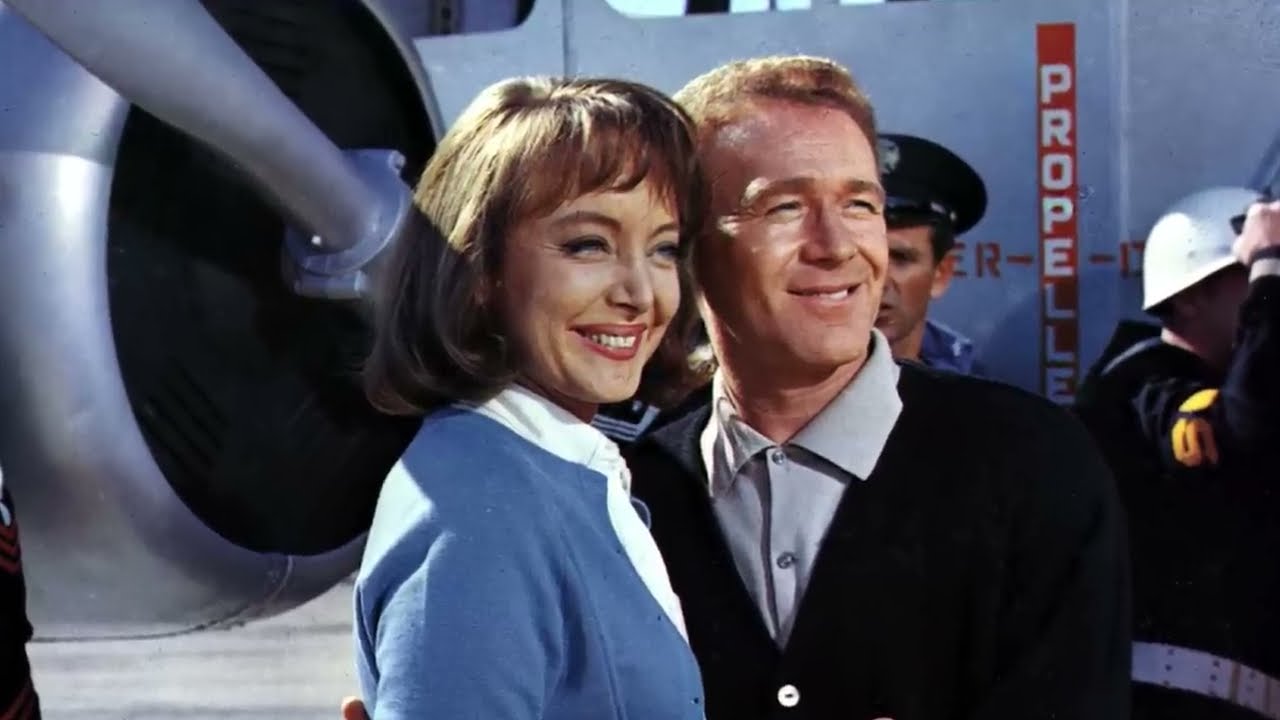 She had become so synonymous with Morticia that watching her portray any other role felt wrong to audiences.
Her career suffered, and there was no comeback in sight. With little recourse, Jones returned to the theater, securing a role on Broadway in The Homecoming. She hated every second of it.
Feeling washed up and bitter, she turned to her vocal coach Herbert Green for comfort. Their relationship evolved into love, and they married in December 1968.
Many of Jones’s circle disapproved. Green reportedly struck others as strange and not particularly nice. He convinced Jones to quit acting and move with him to Palm Springs.
Isolated and careerless, her once happy life turned miserable. It took seven years, but she eventually realized she missed acting.
At 46, she ended the unhappy marriage and returned to Los Angeles, determined to restart her career. The spotlight hadn’t forgotten her. She successfully returned to acting, appearing on TV as a guest star and performing in theatrical shows.
She reclaimed her sense of self-fulfillment.
Her work in theater led to romance again when she fell for her castmate Peter Bailey Brittain. They married in a special ceremony in September 1982. Jones knew she didn’t have much longer to live.
She wanted to surround herself with love. She made herself up as glamorous as possible, wearing a lace and ribbon cap to cover her hair loss from chemotherapy.
Jones went into a coma in July 1983 at her home in West Hollywood. She died on August 3 at age 53. Before her death, she arranged to donate her Morticia outfit and wig to the Academy of Motion Picture Arts and Sciences.
UCLA later received a collection of Addams Family scripts from her widower, ensuring her portrayal of the most iconic character would never be forgotten.
The actress who masked her darkest secrets with a smile and a signature gown left behind a legacy of resilience, talent, and a tragic battle fought in silence. Her story reveals the immense pressure Hollywood places on its stars to maintain a flawless image, even as their bodies betray them. Carolyn Jones lived and died on her own terms, keeping her pain hidden until the very end.