The long-simmering feud between “The Beverly Hillbillies” stars Nancy Culp and Buddy Ebsen has finally been laid bare, revealing a bitter ideological war that shattered their on-screen harmony and ended in political betrayal. New details expose how the beloved sitcom’s set became a battlefield of clashing worldviews, culminating in Ebsen’s public sabotage of Culp’s congressional campaign.
For decades, fans saw only the warm chemistry between Miss Jane Hathaway and Jed Clampet. Behind the cameras, however, Culp and Ebsen were locked in a relentless conflict fueled by their opposing political convictions. Culp, a progressive Democrat who had served as a Navy lieutenant and worked as a journalist, clashed daily with Ebsen, a staunch conservative who valued traditional family structures and smaller government.
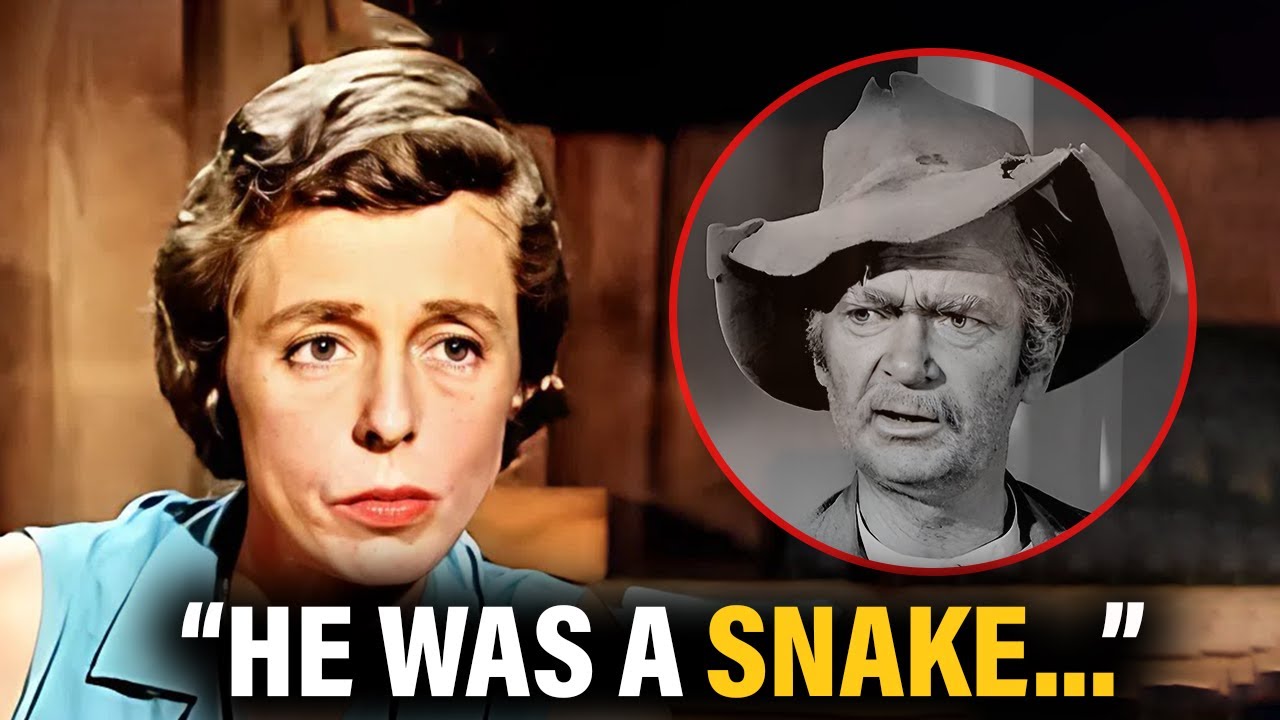 Their arguments on set grew so intense that crew members recalled the atmosphere shifting from comedic playfulness to uneasy silence. The two stars would retreat to separate spaces as soon as the director yelled cut, avoiding all but the most necessary interactions. What audiences saw as effortless partnership was actually a carefully maintained professional facade.
The breaking point came in 1984, when Culp, then 62, decided to run for Congress as a Democrat in Pennsylvania’s ninth district. She believed her name recognition from the iconic sitcom would help her challenge incumbent Republican Bud Shuster. But Ebsen, despite their years of shared history, publicly intervened against her.
He recorded a radio advertisement warning voters that Culp was too liberal for the district, accusing her of leveraging her television fame for political gain. The ad was devastating. Culp responded bitterly, telling reporters that “Buddy Ebsen is not the kind, gentle Jed Clampet the public believes him to be.”
The election ended in a landslide defeat for Culp, who lost by more than 66 percent.
Political analysts now say Ebsen’s intervention, while not decisive in such a conservative district, severely undermined Culp’s credibility and reinforced the perception that she was out of step with her constituents. For Culp, the loss was not just political but profoundly personal. She carried the belief that Ebsen had irreparably harmed her reputation.
The conflict between the two actors was rooted in their vastly different backgrounds. Culp was born in Harrisburg, Pennsylvania, in 1921, the only child of a salesman and a teacher. She earned a journalism degree from Florida State University and worked as a writer for the Miami Beach Tropics before enlisting in the Navy during World War II.
After the war, she moved to California and worked in MGM’s public relations department before being encouraged to try acting. Her early roles included a maid on “I Love Lucy” and a tipsy waitress on “Maverick.” She brought intelligence and wit to every part, eventually landing the role of Miss Jane Hathaway in 1962.
Ebsen, born in Orlando, Florida, in 1908, began his career as a vaudeville dancer alongside his sister. He nearly died during the filming of “The Wizard of Oz” in 1939, when aluminum dust from his Tin Man makeup caused severe lung poisoning. He served in the Navy during World War II, teaching seamanship and navigation.
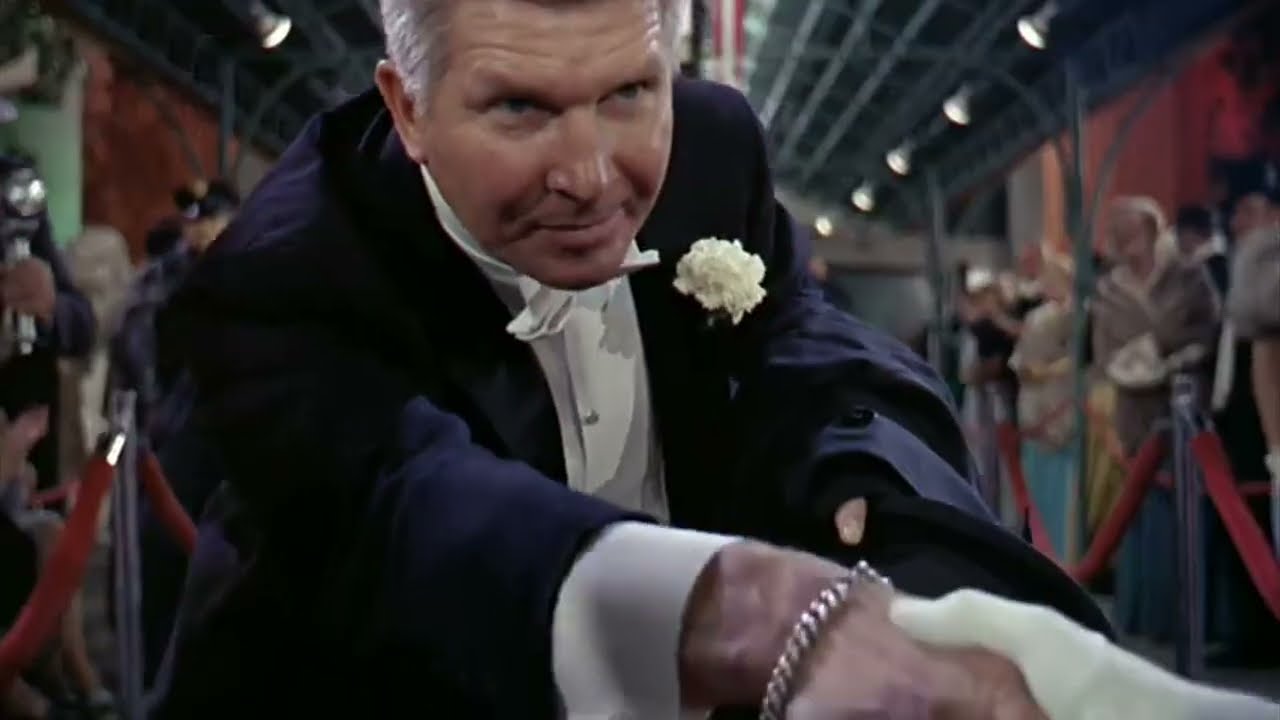 His portrayal of Jed Clampet made him a household name, embodying warmth and folksy wisdom. But behind that gentle persona was a man of strong conservative principles who refused to compromise his beliefs, even for the sake of professional harmony.
The irony is that their on-screen chemistry thrived despite their personal discord. As Miss Jane, Culp played the devoted secretary supporting Jed’s folly wisdom. Their interactions sparkled with warmth and comedic timing.
But once the cameras stopped, the warmth vanished.
Some colleagues suggested that the strain between them mirrored the growing polarization of the United States during the 1960s and 1970s, a time when questions of war, civil rights, and morality split the country in half. Their conflict was not rooted in hatred but in conviction.
After the election, Culp withdrew from politics and returned to teaching. She accepted a position at Juniata College in Pennsylvania, where she taught acting and 𝒹𝓇𝒶𝓂𝒶. Students described her as a living bridge to Hollywood’s golden age, someone who had experienced both glamour and struggle.
She also participated in local theater productions, bringing her trademark wit to the stage. In the late 1980s, she was diagnosed with cancer but continued teaching as long as possible. She died on February 3, 1991, at the age of 69.
Ebsen, meanwhile, found renewed fame in the 1970s playing a widowed private detective on “Barnaby Jones.” He also wrote memoirs and fiction and pursued a love of sailing. He lived to 95, passing away on July 6, 2003.
 Their story remains a cautionary tale about the dark side of Hollywood relationships. The laughter on “The Beverly Hillbillies” masked a deep divide that ultimately destroyed any chance of friendship. For fans, the revelation that their beloved characters were played by actors who genuinely despised each other is a sobering reminder that television’s brightest lights often cast the darkest shadows.
The full extent of the feud has only now come to light through interviews with former crew members and newly discovered recordings of Ebsen’s campaign ad. The ad, which had been thought lost, was recently unearthed from a private archive.
In it, Ebsen’s voice is calm but firm as he warns voters that Culp’s liberal views would harm the district. “Nancy Culp is a fine actress, but she is not the right choice for Pennsylvania,” he says. “Her politics are out of touch with the values that made this country great.”
Culp’s response, captured in a 1984 interview, was equally sharp. “Buddy Ebsen is not the kind, gentle Jed Clampet the public believes him to be,” she said. “He is a man of deep prejudice and narrow vision.”
The ad aired repeatedly in the weeks before the election, and Culp’s campaign never recovered. She finished with just 33 percent of the vote. Shuster went on to serve 14 more terms in Congress.
For historians of television, the Culp-Ebsen feud is a rare example of how political polarization can infiltrate even the most wholesome of productions. “The Beverly Hillbillies” was a show about family, unity, and the American dream. But behind the scenes, it was a battleground.
The revelation has sparked renewed interest in the show’s legacy. Streaming platforms report a surge in viewership as fans revisit episodes with new eyes, searching for signs of the tension that simmered beneath the surface.
 Some critics argue that the conflict actually enhanced the performances. “There’s a certain electricity when two actors who genuinely dislike each other have to play affection,” said television historian Dr. Margaret Chen.
“It forces them to dig deeper, to find a truth that transcends their personal feelings.”
But for Culp, the experience was painful. In her later years, she rarely spoke about Ebsen. When asked, she would simply say, “We had different ideas about the world.
That’s all.”
Ebsen, for his part, never publicly apologized. In his memoirs, he mentioned Culp only briefly, noting that they “didn’t see eye to eye on many things.” He remained proud of his role in the election, believing he had done his duty as a citizen.
The full story of their hatred, now finally revealed, serves as a powerful reminder that even the most beloved television families can be built on a foundation of conflict. The laughter may have been real, but so was the pain.
As the world continues to grapple with political division, the tale of Nancy Culp and Buddy Ebsen offers a timeless lesson: that conviction, while admirable, can also destroy the bonds that bring people together. And that sometimes, the darkest truths are hidden behind the brightest smiles.


