Jack Wild, the celebrated child star of “Oliver!” and beloved TV icon of “H.R. Pufnstuf,” tragically died at just 53 years old. His battle with alcoholism, diabetes, and oral cancer culminated in a heartbreaking final chapter that ended a dazzling yet turbulent career far too soon.
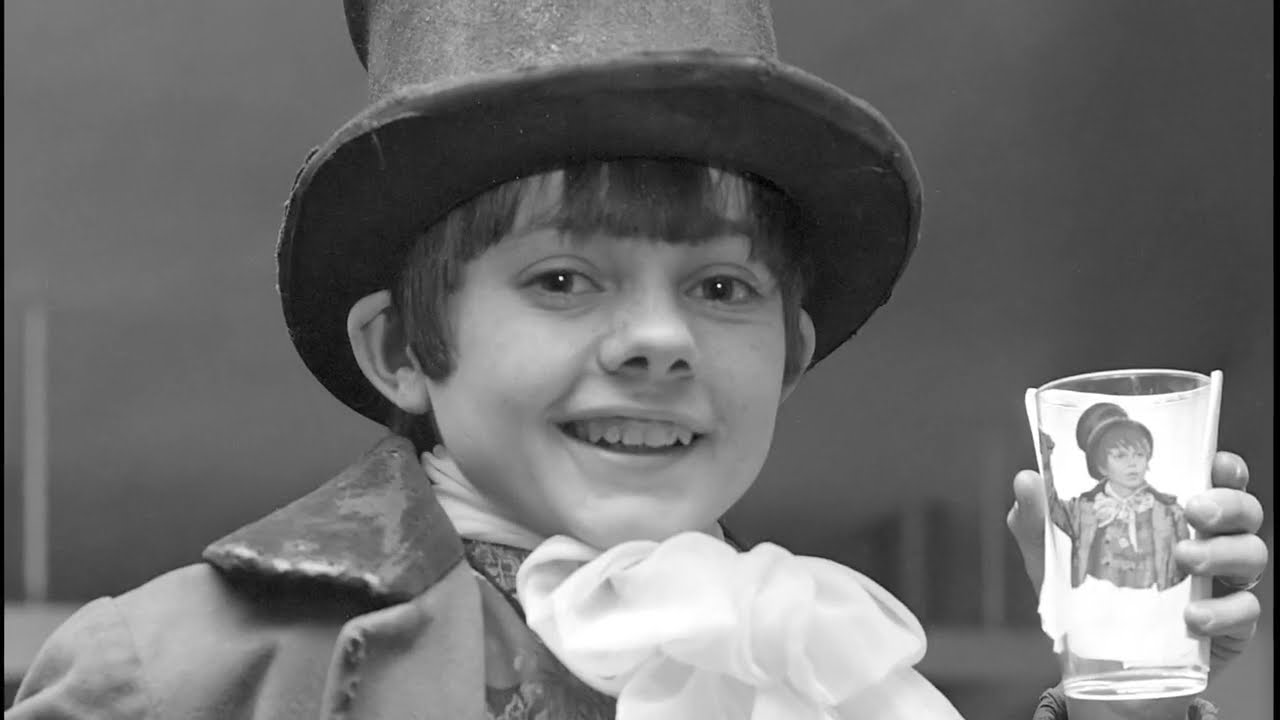
Born in London on September 30, 1952, Jack Wild’s rise to fame began in childhood. Discovered playing football alongside future singer Phil Collins, Wild entered show business early, attending stage school alongside his brother. His breakthrough came with the West End hit, Oliver!, where he originated the role of Charlie Bates.
By 16, Wild had transitioned to film, landing the role of the Artful Dodger in the 1968 movie adaptation of Oliver!. His performance garnered critical acclaim and multiple nominations, including an Oscar nod for Best Supporting Actor, launching him into international stardom.
Jack’s charm carried over to television, where he became a household name as Jimmy in the NBC children’s series H.R. Pufnstuf. His role cemented his status as a teen idol during the late 1960s and early 1970s, appearing on numerous magazine covers and building a devoted fan base.

Despite early success, Wild’s personal struggles began to worsen by his early 20s. Though only 21, he was already battling alcoholism and diabetes, which severely affected his health and career. His typecasting as a boyish character frustrated him, driving his downward spiral.
Jack’s addiction led to the collapse of his marriage to Gainer Jones, whom he married in 1976. The marriage ended in divorce in 1985 as his alcoholism took over his life. He endured three cardiac arrests, multiple hospitalizations, and financial ruin, further compounding his decline.
In 1989, Wild found hope by joining Alcoholics Victorious, a Christian support group, through which he finally quit drinking. His brief comeback included minor roles in notable films such as Robin Hood: Prince of Thieves and Brazil, signaling a tentative return to acting despite lingering health issues.
Tragically, in 2000, Jack was diagnosed with oral cancer, a disease he attributed to decades of heavy drinking and smoking. The cancer treatment cost him part of his tongue and both vocal cords, leaving him mute and dependent on his second wife Claire Harding, whom he wed in 2005.
Jack Wild passed away on March 1, 2006, in a profound loss to the entertainment world. His physical voice silenced, the legacy of his golden years lives on through the joyful characters he brought to life. He was laid to rest in Tiddington Parish Cemetery, Bedfordshire, leaving fans devastated.
Wild’s story is one of soaring highs and devastating lows—a poignant reminder of the pressures child stars face and the harsh realities of addiction. His early promise and later struggles illustrate the fragility behind fame’s glittering facade and the urgent need for support for artists battling similar demons.
As Jack Wild’s life closes, his influence endures. From the streets of London’s stage to Hollywood screens, his youthful sparkle remains immortalized. His tragic end underscores the importance of resilience and compassion in the face of fame’s challenges, a brutal lesson echoed in countless lives behind the spotlight.
The entertainment community continues to mourn Jack Wild’s loss, recognizing the tremendous talent and warmth he contributed from such a young age. Fans worldwide remember him as a gifted actor whose personal battles remind us all of human fragility hidden beneath celebrity glamor.

Jack Wild’s journey from beloved child star to tragic figure epitomizes the perils and pitfalls of early stardom. His remarkable achievements by adolescence contrast sharply with his heartbreaking decline, portraying a tale marked by rare talent shadowed by relentless personal struggles.
In reflecting on Jack Wild’s life, it’s clear the shine of early fame can mask deep vulnerabilities. His courageous fight against addiction and disease, although ultimately unsuccessful, highlights critical issues regarding child actor welfare, mental health, and the consequences of unmet needs.
His story resonates today as a call for the industry and society to urgently address the systemic pressures faced by performers. Jack Wild’s legacy serves not just as a tribute but as a stark warning about the costs of neglecting support for entertainers navigating fame’s turbulent waters.
As the world remembers the vibrant, effervescent young man who captured hearts on screen, it also mourns the silence his illness forced upon him in final years. Jack Wild’s life and sad ending remain a powerful testament to both extraordinary talent and tragic vulnerability.
No doubt, Jack’s legacy will endure through the films and shows that immortalized his childhood spirit. His voice may have been lost, but the characters he portrayed and the joy he created live on, inspiring new generations to cherish and protect young stars before it’s too late.

The tragic end of Jack Wild is a sobering reminder of the complex reality behind the glamour. His life story demands urgent reflection on how society supports, heals, and protects those who dedicate their youth and talent to the unforgiving spotlight of fame.
Jack Wild’s journey—from a bright child actor to a man silenced by illness—is a dramatic saga etched in the history of cinema and television. It compels an ongoing dialogue to ensure future stars aren’t left to face such battles alone, underlining the urgent need for comprehensive care and understanding.
As fans and colleagues commemorate his life, let the pain of Jack Wild’s decline galvanize action and awareness. His life and sad ending aren’t just history—they’re a summons to confront the fragile human stories behind celebrity and the critical importance of compassion and support.