Legendary musician David Bowie released his final album, Blackstar, on his 69th birthday, January 8, 2016. Just two days later, Bowie passed away, leaving the world stunned. This unprecedented farewell was orchestrated in secret, with the album serving as his artistic death message, a haunting, mysterious legacy.

For 18 months, Bowie concealed his terminal illness from everyone, including his closest collaborators. Blackstar’s creation involved intense secrecy and profound symbolism, marking an unprecedented blending of art and mortality. His producer Tony Visconti confirmed the project was Bowie’s conscious “parting gift,” crafted with chilling foresight and finality.

Bowie’s final album shattered expectations. No face graced the cover—instead, a single black star dominated, symbolizing death, mystery, and, as many noted, the darkness of cancer lesions. Hidden fragments beneath spelled out his name, a cryptic signature subtly revealing his presence amid concealment.
The album’s cover changed under sunlight, stars appearing and fading, an evocative metaphor for Bowie’s life and death. This physical transformation mirrored the ephemeral nature of existence Bowie explored in his last work, deepening the eerie atmosphere enveloping his final public statement.
The tracks themselves echoed farewells. “Lazarus,” shot just weeks before his death, opens with Bowie in a hospital bed, blindfolded, singing lines that now resonate as a haunting goodbye from beyond the grave. The song invites listeners into an intimate confrontation with mortality.
Dollar Days and “I Can’t Give Everything Away,” the album’s closing tracks, fade into near silence—Bowie whispering, acknowledging death’s approach. These subtle endings contrast sharply with his lifetime of theatrical performances, underscoring the album’s profound intimacy and raw emotional power.
Bowie’s choice of musicians further underscored the album’s significance. Eschewing established stars, he recruited a New York jazz ensemble led by saxophonist Donny McCaslin, signaling an audacious direction. This decision exemplified Bowie’s relentless innovation, even amid his darkest days.
Intriguingly, Bowie drew inspiration from contemporary artists like Kendrick Lamar, melding jazz and experimental music. Blackstar deliberately avoided rock’s familiar ground, pushing boundaries in its sonic landscape and illustrating the artist’s refusal to stagnate despite terminal illness.
The secrecy surrounding Bowie’s struggle was remarkable. Only a close inner circle knew of his liver cancer diagnosis in 2014. His continued public silence, paired with the album’s open innovation, made Blackstar not only an artistic statement but also an act of profound personal courage.
Bowie’s final public appearance came on December 7, 2015, at the opening of Lazarus, a musical interwoven with themes from his past work and constructed during his illness. This performance would be his last glimpse at the world, a final stage before retreating into privacy.
Blackstar’s release was eerily timed—dropping on Bowie’s birthday—before his death sent shockwaves globally. The album quickly topped charts worldwide, including the U.S., where it became his first-ever Billboard 200 number one posthumously, a tragic twist that reflected his enduring influence.
The critical acclaim was immediate and sweeping. At the 2017 Grammy Awards, Blackstar won five categories, including Best Alternative Music Album and Best Engineered Album, marking Bowie’s ultimate, posthumous recognition. This clean sweep hinted at the music industry’s deep respect, arriving just too late.
Beyond the accolades and charts, Blackstar reshaped Bowie’s legacy. It cemented his final artistic vision as a cryptic farewell, a complex synthesis of death and creativity, challenging listeners to grapple with loss, transformation, and the enigmatic spirit he embodied across decades.

David Bowie’s death two days after Blackstar’s release was not a sudden end but a carefully staged transition. The album’s haunting symbols, secretive production, and futuristic sound illustrate a master controlling his departure with unmatched intentionality and artistic bravery.
From his early struggles under the name David Jones to shaking the world as Bowie, his career culminated not in a decline but in this deliberate, profound finale. Blackstar stands as the ultimate expression of an artist who thrived on reinvention until his very last breath.
The impact of Bowie’s final album reverberates far beyond music. It challenges how artists confront mortality publicly, fusing personal tragedy with creative triumph. Blackstar remains a testament to Bowie’s visionary spirit, secretive resilience, and unwavering commitment to innovation even in death.
Fans worldwide transformed Bowie’s childhood neighborhood of Brixton into a vibrant shrine, symbolizing the deep connection between the artist and his roots. This communal outpouring of grief and remembrance mirrors the album’s themes of identity, legacy, and the passage of time.
Bowie’s enduring influence stems from his career’s complexity: from glam rock provocateur Ziggy Stardust to the enigmatic Thin White Duke, and the unpredictable bursts of creativity he unleashed through decades of change. Blackstar, his final act, encapsulates this restless evolution perfectly.
His decision to hide his illness ensured that Blackstar would arrive untainted by public sympathy, allowing the music to stand on its own. This steadfast privacy intensified the shock of his death, revealing an artist who maintained control over his narrative down to the last note.
Bowie’s embrace of avant-garde jazz musicians for Blackstar reflects a fearless artistic spirit unbound by genre constraints, symbolizing a relentless pursuit of new soundscapes. This choice accentuates the album’s unsettling, forward-looking nature—a stark contrast to mainstream expectations.
The thematic weight of Blackstar’s lyrics and visuals underscore Bowie’s profound contemplation of death, legacy, and transformation. His lyrical references to “heaven,” “bluebirds,” and fading moments deliver an intimate reckoning with his mortality, elevating the album to a profound artistic statement.
Released after a decade-long hiatus, Blackstar functions as both a bold musical experiment and a coded farewell letter. Its complexity and subtlety demand attentive listening, rewarding fans and critics alike with a deeper understanding of Bowie’s final days and artistic mindset.
Bowie’s life story—from chart failures and early setbacks to groundbreaking success and reinvention—adds layers to Blackstar’s poignancy. His journey, culminating in this final album, represents a narrative of resilience, innovation, and the ultimate artistic control over life’s final chapter.
The album’s release strategy defied typical music industry practices. Recorded in secret, with nondisclosure agreements protecting its creation, Blackstar’s surprise launch enhanced its impact. This approach mirrors Bowie’s lifelong penchant for unpredictability and control over his public image.
David Bowie’s Blackstar remains one of the most remarkable final statements in music history. It transcends the traditional boundaries of farewell albums, instead blending personal pain, artistic innovation, and cryptic messaging, ensuring Bowie’s legacy will challenge and inspire generations to come.
The haunting imagery of Lazarus, recorded near the end of Bowie’s life, serves as a stark, visual representation of transition. The video’s hospital bed and blindfold evoke vulnerability intertwined with mystique, encapsulating the album’s overarching themes of death and posthumous emergence.
Blackstar’s release ignited a reevaluation of Bowie’s entire body of work. Critics and fans revisited his previous creations through the lens of his final masterpiece, recognizing the album’s role as a deliberate culmination of a lifetime spent pushing the boundaries of music and persona.
The profound secrecy Bowie maintained around his illness contrasts sharply with the openness of his final artistic expressions. This duality highlights the complexity of an artist who chose to share his deepest truths only through creative output, not public discourse or media.
The juxtaposition of Blackstar’s avant-garde jazz influences with its rock legacy symbolizes Bowie’s perpetual evolution. Even at death’s door, he refused to settle for the familiar, instead advancing into challenging, unpredictable musical terrains that defy easy categorization.
Blackstar’s arrival forced the music world to confront the intersection of artistry and mortality. It became not just an album but a cultural event, framing Bowie’s death not simply as loss but as a final, profound act of creation and self-definition.
Bowie’s final two songs articulate a poignant farewell: frailty, acknowledgment of mortality, and the release of control. These intimate moments strip away theatricality, revealing the human vulnerability behind the mythic persona that shaped rock history for over 50 years.
The global response to Bowie’s death and Blackstar’s release was immediate and overwhelming. From mournful fans gathering in Brixton to international chart domination, it was clear that Bowie’s artistry transcended music, embedding itself deeply in the cultural fabric worldwide.
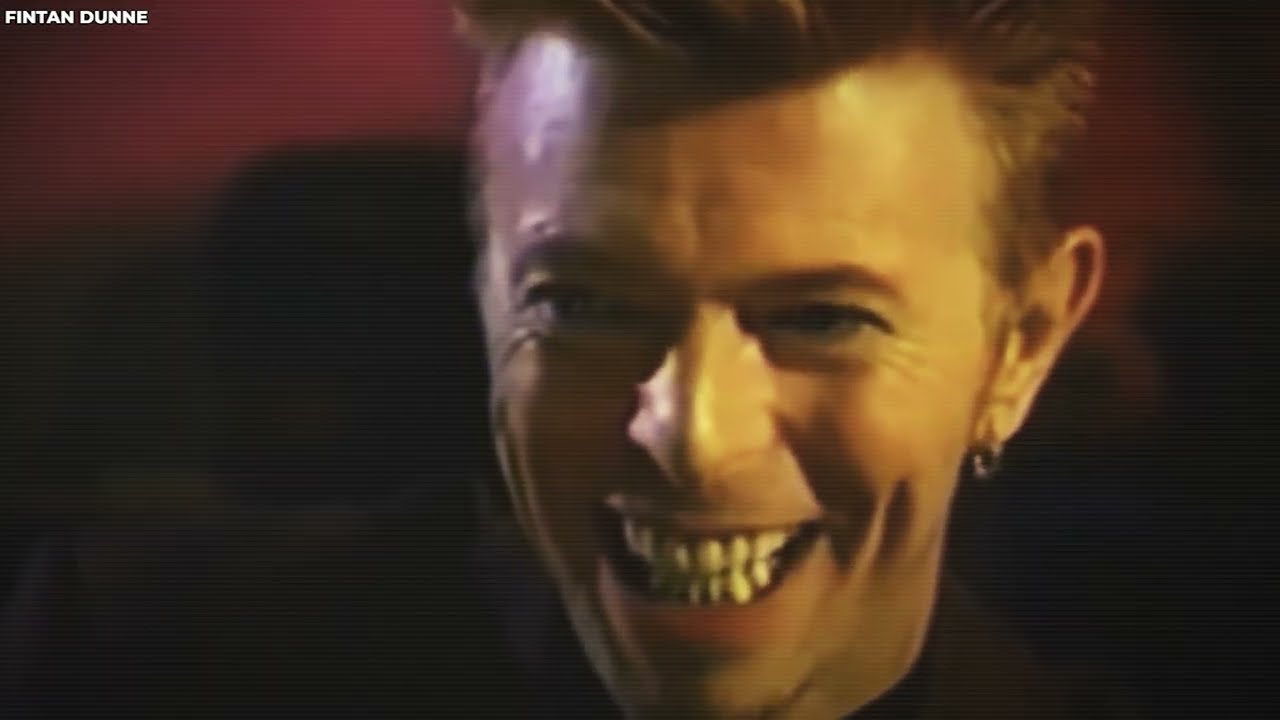
Blackstar’s experimental soundscape challenged even seasoned listeners with its complexity, blending dissonant jazz with subtle electronic textures. This sonic darkness paralleled Bowie’s secret battle and existential reflections, making the album a deeply immersive experiential farewell.
Despite his passing, Bowie’s influence continues to ripple across genres, inspiring artists and reshaping creative boundaries. Blackstar stands as the ultimate testament to his visionary approach—strategic, enigmatic, and eternally forward-looking, even in the face of death itself.
Ultimately, the story of David Bowie’s last album is a narrative of control—control over his image, his music, and his mortality. Blackstar is more than an album: it is his final act of defiance, a masterpiece cloaked in mystery and profound emotional depth.