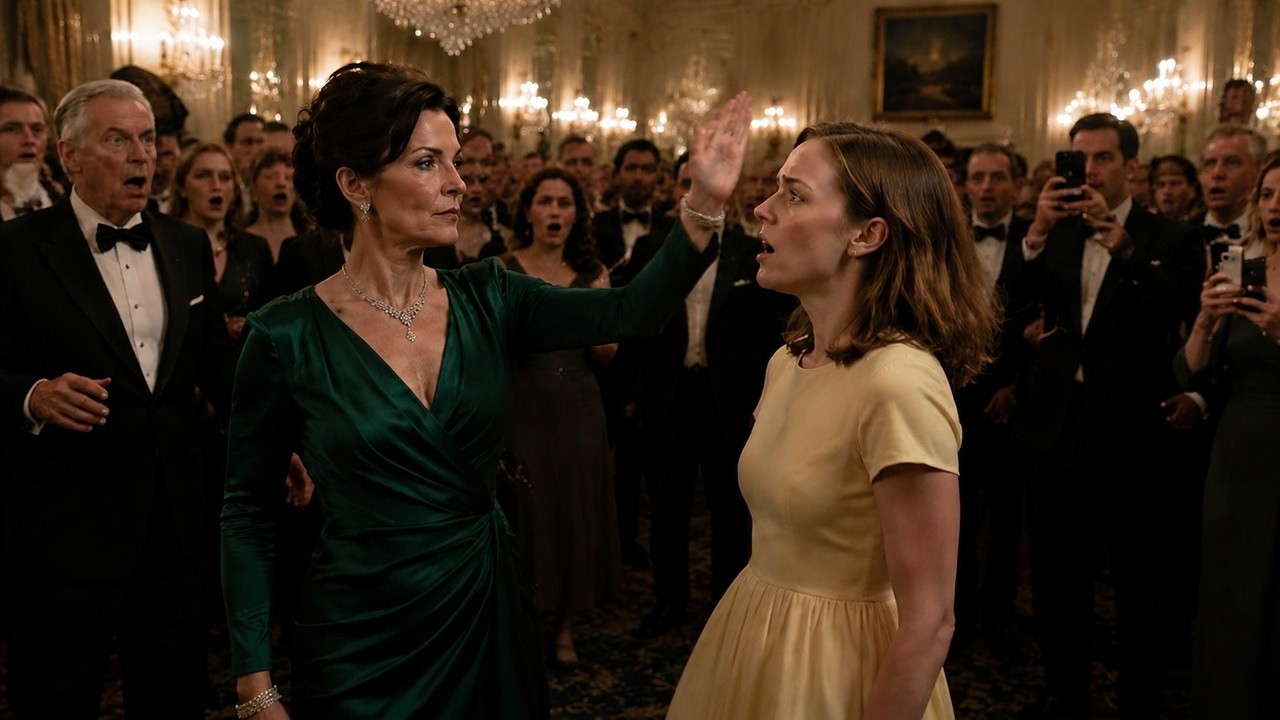
Meghan Markle and Prince Harry’s recent courtside appearance at the NBA All-Star game in Los Angeles has ignited a wildfire of speculation and intrigue. With Meghan spotlighted beside Queen Latifah, the duo’s tense body language and calculated presence suggest a carefully orchestrated media moment rather than a spontaneous sports outing.

The sighting at the NBA game was anything but casual. Meghan Markle, visibly engaged and beaming for cameras, was the clear focal point, while Prince Harry appeared distant and reluctant. Observers noted Meghan’s firm grip on Harry’s arm, indicating more control and positioning than affection. The duo’s contrasting energy sparked discussions about their public dynamic.
The NBA appearance has been dissected frame by frame, even slowed down to capture every micro-expression. Meghan’s clearly camera-aware demeanor contrasts sharply with Harry’s stiff, almost reluctant participation. His casual attire and subdued presence only underscore his seeming discomfort, amplifying the impression that this appearance was choreographed for maximum visibility with minimal spontaneity.
Critics describe Meghan’s behavior as “trophy behavior,” showcasing Harry as a prized accessory in the spectacle. Her proximity to Queen Latifah—a star dubbed “queen” herself—carries symbolic weight. It’s more than coincidence; it’s a strategic visual calculation, planting royal adjacent imagery firmly into the public consciousness through carefully curated photo ops.
Such placements don’t happen without backstage orchestration. Sport and entertainment insiders speculate about Meghan’s connection to Jill Smaller, an influencer linked to Serena Williams and the sports world. Smaller’s role in smoothing introductions and securing prime seats is seen as instrumental in managing these high-profile appearances, ensuring consistent camera-ready moments.

These repeated sports outings align with a visible shift in the couple’s public strategy. Public interviews and long narratives have given way to curated, headline-friendly visuals. Front row seats and guaranteed camera angles substitute verbal engagement, offering wide-reaching media exposure without the unpredictability of direct questioning or intimate family glimpses.

Valentine’s Day passed quietly without the typical warm family imagery fans expected, creating a glaring silence around personal life updates. Instead, the public sees polished, yet seemingly staged moments like the courtside game. This contrast highlights a disconnect between private realities and public face, intensifying speculation about what truly transpires behind closed doors.
The body language during the game was telling. Meghan’s steady grip and focused gaze on the camera reflect control and awareness. Harry’s occasional glances suggest discomfort and reluctance, painting the picture of two individuals navigating differing media relations narratives—one burgeoning in the spotlight while the other appears resigned or sidelined.
Observers argue the sports events now function as a new form of publicity—controlled, clean, and precisely positioned. Unlike traditional red carpets or gala appearances, courtside NBA seating offers an ideal backdrop: guaranteed attention without invasive media interaction. This strategic pivot maximizes visibility while preserving boundaries on engagement depth.
Experts highlight a growing tension between the couple’s public statements about media harassment and the evident comfort Meghan displays before cameras. If the spotlight truly causes distress, why consistently choose the most visible, cameras-heavy seating? The optics suggest a calculated media management approach rather than aversion to public exposure.
Queen Latifah’s proximity adds another layer to the optics. In an era dominated by digital algorithms and search engine optimization, sitting next to someone referred to as “Queen” cleverly reinforces royalty-adjacent branding with no 𝓮𝔁𝓹𝓵𝓲𝓬𝓲𝓽 mention needed. It’s a subtle but potent tool for shaping public perception and maintaining narrative control.

The repeated pattern of Meghan leaning into visibility while Harry remains more passive signals divergent personal media strategies. Meghan appears to be steering their public engagements, capitalizing on her entertainment and sports world connections to build her brand independently of Harry. This parallel approach possibly marginalizes Harry’s input in crafting appearances.
Speculation about their family life intensifies amid these public outings. With extended stays in LA and no intimate family moments shared, audiences question how much time is spent with their children. The silence fuels rumors about the dynamics at home, amplifying the intrigue surrounding their off-stage lives amid high-profile appearances.
Public and media reaction to the appearances remains mixed, yet notably absent is any crowd pushback at games. No boos or disruptions marred their presence, suggesting that the carefully managed optics successfully navigate public scrutiny. The moments are polished, algorithm-friendly, and intended to sustain media momentum without controversy.
This evolving public strategy reveals more than just celebrity PR. It exposes a nuanced game of media management where visibility is meticulously curated. Each public appearance feels less like a candid moment and more like a deliberate message crafted to sustain relevance and brand strength amid a complex media landscape.
In summary, Meghan Markle and Prince Harry’s courtside NBA moment is a flashpoint illuminating broader themes in their public narrative: control, contrast, and calculated exposure. The event underscores how celebrity media strategy intertwines with personal storytelling, leaving audiences watching not only the game but the 𝒹𝓇𝒶𝓂𝒶 unfolding courtside, frame by frame.