In a tragic and tumultuous saga spanning decades, the lives of Claudine Longet and Andy Williams—a Hollywood’s glamorous couple turned headline sensation—were forever altered by heartbreak and controversy. From dazzling fame to a fatal shooting and a fiercely contested courtroom 𝒹𝓇𝒶𝓂𝒶, their story electrifies and devastates simultaneously.
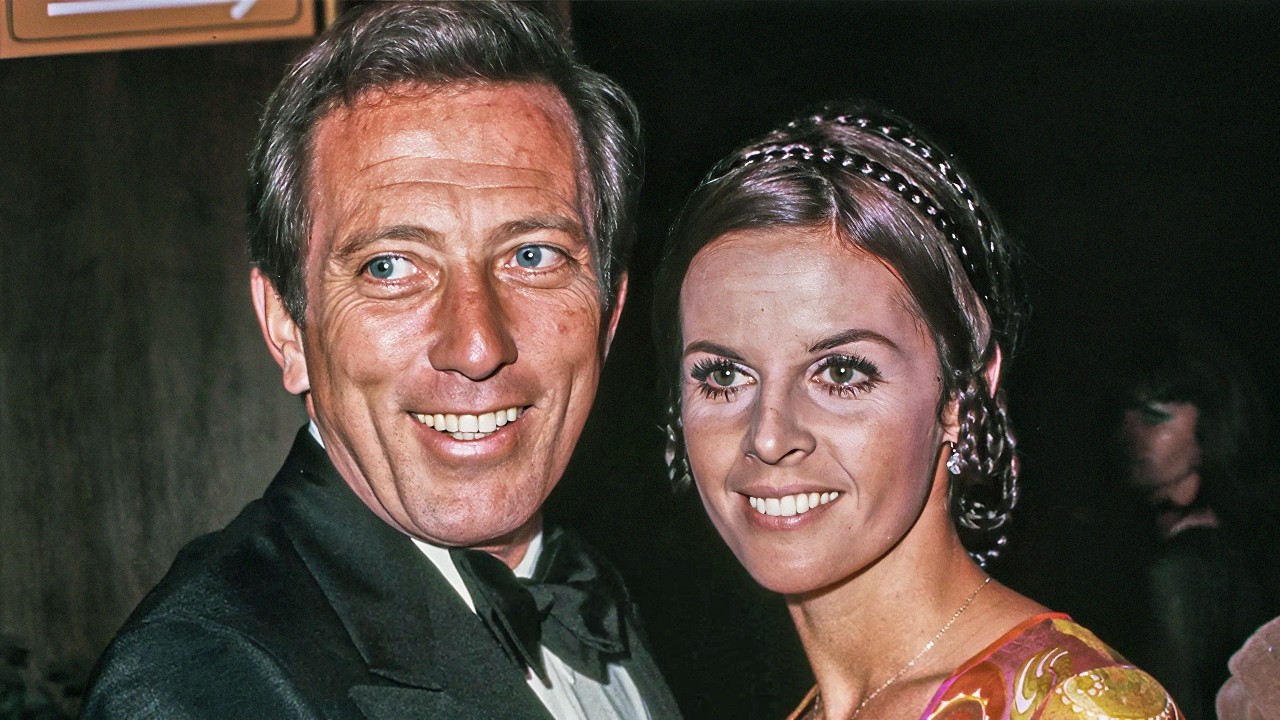
Claudine Georgette Longet’s journey began far from Hollywood’s glitz, in Paris, 1942. A young dancer 𝒄𝒂𝓊𝓰𝒉𝓉 in the vibrant swirl of post-war Europe, she charmed audiences with her grace. This talent propelled her to Las Vegas, where the stage lights and the Folies Bergere introduced her to the American entertainment elite and eventually, to Andy Williams.
Andy Williams, a music icon, and Claudine married in 1961, blending their worlds of show business and celebrity families. With three children and the spotlight of Williams’ rising career, Claudine transformed from an enchanting dancer to a respected actress and singer. Together, they lived a public life that was admired—yet fraught underneath.

Yet, their marriage, dazzling to the public eye, began unraveling. Career demands and personal strains took their toll. By 1970, the couple separated; their divorce would be finalized by 1975. Despite the split, they remained connected through their children, maintaining a fragile but enduring bond.
Claudine’s life took a drastic turn upon her relationship with ski legend Vladimir “Spider” Sabich. The Olympic athlete’s connection introduced a quieter, more isolated phase to her life in Aspen. However, this new chapter would spiral into tragedy on March 21, 1976, when Sabich was fatally shot in a mysterious incident that shook the nation.

At the center of the investigation was Claudine, holding the gun when it discharged. Her defense claimed it was an accident during a firearm demonstration. However, the physical evidence and prosecution’s narrative questioned her version, sparking a legal battle filled with ambiguity and public scrutiny.
The trial revealed flawed police work and suppressed evidence. The mishandling of the gun and removal of key toxicology reports weakened the prosecution’s case. Despite suspicions and controversy, the jury convicted Longet only of criminal negligence, sentencing her to just a $250 fine and weekend jail time—a verdict that stunned and divided public opinion.
Andy Williams shocked many by supporting Claudine throughout the ordeal, funding her defense and standing by her claim of accidental shooting. His loyalty underscored the complex personal dynamics beyond the headlines, intertwining their fates even after their marriage ended and exposing a side of Williams rarely seen by the public.
The aftermath prolonged the 𝒹𝓇𝒶𝓂𝒶. Claudine’s lawyer became her husband shortly after the trial, stirring public outrage. A civil suit filed by Sabich’s family followed, ending in a private settlement that bound Claudine to silence. She retreated from the spotlight, her entertainment career eclipsed by the notoriety of the shooting.
Yet popular culture kept the story alive; the Rolling Stones immortalized her on their 1978 album cover and song, embedding Claudine’s name in the annals of fame and infamy. This ongoing public fascination clashed with her retreat into privacy and the quiet life she built in Aspen with her new husband.
Decades later, Claudine and her husband sold their Aspen property for nearly $60 million, marking the end of an era. Their relocation to Hawaii symbolized the final chapter of a life indelibly marked by tragedy, fame, and controversy—a life that would always echo with the questions and heartbreak of that fatal day in 1976.
Andy Williams himself faced a somber finale, passing away in 2012, closing another profoundly influential chapter in entertainment history. His legacy, tied irrevocably with Claudine’s tumultuous saga, underscores the complexity of fame—how public brilliance can mask private sorrow and unresolved pain.

The story of Claudine Longet and Andy Williams remains a haunting reminder of fame’s fragility and the shadows that can lurk behind the brightest spotlights. From celebrated careers to 𝒔𝒄𝒂𝓃𝒅𝒂𝓁 and heartbreak, their intertwined lives continue to captivate, provoke, and provoke difficult questions about truth and memory in the public eye.


