Audie Murphy, America’s most decorated World War II soldier, harbored a deep and complex frustration that extended beyond personal grudges—directed at Hollywood’s portrayal of war, symbolized by John Wayne’s celebrated yet untested screen heroism. Their story reveals far more than a bitter feud; it exposes the painful clash between real combat and Hollywood myth.
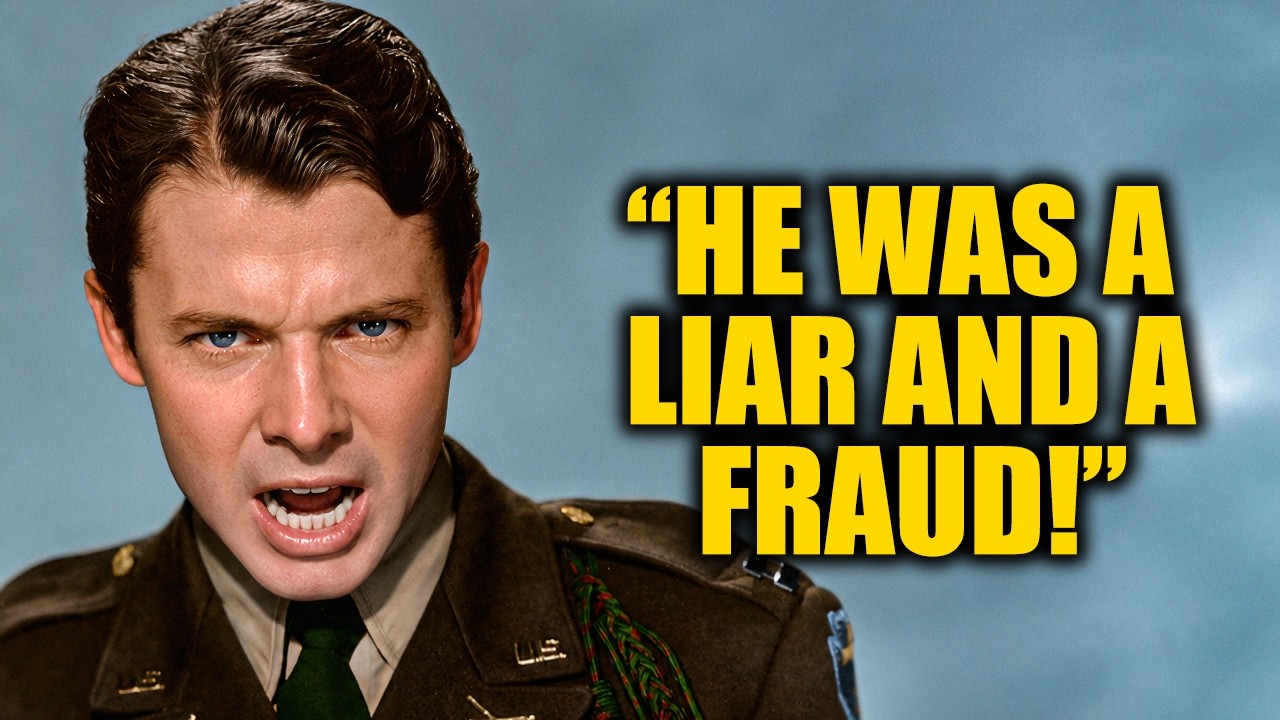
Audie Murphy’s wartime heroism was unmatched, from surviving brutal battles across Europe to single-handedly stopping a German 𝒶𝓈𝓈𝒶𝓊𝓁𝓉 while wounded. His bravery earned him the Medal of Honor and countless decorations. Yet his real-life heroism barely prepared him for the battles he would face after returning home: psychological scars and an industry ready to rewrite his story.
In stark contrast, John Wayne’s path to fame was grounded not in battle experience but in embodying the idealized American warrior onscreen. Wayne never fought in World War II despite attempts to enlist, instead becoming Hollywood’s uncontested symbol of rugged patriotism. For Murphy, this contrast was more than a difference in service—it represented a painful disconnect between reality and entertainment.
Hollywood’s craving for authentic war heroes made Murphy a valuable asset but a difficult star. Small, quiet, and deeply affected by his wartime trauma, Murphy didn’t fit the typical image of a bold Western hero shaped by studios and audiences alike. His reality clashed sharply with Wayne’s larger-than-life persona, making Murphy’s frustration understandable but far more nuanced than simple envy.

Murphy’s entry into Hollywood marked a struggle between two conflicting narratives: the glorified warrior Wayne portrayed, and the haunted veteran Murphy was. While Murphy wanted to reveal the true horrors of war, Hollywood preferred sanitized versions that audiences could easily accept, sidelining the genuine emotional toll Murphy carried.
This tension erupted vividly during Murphy’s role in The Red Badge of Courage. Director John Huston, a veteran himself, cast Murphy as a fearful, uncertain soldier—a radical departure from typical heroic portrayals. But MGM executives cut and distorted the film, eliminating crucial scenes exploring fear and trauma to make the story more commercially viable—and less truthful.
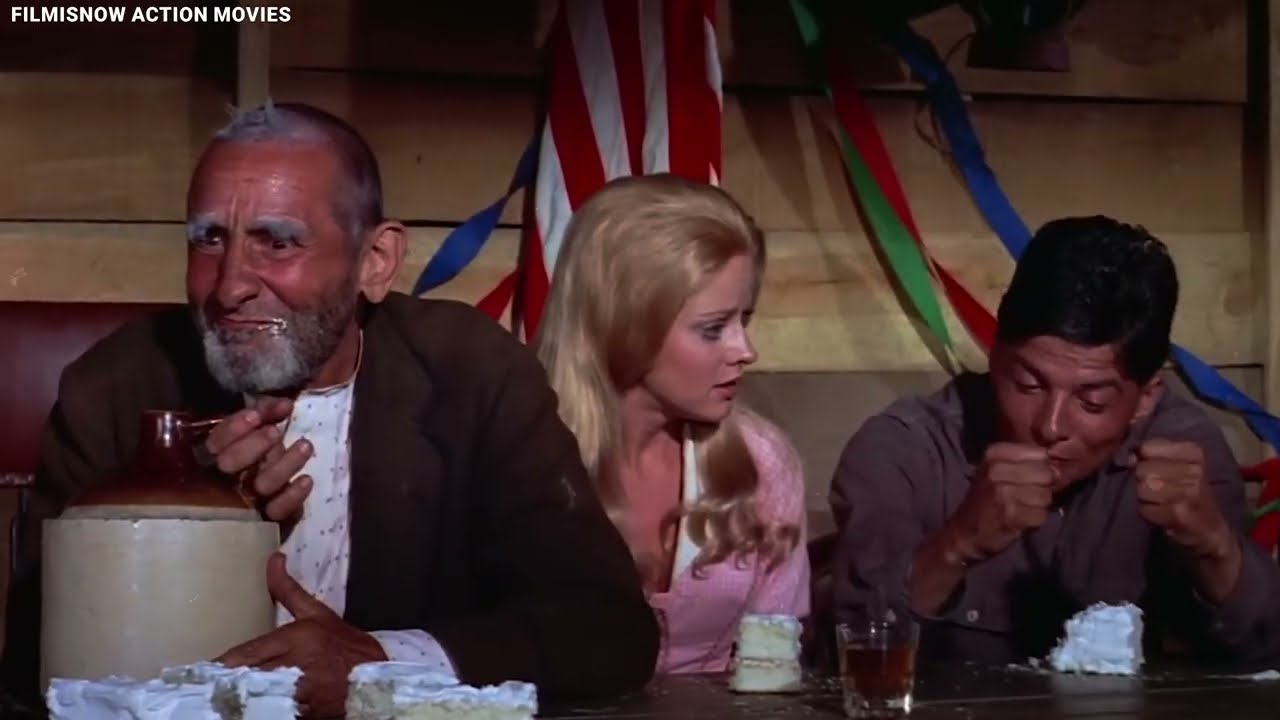
To Hell and Back, Murphy’s autobiography-turned-blockbuster, brought him commercial success but at a psychological cost. Re-living his harrowing experiences on screen brought the nightmares and trauma back into Murphy’s life, illustrating the tragic paradox of his stardom. He was trapped between being celebrated for courage and haunted by war’s realities.
Despite his fame, Murphy struggled with post-war challenges—insomnia, recurring nightmares, financial troubles, and a battle with medication dependency. His openness about these issues made him an atypical veteran voice during an era when society demanded silence and stoic resilience, further complicating his relationship with Hollywood’s idealized war narrative.
By the late 1960s, Murphy’s life was marked by ongoing hardships but also persistence. He continued acting and advocating for veterans, but financial woes and psychological scars shadowed him. Meanwhile, John Wayne remained a towering figure in American culture, continuing to star in traditional war and Western films, reinforcing stereotypes Murphy found deeply problematic.
Their divergent legacies culminated tragically. Murphy died in a 1971 plane crash at 45, miles away from the battlefields where he earned his fame. His funeral was a significant military event, yet his personal battles remained largely invisible to the public. Wayne died in 1979, honored with posthumous congressional accolades and widespread cultural reverence.

The heart of Murphy’s purported hatred was likely less personal animosity toward Wayne than a profound frustration with what Wayne represented: a Hollywood-fabricated hero stripped of war’s brutal truth. Murphy’s lived experience clashed with the nation’s desire for comforting myths—an uncomfortable reality Hollywood struggled to depict or even acknowledge.
Ultimately, the story of Audie Murphy and John Wayne is a tale of two Americas: one shaped by the brutal realities of war, the other by the idealized image of heroism sold to the public. The complexity of Murphy’s feelings underscores a deeper conflict between truth, memory, and myth that still resonates today.
No conclusive evidence proves that Murphy personally hated Wayne. Instead, their story symbolizes America’s tension between honoring real heroes and celebrating heroic fantasies. Murphy’s legacy challenges us to reconsider how we remember war and the costs borne by those who survive it versus the stories we choose to believe.
As America continues to grapple with its military history, Murphy’s candid struggles and Wayne’s symbolic heroism offer contrasting but intertwined narratives. Their intertwined legacies reveal not just the men behind the legends, but the cultural forces shaping—and often simplifying—the stories of war and valor.