John Denver, beloved music icon known for his calm, comforting voice, lived a hidden double life for over 30 years, concealing deep personal struggles behind his peaceful public image. New revelations expose his lifelong battle between fame’s demands and private turmoil, culminating in a tragic, fatal plane crash that shocked the world.
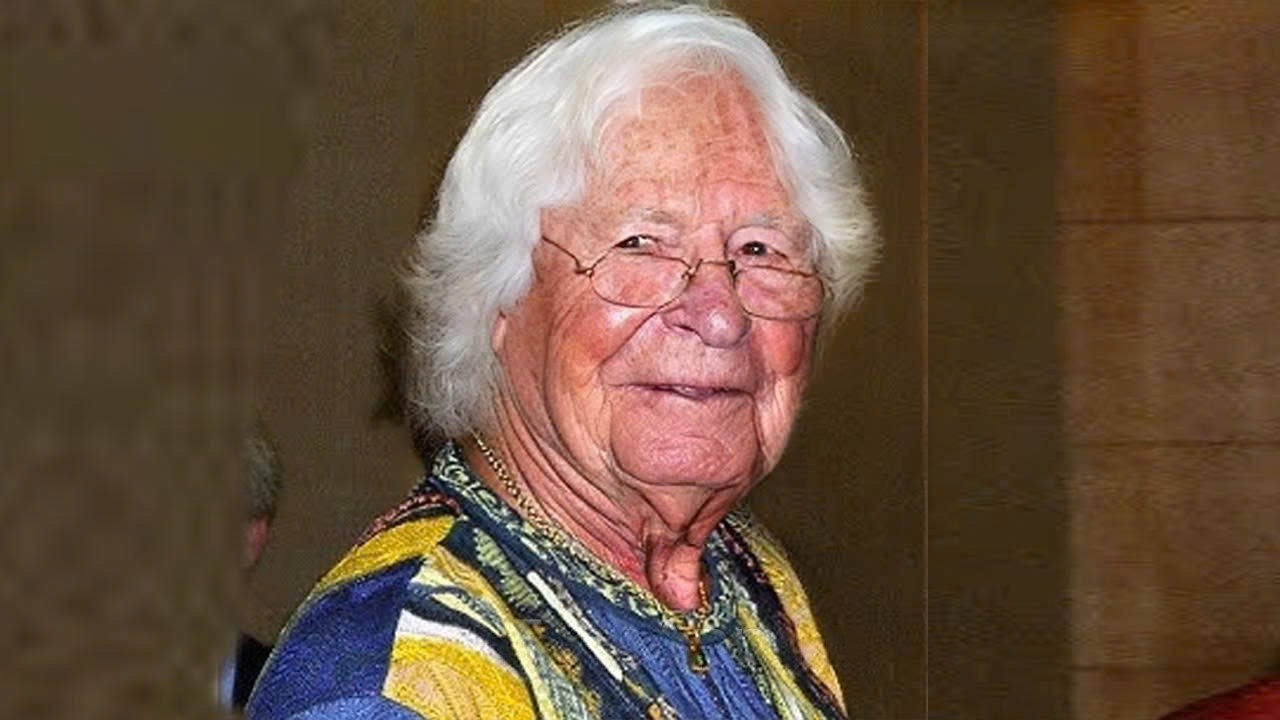
John Denver, born Henry John Deutschendorf Jr., did not emerge from a typical musical background. Raised in a strict Air Force family, constant moves bred loneliness and detachment. His father’s cold precision overshadowed emotional warmth, forcing young Henry to suppress vulnerability and adapt silently to new environments, fostering a sense of not truly belonging.
Music became Denver’s sanctuary and voice. A guitar gifted by his grandmother opened a private world where emotions flowed freely. Yet, even as his talent blossomed in small venues and folk clubs, a split emerged between his shy self and the confident performer. That divide deepened with fame’s rise.
After dropping out of Texas Tech University, Denver moved to Los Angeles, pursuing music fiercely despite financial insecurity. Joining the Chad Mitchell Trio gave him entry into the industry, but he remained a background member, learning early to mold himself into what others expected. This adaptive pattern underscored his career.
Denver’s breakthrough came not directly through his own recordings but through songwriting success. “Leaving on a Jet Plane,” made famous by Peter, Paul, and Mary, transformed his quiet demos into a prized commodity, signaling his arrival. He then built his fanbase tirelessly through grassroots touring, printing posters, and personal outreach.
Songs like “Take Me Home, Country Roads” catapulted Denver to national stardom. His folk-country blend and approachable image struck a chord, making him a symbol of peace and authenticity. However, that very image soon became a public cage, binding him to performances and roles that masked his inner complexity.

Commercial success exploded with hits such as “Rocky Mountain High,” “Sunshine on My Shoulders,” and “Thank God I’m a Country Boy.” Constant television appearances and prestigious awards solidified Denver’s place in pop culture. Yet beneath this shining exterior, the pressures of maintaining a flawless persona escalated, eroding his true self.
Denver’s personal life crumbled under fame’s weight. His marriage to Annie Martell, once seen as the perfect harmony of his music and life, fractured amid distance and unspoken conflict. The symbolic severing of their marital bed underscored how deeply his public calm contrasted with private disarray and emotional isolation.
His turbulent second marriage to Cassandra Delaney echoed the pattern—brief, intense, and publicly painful. Denver’s rare openness about this failure revealed cracks in the carefully constructed image. Concurrent struggles with alcoholism and legal issues clashed starkly with the peaceful figure adored by millions, intensifying his internal battle.

The Federal Aviation Administration’s revocation of Denver’s medical flying certificate after failed sobriety tests was a harsh blow. Yet, flying remained his refuge and passion, where he escaped public roles to a raw freedom unattainable elsewhere. This dangerous sanctuary symbolized his struggle to reconcile the man beneath the legend.
Activism offered another dimension. Denver’s commitment to environmental causes and humanitarian work reflected a search for meaning beyond music. Founding the Windstar Foundation and witnessing African famine firsthand, he contrasted his global vision with personal instability. His public advocacy heightened expectations for moral clarity he personally found elusive.
Tragically, his final solitude came in the experimental Long-EZ plane he had recently acquired. Known for its challenging controls, the aircraft’s design flaws demanded precise skill and attention. On a fateful day, low fuel, restricted control access, and inexperience combined fatally as he crashed into Monterey Bay—an unheralded end to a conflicted journey.
The investigation ruled that the crash stemmed from multiple factors: the hazardous control layout, Denver’s limited familiarity with the plane, and critically, the decision to fly without refueling. His final moments broadcast calm routine, yet the sudden descent shattered illusions of control, marking the tragic conclusion of decades-long private turmoil.
World reaction was shock and mourning. Tributes flooded in globally, with public figures like Bill Clinton acknowledging Denver’s profound influence. Flags lowered, vigils held, and ashes scattered in the Rocky Mountains, the very landscape that inspired Denver’s music and identity. Yet awareness grew that his life held far more complexity than widely known.
In death, John Denver’s dual existence—the cherished singer and the troubled private man—came fully into focus. His story illustrates the cost of fame’s double-edged sword: the relentless demand to present perfection while managing deep personal conflict. The comforting voice that raised spirits masked a profound search for belonging and peace.

This revelation challenges how we perceive cultural icons. Was Denver truly known, or merely the version he allowed the world to see? The blending of public persona and private struggle invites reflection on the nature of identity under scrutiny and the hidden battles behind celebrated lives, urging a reevaluation of celebrity mythologies.
Ultimately, John Denver’s life and tragic ending remind us that those who seem untouchable often carry unseen burdens. His legacy, both of music and human complexity, demands recognition beyond the surface. It underscores a profound truth: every public figure has shadows unknown, urging empathy amid adulation, and highlighting the fragility beneath fame’s veneer.