Shelley Fabares spent more than six decades in the public eye, but some of the most meaningful chapters of her life unfolded far from the Hollywood spotlight. The actress and singer, who died at 82, was known to millions as a beloved television daughter, a chart-topping pop star, and a co-star to Elvis Presley. Yet those closest to her say her most enduring legacy was the quiet strength and devotion she carried into her private life. Born in Santa Monica, California on January 19, 1944, Fabares began performing as a child.
At just 10 years old, she appeared on the Loretta Young Show. Her breakthrough came in 1958 when she was cast as Mary Stone on The Donna Reed Show. For seven seasons, viewers watched her grow up on television, making her one of America’s most recognizable young stars. Then came an unexpected chapter.
In 1962, Fabares recorded the song “Johnny Angel,” which became a number one hit on the Billboard Hot 100. It eventually sold more than a million copies, transforming the young actress into a genuine teen pop sensation. Her career continued through film and television, and one of her most memorable professional relationships was with Elvis Presley. Fabares appeared alongside him in three movies: Girl Happy, Spinout, and Clambake.
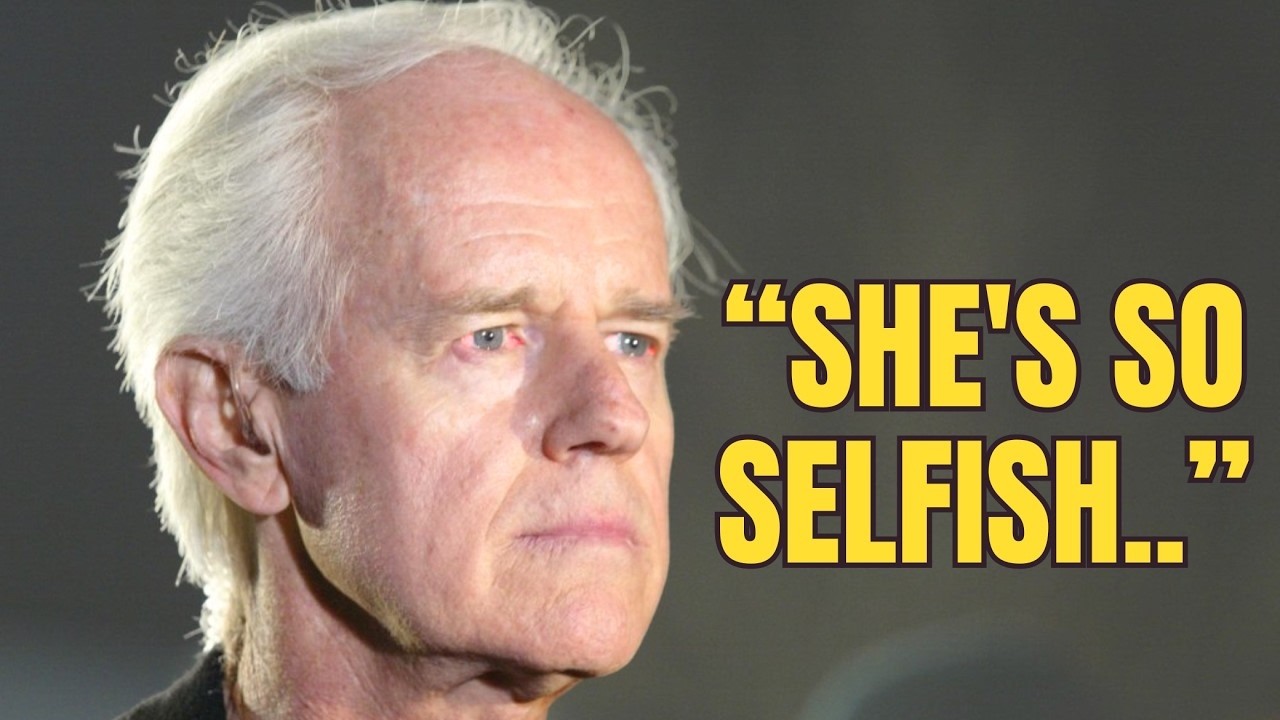
She later remembered Presley with genuine affection, describing the extraordinary effect he had whenever he entered a room. But Fabares’ most important relationship wasn’t with a Hollywood legend. It was with actor Mike Farrell. The two first met in 1970, but their relationship didn’t immediately become romantic.
Years later, their paths crossed again, and this time the connection was different. They married in 1984 and remained together for more than four decades. Their marriage was tested by one of the most frightening experiences of Fabares’ life. She developed serious liver disease and eventually required a liver transplant.
During the long wait for a donor, she and Farrell carried medical pagers, knowing that a call could come at any moment. In October 2000, Fabares received her transplant. Recovery wasn’t simple. Years later, she openly discussed the depression that followed, explaining that she had spent so much energy surviving physically that the emotional consequences arrived only after her body had begun to heal.
Farrell remained beside her through it all. Fabares also transformed her difficult experiences into advocacy. After losing her mother, Elsa, to Alzheimer’s disease in 1992, she became involved with the Alzheimer’s Association and spent years supporting awareness and research. Her story wasn’t simply about surviving illness.
It was about finding meaning afterward. She once described an extraordinary experience during her illness in which she felt she was leaving her body. What stayed with her wasn’t fear, but an overwhelming sense of peace. And even in that moment, she said her thoughts returned to two things: concern for whoever might find her, and gratitude toward Mike Farrell.
That detail may say more about their marriage than any Hollywood headline ever could. Fabares built a career playing characters audiences loved, but her greatest legacy may be the courage and warmth she carried into her private life. She survived enormous challenges, supported causes close to her heart, and shared decades with a husband who stood beside her through some of life’s hardest moments. As news of her passing brings renewed attention to her remarkable life, the memories remain.
Mary Stone, “Johnny Angel,” her films with Elvis, and above all, the quiet partnership she shared with Mike Farrell. Her career made her famous. Her resilience made her remarkable.
And her love story with Farrell became one of the most enduring chapters of her life.