What Exactly Is Fitness Anyway? Your Guide to Feeling Great
Ever feel like the word “fitness” is thrown around like some exclusive club pass, only for ripped gym buffs and marathon runners? You’re not alone. For too long, the fitness industry has made us believe it’s all about grueling workouts, restrictive diets, and chasing an “ideal” body type. But let me tell you, that’s a load of nonsense. Real fitness, the kind that actually makes a difference in your day-to-day life, is far simpler, more forgiving, and way more accessible than you might think.
Think about it this way: fitness isn’t just about how fast you can run or how much weight you can lift. It’s about having enough energy to play with your kids without getting winded, about feeling strong enough to carry your groceries in one trip, about getting a good night’s sleep, and frankly, about feeling good in your own skin. It’s a holistic thing, encompassing your physical strength, endurance, flexibility, mental well-being, and even your ability to handle stress. When these elements align, you don’t just “look” fit; you are fit, inside and out. And that, my friends, is a powerful feeling.
Why bother with fitness, though? Beyond the aesthetic stuff, which is often just a byproduct, the benefits are immense. You’ll likely notice a significant boost in your mood, thanks to those lovely endorphins. Your sleep quality will probably improve dramatically. You’ll probably find your brain feels sharper, and your body handles stress better. Long-term, you’re looking at a reduced risk of countless chronic diseases – heart disease, type 2 diabetes, certain cancers, you name it. Its not about living forever, but about living better, with more vitality and independence, for as long as possible.
Ditching the Dread: Finding Your Fitness Groove
So, you’re convinced fitness is important, but the idea of hitting a crowded gym or signing up for a CrossFit class makes your stomach churn. Good news: you absolutely don’t need to be a gym rat to get fit. Your best bet is to find activities you genuinely enjoy. If you dread your workout, you won’t stick with it. Simple as that. Forget what everyone else is doing; focus on what makes you feel good.
Starting small is the biggest secret weapon you have. Don’t try to go from zero to hero overnight. That’s a recipe for burnout and injury. Instead, pick one tiny change and commit to it. Maybe it’s a 10-minute walk around the block every morning. Perhaps it’s taking the stairs instead of the elevator whenever you can. Or parking a bit further away at the grocery store. These small, consistent efforts compound over time into massive results. You’ll be amazed at how quickly your body adapts and how much stronger you feel after just a few weeks of these micro-habits.
The “fun” factor is key here. If you enjoy it, you’ll keep doing it. Love to dance? Put on some music and just move! Enjoy the outdoors? Go for a hike, ride a bike, or kick a soccer ball around. Are you a social butterfly? Join a recreational sports league or find a walking buddy. Seriously, there are countless ways to move your body that don’t involve staring at yourself in a mirror while lifting weights. For instance, the sheer energy and precision required by K-Pop idols in their performances, like when Lisa confirms BLACKPINK’s FULL ALBUM COMEBACK?, shows you just how intense and physically demanding dancing can be – and how much fun it looks! Imagine getting even a fraction of that workout while just jamming in your living room.
Here are some easy ways to get started, no gym membership required:
- Walk everywhere you can. Even 15-20 minutes a day makes a huge difference.
- Take the stairs. Always.
- Dance like no one’s watching. Seriously, put on your favorite tunes.
- Try a free online workout video. YouTube is packed with options for every level.
- Get a jump rope. A few minutes a day is a killer cardio workout.
- Play active games with family or friends. Tag, catch, frisbee – anything that gets you moving.
Movement That Makes You Smile (And Sweat!)
Let’s talk about different types of movement. You don’t need to specialize in just one. A well-rounded fitness routine includes a mix of cardio, strength, and flexibility.
Cardio, or cardiovascular exercise, is anything that gets your heart rate up. This strengthens your heart and lungs, improves circulation, and boosts your endurance. Running is classic, sure, but so is brisk walking, cycling, swimming, rowing, or playing basketball. Even just marching in place vigorously can elevate your heart rate. Aim for at least 150 minutes of moderate-intensity cardio per week. That could be 30 minutes, five days a week. Pretty manageable, right?
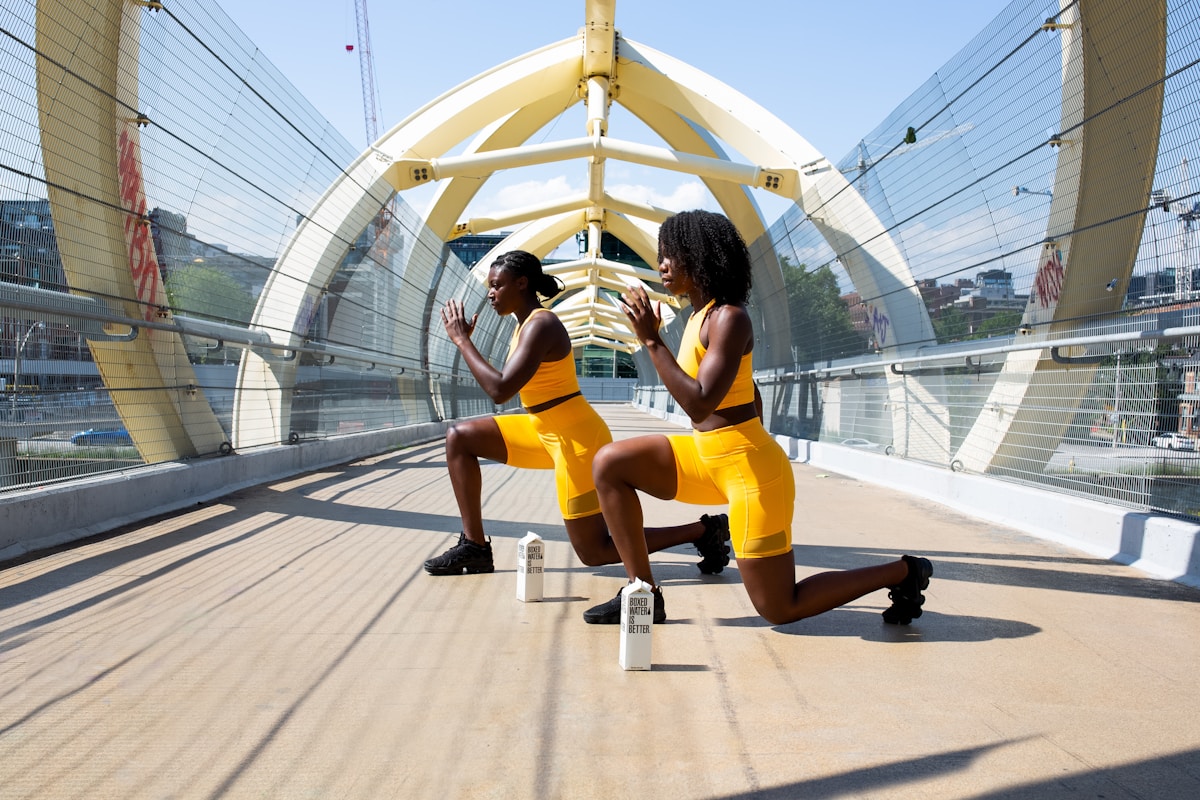
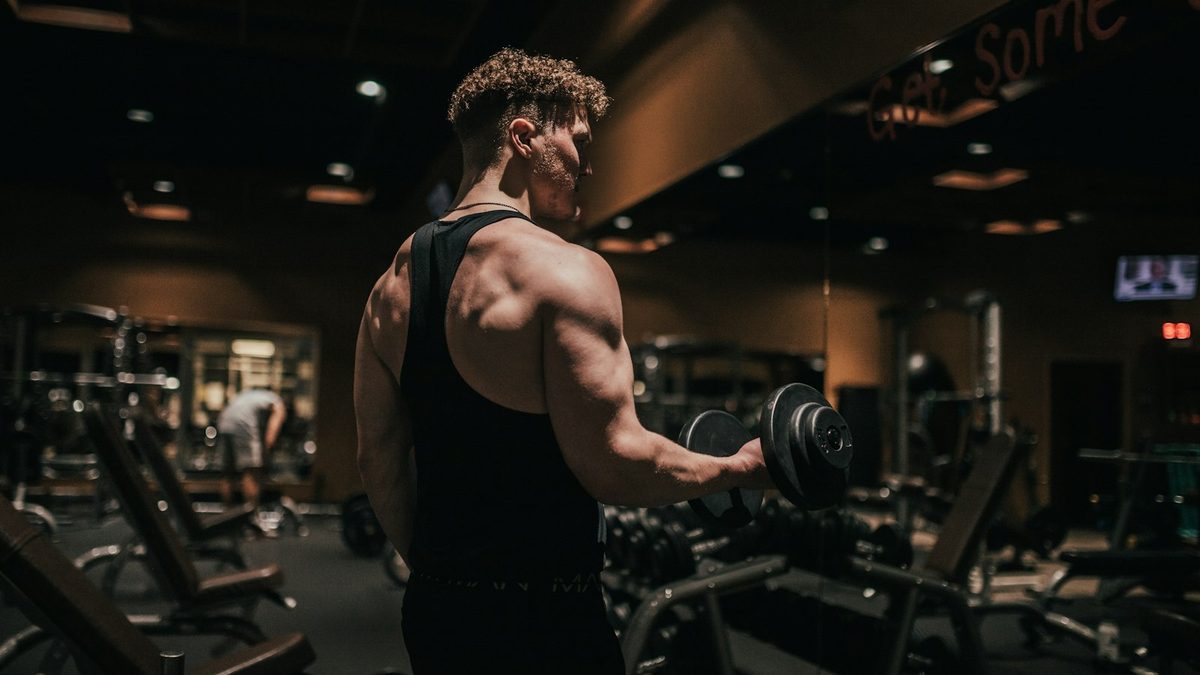
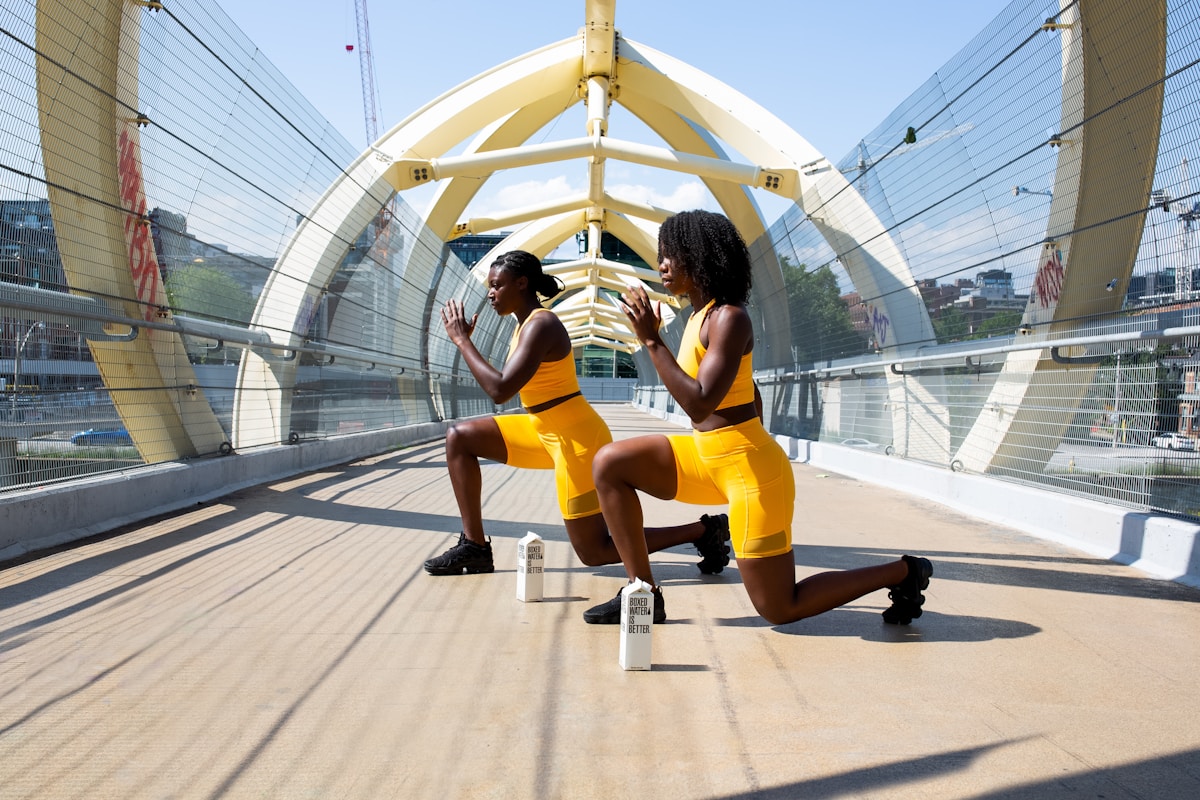
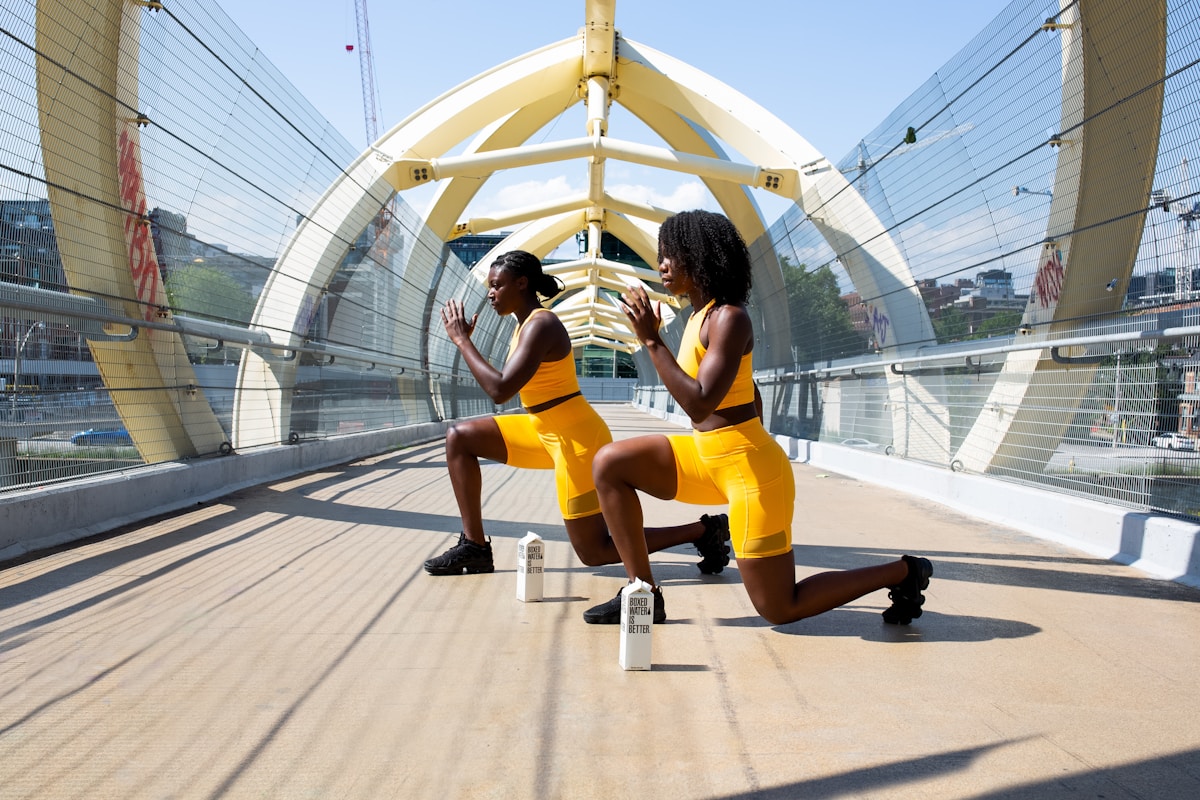
Then there’s strength training. Don’t let the word “strength” intimidate you; you don’t need to become a bodybuilder. Strength training builds muscle, which is fantastic for burning calories even when you’re at rest, improving bone density, and making everyday tasks easier. You can use your own body weight (push-ups, squats, lunges), resistance bands, or light dumbbells. A couple of sessions a week, hitting all major muscle groups, is all it takes to start feeling significantly stronger. You’ll be surprised how quickly you see progress.
And please, don’t forget flexibility. Stretching, yoga, or even just a few minutes of mobility work each day can prevent injuries, improve your range of motion, and help with muscle recovery. It’s the often-ignored component of fitness, but a truly important one.
Fueling Your Machine: Nutrition & Hydration Basics
You can’t out-exercise a bad diet. It’s a harsh truth, but it’s real. What you put into your body directly impacts your energy levels, recovery, and overall performance. Don’t fall for fads or restrictive diets. Your best bet is to focus on whole, unprocessed foods.
Think colorful fruits and vegetables, lean proteins (chicken, fish, beans, lentils), whole grains (oats, brown rice, quinoa), and healthy fats (avocado, nuts, olive oil). Eat when you’re hungry, stop when you’re full. That’s really the simplest advice. You don’t need to count every calorie or ban entire food groups. Just make healthier choices the majority of the time.
And water. Oh, water! It’s your body’s most essential nutrient. Dehydration saps your energy, impacts your focus, and can even mess with your metabolism. Aim for at least eight glasses of water a day, more if you’re exercising or it’s hot. Keep a water bottle handy; it’s a simple visual reminder to keep sipping throughout the day.
The Unsung Heroes: Sleep and Recovery
This is where so many people drop the ball. You can work out intensely and eat perfectly, but if you’re skimping on sleep and recovery, you’re doing your body a disservice. Sleep isn’t just “rest”; it’s when your body repairs itself, consolidates memories, and regulates hormones. Seriously, aim for 7-9 hours of quality sleep every single night. Make it a priority, not an afterthought. You’ll feel the difference, I promise.
Rest days are just as important as your workout days. Your muscles need time to repair and grow stronger. Pushing yourself too hard, day after day, leads to burnout, injury, and can actually hinder your progress. Listen to your body. If you’re feeling utterly exhausted or experiencing persistent muscle soreness, take a day off. Go for a gentle walk, stretch, or just chill. Recovery isn’t being lazy; it’s being smart.
Stress management also plays a huge role. Chronic stress can mess with your hormones, make you hold onto weight, and zap your motivation. Find healthy ways to cope: meditation, deep breathing, spending time in nature, or connecting with loved ones. A calm mind helps a fit body perform at its best.
Consistency is Your Secret Weapon
You know what beats intensity? Consistency. Showing up, day after day, even when you don’t feel like it, is where the magic happens. A short, consistent workout is always better than an epic one you do once a month. Don’t overthink it; just do something.
Set realistic, achievable goals. Instead of “I’m going to run a marathon next month” (unless you’re already a runner, in which case, go for it!), try “I’m going to walk for 20 minutes, three times this week.” That’s a goal you can actually hit, which builds confidence and momentum. As you consistently hit those smaller goals, you can gradually increase the challenge. And if you’re looking for some inspiration to get those steps in, remember,