The last public glimpse anyone had of Thy Mitchell was completely ordinary.
That’s what makes this story so unsettling.
There was no dramatic goodbye.
No cryptic message.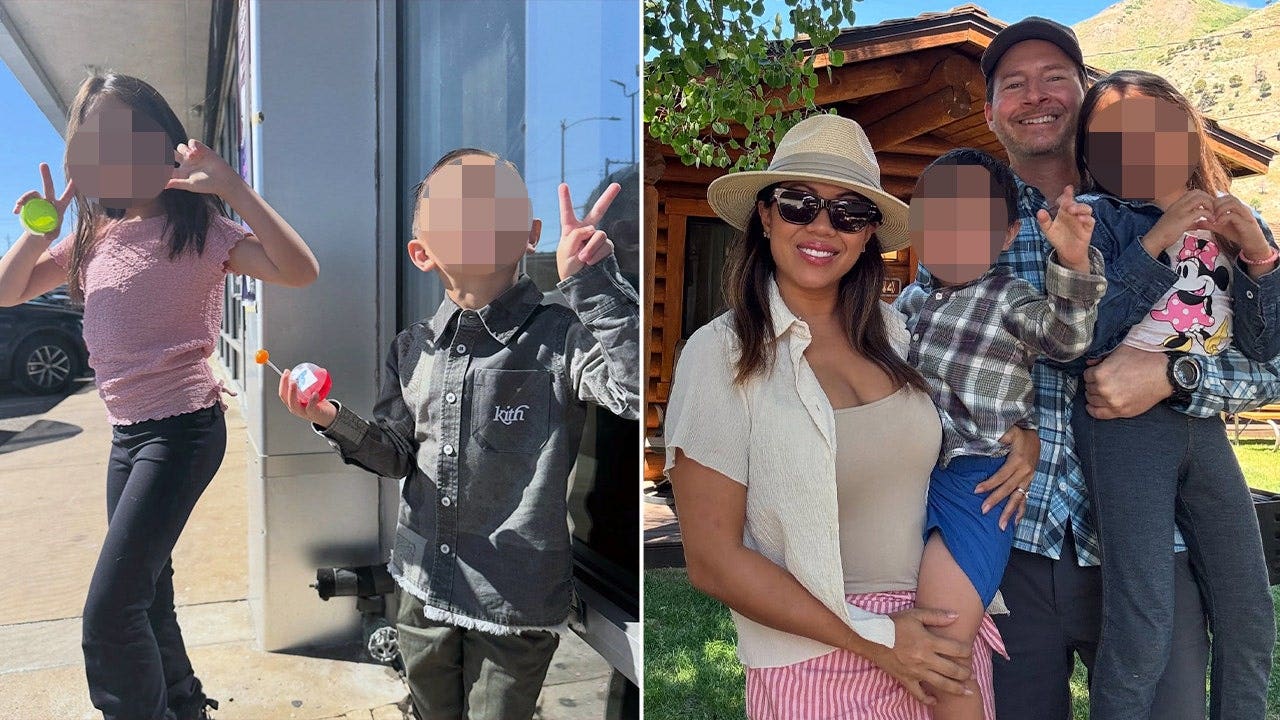
No social media post hinting that something was wrong.
Just a mother spending time with her daughter.
A family preparing for a wedding.
A successful business owner moving through another busy week.
Then silence.
For nearly three days.
At first, nobody thought much of it.
People miss calls.
Messages get buried.
Restaurant owners disappear into work all the time.
But the silence kept growing.
And eventually it became impossible to ignore.
When the babysitter arrived at the Mitchell family home and couldn’t get a response, concern quickly turned into fear.
The house sat in one of Houston’s most affluent neighborhoods.
Everything looked normal from the outside.
No broken windows.
No obvious signs of trouble.
Just a beautiful home sitting quietly behind closed doors.
But police would later discover that what had happened inside was anything but normal.
Investigators believe the violence occurred on Monday evening.
By the time officers entered the home, Thy Mitchell and her two children were dead.
Authorities would later identify the children as her 8-year-old daughter and 6-year-old son.
The news spread through Houston with incredible speed.
Not because people recognized the address.
Because they recognized the names.
Restaurant owners began texting each other.
Employees started calling coworkers.
Industry leaders struggled to process what they were hearing.
At first, many refused to believe it.
There had to be some mistake.
The Mitchells weren’t just another family.
They were one of Houston’s best-known hospitality success stories.
For years they had built businesses together.
Appeared at industry events together.
Accepted awards together.
Presented themselves as partners in every sense of the word.
Then investigators released the information that changed everything.
Authorities identified Matthew Mitchell as the primary suspect.
The same man who had helped build Traveler’s Table.
The same man who stood beside Thy at award ceremonies.
The same man who appeared in countless photos documenting their success.
Suddenly the story no longer felt like an unimaginable tragedy.
It became a question.
A question everyone seemed to be asking at the same time.
How could this happen?
Because when people hear about crimes involving strangers, they search for explanations outside the home.
When they hear about crimes involving families, they search for explanations inside the relationship.
And according to people who knew the couple, that’s where things became complicated.
Many described the Mitchells as ambitious.
Driven.
Focused.
Constantly working.
They had built multiple businesses while raising children and managing the pressures that come with entrepreneurship.
From the outside, they appeared united.
But as investigators began piecing together the timeline, another reality started emerging.
The life everyone saw publicly may not have reflected everything happening privately.
And that’s often the hardest truth for communities to accept.
Because people want warning signs.
They want obvious clues.
Something that allows them to believe tragedy only happens to other families.
Other marriages.
Other households.
But real life doesn’t always provide those comforts.
Sometimes the people smiling in photographs are carrying burdens nobody else can see.
Sometimes the strongest-looking families are struggling in complete silence.
And sometimes the people closest to the situation are the last to understand how serious things have become.
As details emerged, shock turned into grief.
Customers began leaving flowers.
Friends shared memories online.
Employees spoke about Thy’s generosity.
Industry leaders described her as a mentor.
A builder.
A connector.
Someone who genuinely wanted other people to succeed.
One tribute after another repeated the same theme.
Not her business success.
Not her awards.
Her kindness.
That’s what people remembered.
That’s what survived the headlines.
Meanwhile, questions about motive continued growing.
Investigators worked to understand what led to the violence.
What happened inside that house.
What triggered events that would leave three innocent lives lost and an entire community devastated.
For many people following the case, the motive almost seemed impossible to comprehend.
How does a family dinner become a crime scene?
How does a marriage become a tragedy?
How does a person spend years building a life only to destroy it in a matter of moments?
The answers may ultimately come through the investigation.
But even if every fact becomes known, there is a reality that remains difficult to escape.
No explanation will ever feel big enough.
No motive will ever feel sufficient.
Because there are some actions that permanently exceed understanding.
And perhaps that’s why this story hit Houston so hard.
Not because people knew the Mitchells personally.
Because they recognized them.
The working parents.
The entrepreneurs.
The couple building a future.
The family planning vacations, attending weddings, posting photos online.
In many ways, they looked like people we all know.
Maybe that’s why Thy’s final social media post keeps resurfacing.
A mother and daughter trying on dresses.
Laughing together.
Making memories.
The kind of ordinary moment most people scroll past without a second thought.
Today, those photos feel different.
Not because the images changed.
Because we know what happened afterward.
Three days later, the future captured in those pictures no longer existed.
The wedding would still happen.
The guests would still arrive.
Life would continue moving forward.
But the little girl trying on dresses with her mother would never be there.
Neither would the woman smiling beside her.
And that’s the detail that stays with people long after the headlines fade.
Not the crime scene.
Not the investigation.
Not even the suspect.
A mother spending an ordinary afternoon with her child, completely unaware that it would become one of the final memories anyone would ever see.
Because sometimes the most heartbreaking thing about a tragedy isn’t the moment everything ends.
It’s realizing how normal everything looked right before it did.
💬 What do you think is the biggest lesson from cases like this: that we never truly know what happens behind closed doors, or that warning signs are often invisible until it’s too late?


