The night of November 29, 1981, began like many Hollywood evenings, with laughter, conversation, and drinks aboard the yacht Splendor, anchored near Catalina Island. Natalie Wood, her husband Robert Wagner, and actor Christopher Walken were enjoying what was meant to be a private escape from the cameras and scrutiny that defined their lives. But beneath the seemingly ordinary surface, tensions simmered, and by the end of the night, the 43-year-old actress was dead in the water. The initial ruling was accidental drowning, but the case has never fully faded from public view.
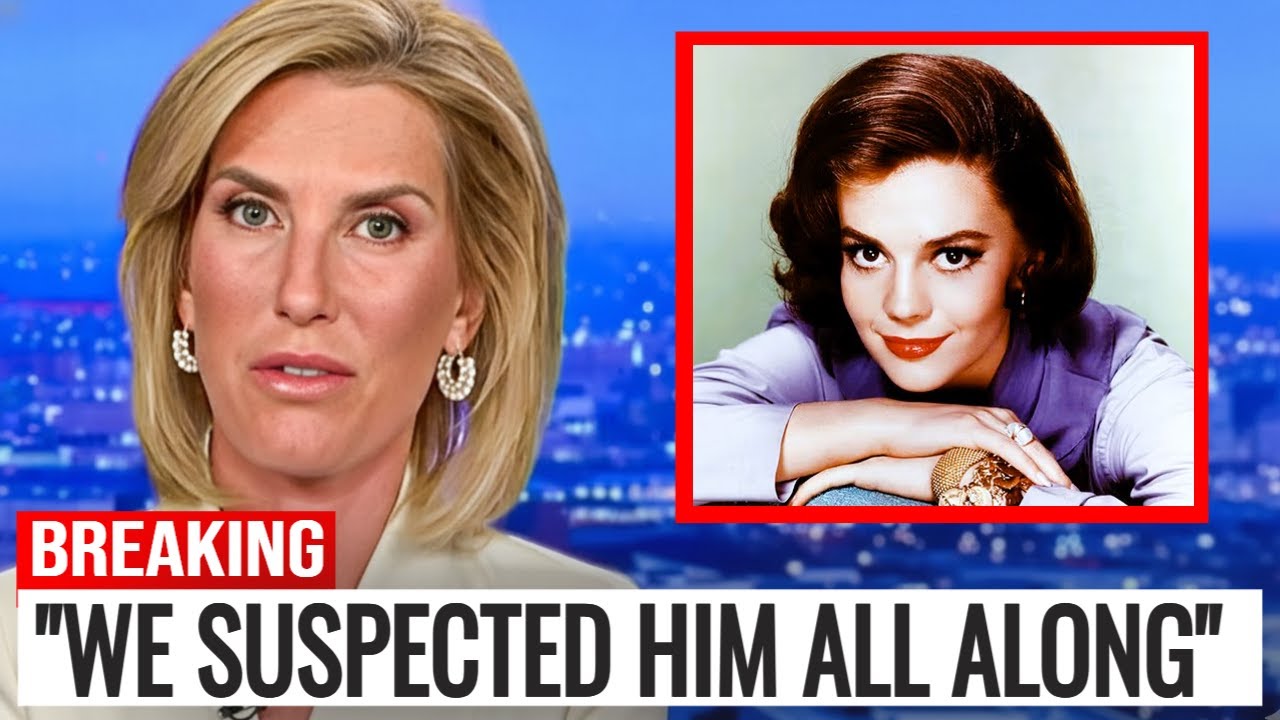
Born in San Francisco in 1938 to Russian immigrant parents, Wood grew up in a household where love and expectation were tightly intertwined. Her father worked as a garment worker, while her mother, a homemaker with deferred dreams, placed quiet pressure on her youngest daughter to excel. By age seven, Wood was attending Hollywood auditions, learning early that approval and applause were tied to flawless performance. The message was unmistakable, talent had to be nurtured, polished, and presented perfectly, and rejection left wounds that lingered long after the cameras stopped rolling.
Her breakthrough came in 1955 with Rebel Without a Cause, where she held her own alongside James Dean and projected a depth that seemed beyond her teenage years. Two years later, Westside Story brought new challenges and triumphs, demanding precision, stamina, and emotional honesty. Wood poured herself into every role, treating each scene as a proving ground where perfection was measured not just by the camera, but by her own unyielding standards. Yet behind her radiant smile, she carried a private fragility, a quiet ache that fame only amplified rather than healed.
Wood met Robert Wagner in the mid-1950s, and the two married in 1957. Their connection was immediate and magnetic, but their relationship existed under the relentless glare of public observation. Every gesture, every argument, every quiet moment was subject to analysis and gossip. The pressures of two demanding careers made trust difficult to sustain.
Wagner’s charm and ambition contrasted with Wood’s meticulous nature and deep sensitivity, and differences that might have been minor in private became magnified under the weight of celebrity. Their marriage was a delicate dance between devotion and external pressure, intimacy and isolation. On the night of her death, the yacht Splendor was anchored near Catalina Island. Witnesses later recalled Wood’s presence on deck, but the details of what happened remain fragmented.
At some point, she entered the water and did not return alive. The coroner ruled the cause of death as drowning, with alcohol cited as a contributing factor. The initial investigation interviewed those aboard the yacht and documented the scene, but the case carried an emotional weight that simple facts could not resolve. Media coverage erupted swiftly, oscillating between solemn remembrance and sensational speculation.
Headlines blended fact with conjecture, and the public was left with fragments rather than clarity. Wagner faced scrutiny and suspicion, with his every word analyzed, though investigators consistently noted there were no confirmed accusations of foul play. The official record remained consistent, Wood drowned, and alcohol contributed to her vulnerability. Still, the grief for those closest to her was complicated by unanswered questions and relentless public attention.
For decades, the story remained largely unchanged, but in 2011, the case was reopened after Dennis Davern, the yacht’s captain, publicly stated he had not shared every detail with investigators in 1981. The following year, the coroner amended the cause of death to drowning and other undetermined factors. The change did not declare foul play or identify wrongdoing. It simply acknowledged that new details, additional bruises, the absence of preserved evidence, and the natural decay of memory had introduced a margin of uncertainty.
Law enforcement consistently reaffirmed that there was no conclusive evidence to classify her death as homicide, though the case remained open. Wood’s legacy has evolved beyond the circumstances of her passing. Her daughters grew into adulthood carrying both the love and the loss of a mother whose fame once lit up screens around the world. Her films, including Rebel Without a Cause, Splendor in the Grass, and Westside Story, continue to reach new generations.
The investigations, revisions, and lingering uncertainties form only one chapter of her story. What endures is the life she lived, the artistry she offered, and the fragile humanity she carried so openly through a world that demanded perfection.


