John Denver spent decades presenting a wholesome, gentle image to the world, but the private reality of his life told a very different story. Behind hits like “Rocky Mountain High” and “Take Me Home, Country Roads” were legal troubles, a crumbling marriage, and personal struggles that only fully came into focus after his death. Born John Deutschendorf Jr. , Denver grew up in a strict military household.
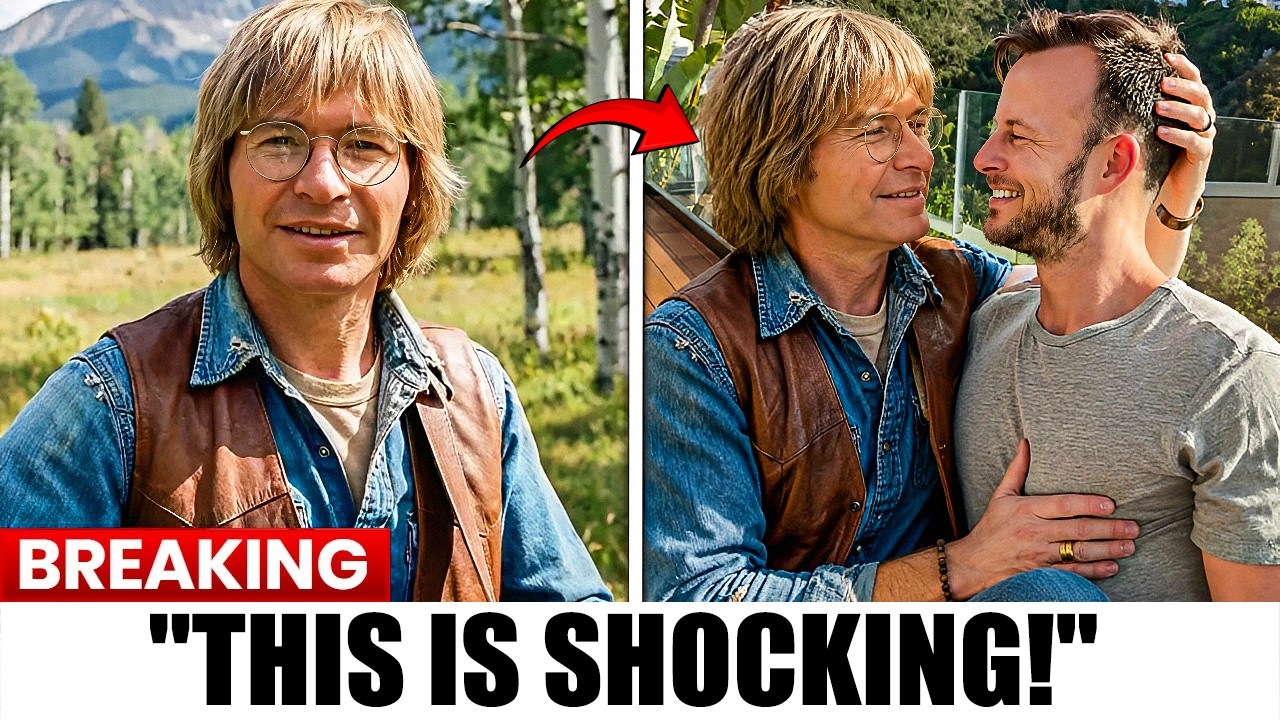
His father, a U. S. Air Force pilot, struggled to show affection, and the family moved constantly. As a teenager, Denver once stole his father’s car and drove to California in a desperate attempt to escape, but he was tracked down and brought home.
He finally left for good in 1963, dropping out of college and moving to Los Angeles. His stage name came from a practical problem: Deutschendorf was too long for a theater marquee, so he adopted “Denver” from a song his group was working on. Denver’s early career included stints with The New Christy Minstrels and the Chad Mitchell Trio, a satirical folk group. It was during a trio concert that he spotted Annie Martell, a college sophomore in the audience.
They didn’t speak that night, but Denver tracked her down, and they married within about a year, both still in their early twenties. His rise to fame was anything but instant. In 1967, unable to find a label for his solo material, Denver mailed copies of his album to family and friends as Christmas gifts. One of those songs, “Leaving on a Jet Plane,” eventually topped the charts.
Still, record labels hesitated to sign him, believing his clean-cut folk sound didn’t fit the rock-dominated era. RCA finally took the chance in 1969. The breakthrough came in 1971 with “Take Me Home, Country Roads,” followed by “Rocky Mountain High. ” The latter song sparked controversy when critics suggested the title referenced drug use, leading some radio stations to ban it.
The tension continued at the 1975 Country Music Association Awards, where presenter Charlie Rich set the award envelope on fire on live television, widely interpreted as a protest against Denver winning Entertainer of the Year. While his career soared, his marriage was struggling. After years of trying to have children, the couple adopted a son and daughter. Following a heated argument in the mid-1970s, Denver wrote “Annie’s Song” in about ten minutes on a ski lift, drawing on his emotions after reconciling.
But the romantic hit masked deeper problems. Martell later spoke openly about how Denver’s fame left her deeply insecure. Denver acknowledged his relentless touring schedule and growing success left little time for his family. At one point, he disappeared to Switzerland for nearly a week, returning only after an emotional phone call from his wife.
Years later, in his autobiography, Denver admitted he had been unfaithful and acknowledged his relationship with Martell had sometimes become physically aggressive. In 1982, Martell filed for divorce. During a meeting to divide their belongings, Denver reportedly became aggressive, allegedly trying to choke her. He also arrived carrying a chainsaw and cut their marital bed in half so they could each have a piece.
That same year, his father died unexpectedly. The two had grown close in later years, bonding over a shared love of flying, which his father had taught him. Denver also cut ties with his longtime manager, who responded by calling Denver a Nazi—an accusation particularly shocking given Denver’s history of peace and humanitarian work. In 1985, Denver was excluded from “We Are the World,” the massive charity single for African famine relief.
He expected to be included but wasn’t, and later admitted the rejection broke his heart. A reported joke by Willie Nelson, suggesting Denver would only become number one again if a bomb hit the studio, added to the sting. Denver had also been training with hopes of traveling into space, but after the Challenger disaster in 1986 killed all seven astronauts aboard, that dream ended. He wrote “Flying for Me” as a tribute.
Later that year, RCA dropped him from the label. Denver remarried in 1988 to Australian singer Cassandra Delaney. The relationship moved quickly but ended in divorce by 1993, with Denver later expressing frustration about how it ended. His personal difficulties began spilling into public view in 1993, when he was arrested for driving under the influence.
Less than a year later, he crashed his Porsche into a tree in Aspen and was again found to be intoxicated. The case ended with a deadlocked jury, but the FAA suspended his flying privileges, requiring him to demonstrate long-term sobriety before flying again. He never got the chance. In October 1997, Denver took off alone in an experimental aircraft he had owned for only about two weeks.
The plane had a fuel selector handle placed behind his right shoulder, requiring him to unbuckle his seatbelt and twist around to reach it. He had reportedly raised concerns about its location with a technician before takeoff. Investigators from the National Transportation Safety Board concluded that Denver likely reached behind himself to switch fuel tanks, pushing against the aircraft’s controls and sending the plane into a steep maneuver he couldn’t recover from. The crash into Monterey Bay, California, killed him.
Toxicology tests found no alcohol or drugs in his system, despite his past admissions of substance use and his two DUI arrests. The crash was attributed to pilot error. Denver left behind more than tragedy. In 2014, an exhibition of his previously unseen photographs offered fans a different look at the man behind the music.
His songs also became official state songs: “Take Me Home, Country Roads” in West Virginia and “Rocky Mountain High” in Colorado. He remains the only musical artist with songs officially adopted by more than one state. And every time those songs play, his voice still brings listeners back to the mountains and the open road he spent his life trying to capture.