27 August 2026
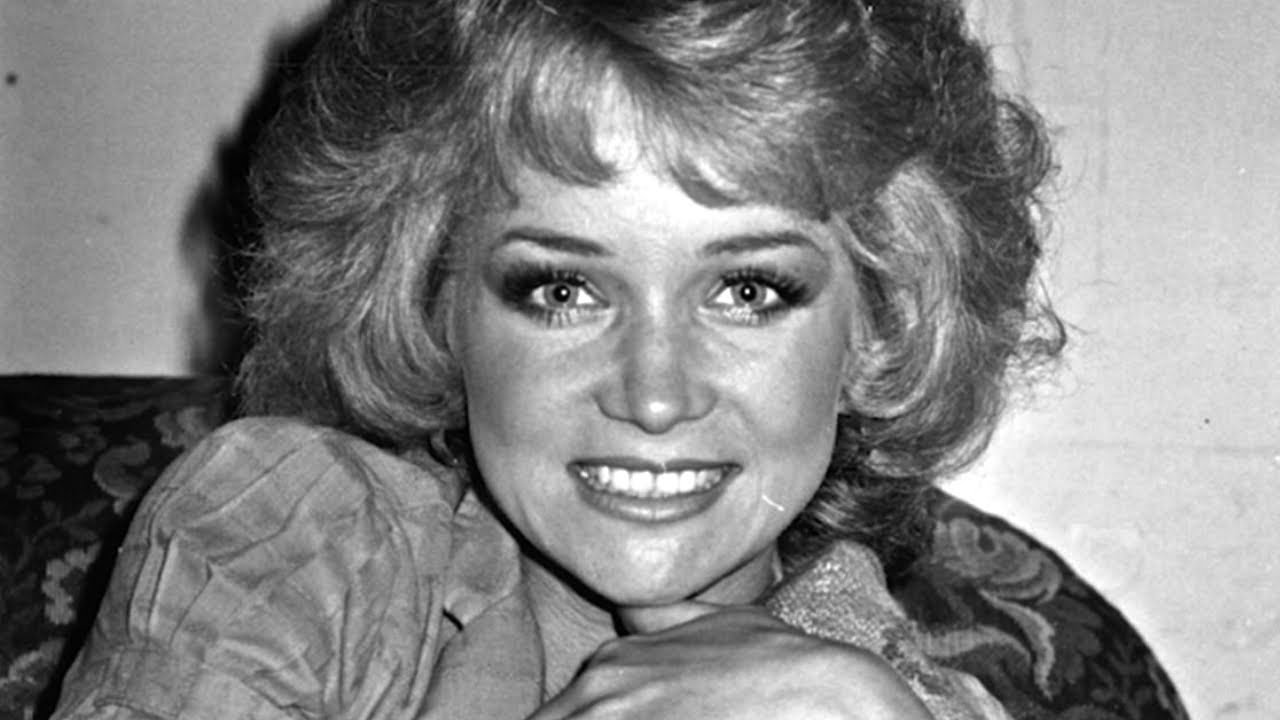
The final words of Edith “Big Edie” Bouvier Beale, the reclusive socialite and aunt of former First Lady Jacqueline Kennedy Onassis, were a chilling confirmation of a life lived entirely for the spotlight. As she lay on her deathbed at Southampton Hospital on February 5, 1977, her devoted daughter, “Little Edie,” leaned in and asked if she had any last words. Big Edie’s response was not a whisper of love or regret, but a final, haunting verdict on her own existence. “There’s nothing more to say,” she reportedly told her daughter. “It’s all in the film.” That film, the 1975 documentary “Grey Gardens,” captured a descent into squalor that has terrified and fascinated the public for decades. It is a riches-to-rags horror story that began in the gilded halls of New York high society and ended in a decaying, cat-infested mansion in East Hampton. Big Edie was born into the prestigious Bouvier family, a lineage she famously claimed descended from 14th century French kings. Her father, Major John Vernou Bouvier Jr. , was a powerful attorney and judge, and the family was firmly entrenched in the upper echelons of American aristocracy. As a Bouvier, she was surrounded by wealth, status, and power, and her connections grew even more extravagant when her brother, John Vernou Bouvier III, became the father of the future First Lady. But Big Edie was far from presidential material. Unlike her well-mannered siblings, she had a wild streak from the very beginning. She was stubborn, difficult to control, and her antics were so notorious that Bouvier historian John Davis once attributed them to her “French genes,” hinting at a natural inclination toward defiance. From the sound of it, she was more used to giving orders than taking them. By age ten, she had gained a reputation as a gifted singer and pianist, and while her family expected her to marry well and conform to high society norms, her true passion was music. She embraced the glitz and glamour of Manhattan’s elite circle, becoming a sought-after guest at society events. However, while she basked in the limelight, someone glowered from the sidelines. Her father had high expectations for his daughter, and they did not include late-night parties and voice lessons. He saw her passion for music and mischief as distractions from her real purpose: securing a respectable marriage. In Big Edie’s defense, good men were hard to find. It seemed she might fulfill her father’s hopes when she became engaged to Horace Rigland Allen, a promising society man. Their impending marriage had all of New York abuzz, but the fairy tale ending never came. In 1916, she and Horace called off their engagement, and he fled to the battlefields of World War I. Her next engagement would not be quite so scandalous, at least not at first. In 1917, she married Phelan Beale, a successful attorney 14 years her senior who would go on to become her father’s law partner. The wedding at St. Patrick’s Cathedral in New York City was a major affair, featuring an exclusive guest list and becoming one of the social highlights of the season. Everyone seemed thrilled, except the bride. For most brides, the dress is the highlight, but for Big Edie, her main concern was the music. She insisted on an extravagant choir and a soprano soloist, ensuring her passion for music took center stage on her big day. She got exactly what she wanted and then regretted it. Looking back, she later confessed that as she stood at the altar, she wished she had been the one performing the solo. Her love for music and performing left little room in her life for anything or anyone else. After their marriage, they had three children, two sons and a daughter named Edith, or “Little Edie,” to distinguish her from her mother. While her sons went on to lead conventional lives, Little Edie would become her mother’s closest companion and eventually her partner in a life of eccentricities. Big Edie refused to become a conventional society wife, gaining a reputation for being extravagant and passionately devoted to her own interests. In 1923, the couple bought Grey Gardens, a grand estate in the wealthy enclave of East Hampton. Nestled near the ocean, the property was picturesque, but it became the stage for her most dramatic performances. Unlike the stiff parlors of her socialite peers, Grey Gardens was a haven for artists and musicians. She surrounded herself with creatives and spent her days singing, playing the piano, and indulging in endless conversations about music and art. It was a world of her own making, one that did not include her husband. Big Edie did not just play music, she lived for it. She structured her days around practicing her operatic mezzo-soprano voice and entertaining guests. While other society wives played the role of modest hostess, she always took center stage. She hired an accompanist and performed at private parties and intimate venues, convinced she was destined for the professional stage. When she was not captivating audiences, she was turning heads with her fashion. While other East Hampton elites draped themselves in pearls and prim suits, she wore whatever she pleased, including kaftans, turbans, and layers of mismatched fabrics. She took pride in standing out, and she reportedly refused to have her name listed in the vaunted Social Register, causing a scandal among her Hampton’s neighbors. Her free-spirited ways were more than her poor husband could bear. Phelan Beale thought he had married a respectable Bouvier, only to watch her fall further into eccentricity. Her flamboyant bohemian lifestyle caused him great embarrassment. By 1931, her theatrical lifestyle had become too much, and he separated from her in a shockingly public rebuke, retreating to his hunting lodge. Big Edie remained at Grey Gardens alone, where her eccentric behavior only worsened. He provided child support but little else, refusing to pay alimony, leaving her for the first time in her life in a precarious financial situation. She refused to change her ways, unaware that her lavish lifestyle was about to come crashing down. By 1946, he had given up entirely, securing a divorce in Mexico.…