The sudden death of conservative activist Charlie Kirk has spiraled into a vortex of public distrust, as prominent figures Joe Rogan and Candace Owens have independently cast doubt on the official narrative, pointing to a series of logistical impossibilities and chilling coincidences that they argue defy logic. Their combined scrutiny has transformed a tragic news story into a full-blown national controversy, with millions now questioning whether the public is being told the complete truth about the events that unfolded at Utah Valley University. The pushback from these high-profile voices is not merely about skepticism; it is a demand for transparency in a case where the provided answers seem to generate more questions than they resolve.
At the heart of the controversy is a timeline that appears to collapse under the weight of its own details. The official account states that 22-year-old Tyler Robinson acted alone, using an antique World War I rifle belonging to his grandfather to carry out the assassination during a student Q&A event. However, Rogan, during a recent episode of his podcast, expressed outright disbelief at the mechanics of the crime, specifically the claim that Robinson disassembled the century-old weapon, transported it in a backpack, and reassembled it on a rooftop before firing.
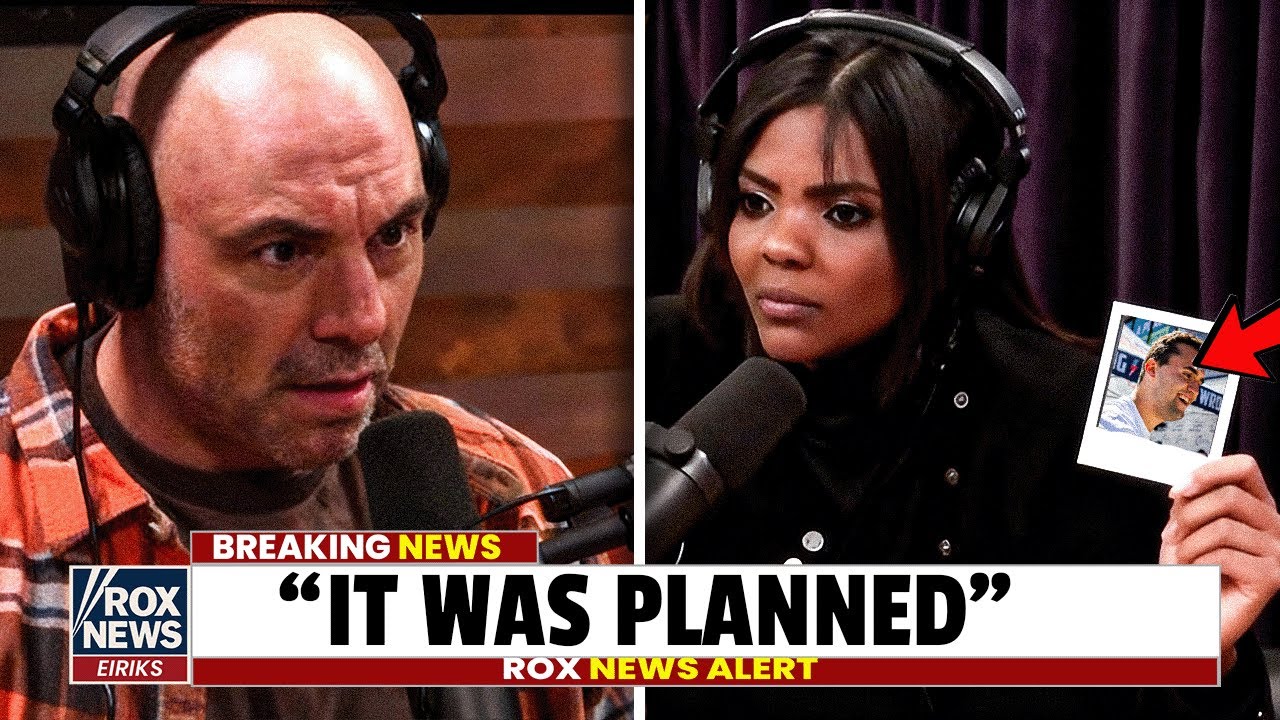 Rogan’s incredulity was palpable as he described the sheer impracticality of the scenario, noting the size and complexity of such a firearm and the unlikely skill set required for a young civilian to execute such a maneuver under pressure.
Rogan’s critique did not stop at the weapon itself, as he delved into the operational security of the alleged shooter’s plan. He questioned how Robinson could have accessed the rooftop undetected, how he established a line of sight without being noticed by security, and how he managed to escape a 14-foot drop without injury. The podcast host argued that the story lacks the coherence of a real-world event, suggesting that the narrative feels manufactured or, at the very least, heavily embellished.
He pointed out that for a campus with hundreds of attendees, the absence of a drone or security sweep to check the surrounding rooftops seems like a catastrophic oversight that strains credulity.
Adding to the bizarre nature of the case is the presence of a “decoy” suspect who was arrested at the scene, a man who allegedly shouted that he had committed the crime and reportedly removed his pants. Rogan highlighted that this individual has a documented history of appearing at major national tragedies, including the September 11th attacks and the Boston Marathon bombing. The statistical improbability of one person being present at multiple catastrophic events, only to be arrested on unrelated child-related charges immediately after the Kirk shooting, has led Rogan and others to speculate about the existence of a professional disinformation agent or a “plant” designed to muddy the investigative waters.
Candace Owens has taken her investigation a step further, claiming to have spoken with sources who possess written communication from Kirk indicating he feared for his life the day before his death. She stated that Kirk told three separate people that he believed “they” were going to 𝓀𝒾𝓁𝓁 him, a revelation that suggests the victim had prior knowledge of a specific threat. Owens is publicly pleading with these individuals to come forward, arguing that their testimony is crucial to uncovering the identity of the “they” Kirk referenced.
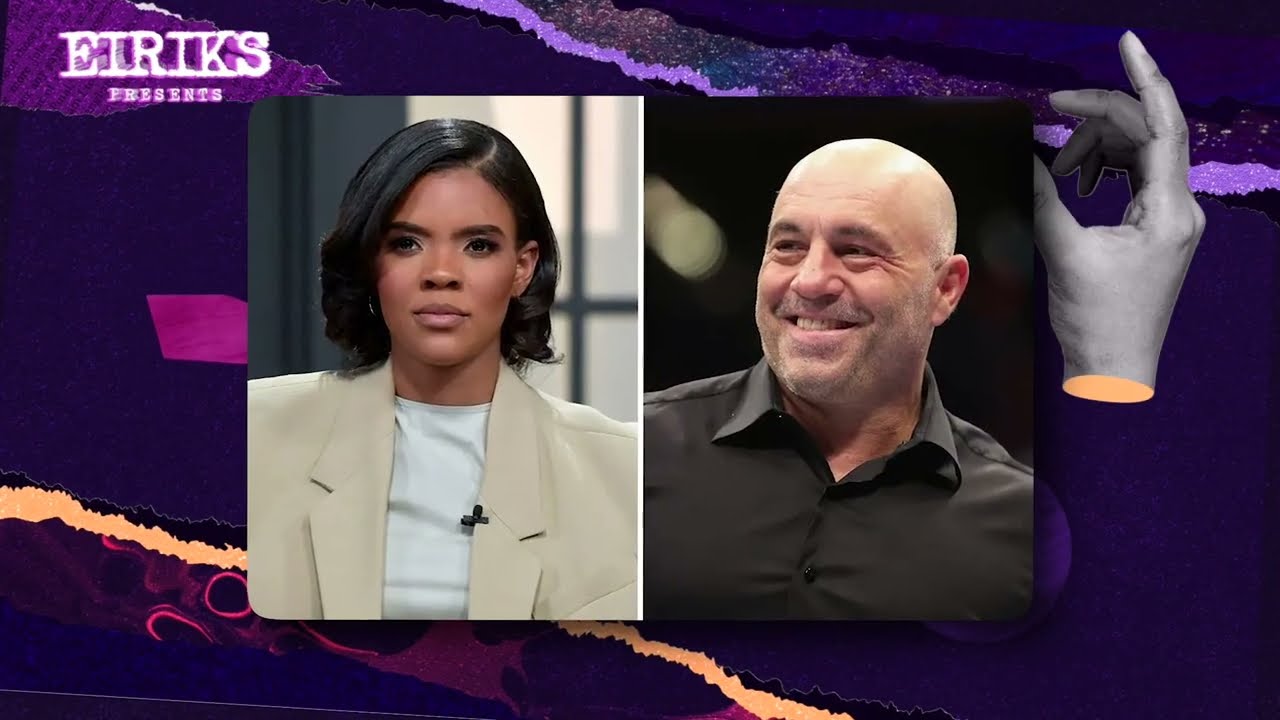 She emphasized that two of these witnesses have text messages from Kirk that corroborate her claims, making the information verifiable and impossible to dismiss as hearsay.
The timeline of Kirk’s fear is compounded by his own public statements regarding financial irregularities within his organization, Turning Point USA. Just one week before his murder, Kirk announced a massive internal audit, claiming that millions of dollars were missing. Owens and Rogan have both noted the suspicious proximity of this audit announcement to his death, suggesting a potential motive that extends far beyond a lone gunman with an antique rifle.
The question of who might have been threatened by this audit has become a central point of contention, with many demanding to know if the financial investigation was a catalyst for the violence.
Further fueling the suspicion is the tracking of a military aircraft that flew from Texas to Utah on the day of the assassination. Owens revealed that a plane with tail number N1098L, which has a history of military use, arrived in the area around the time of the shooting and flew at an unusually low altitude. She has demanded answers from FBI Director Kash Patel regarding the aircraft’s mission and who contracted it, noting that the plane is owned by Lassai Aviation LLC.
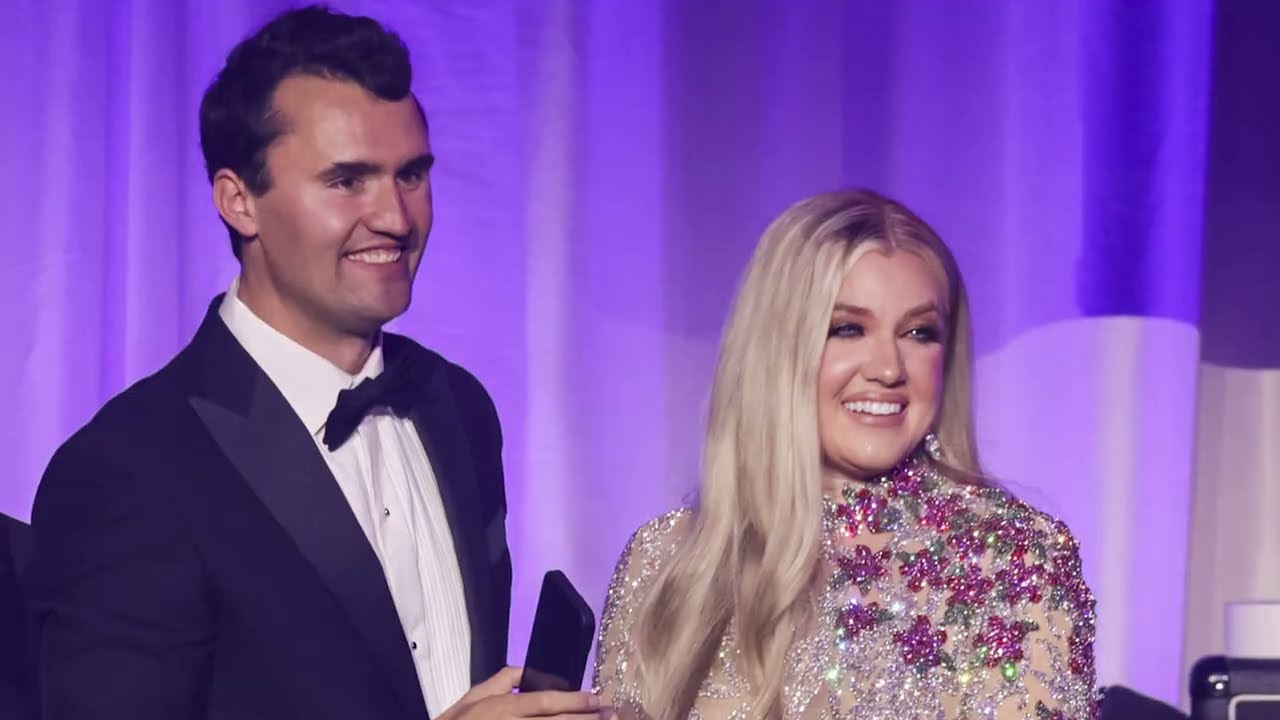 The lack of response from federal authorities regarding this specific detail has only intensified the belief that the official story is incomplete.
Owens has been unequivocal in her assessment, stating that the evidence points to a military-style operation rather than the act of a deranged individual. She argues that the coordination required for the shooting, combined with the presence of the aircraft and the subsequent handling of the suspect, indicates a level of sophistication that a 22-year-old would not possess. Her assertion that “the more you peel back the onion, it is very obvious this was a military operation” has resonated with a public that is increasingly skeptical of institutional narratives.
The behavior of Kirk’s widow, Erica, has also become a topic of intense scrutiny, despite the sensitivity surrounding her grief. Owens and other commentators have noted that Erica assumed control of Turning Point USA within 72 hours of her husband’s death, appearing in content and smiling just days after witnessing his public execution. While acknowledging that grief manifests differently in individuals, critics have argued that the rapid transition to a leadership role, coupled with the ongoing financial questions, warrants a closer examination of the organization’s internal dynamics.
The media’s portrayal of the suspect’s family has also come under fire, with Owens claiming that the narrative of a father turning in his guilty son is false. She alleges that Tyler Robinson’s parents do not believe he committed the crime and that he was persuaded to surrender by a family friend, a former detective, under the threat of a SWAT team raid. Owens further claims that Robinson has never even visited the UVU campus, having been accepted to a different university, which raises the question of how he could have possessed the intimate knowledge of the campus layout required for the shooting.
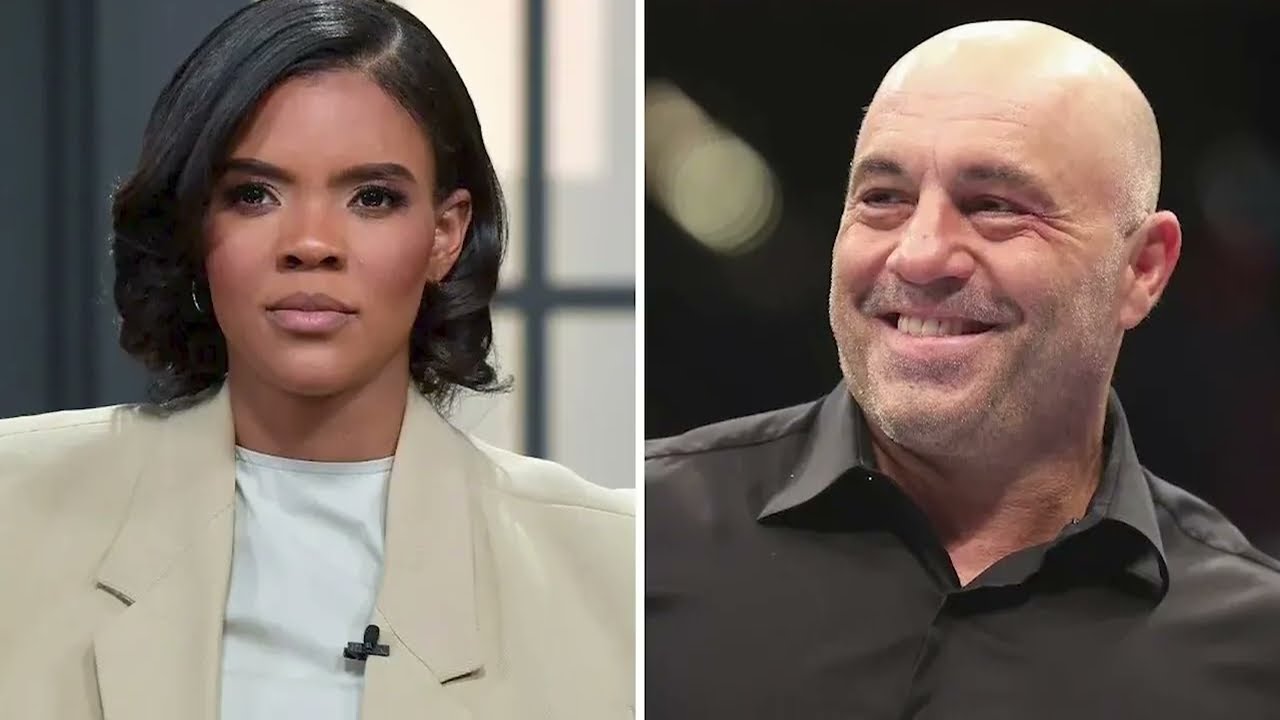 Rogan has also addressed the broader societal implications of the murder, lamenting the deep political divisions that have led some to celebrate Kirk’s death. He described the moment as “surreal” and expressed horror at the idea that anyone could cheer the assassination of a political opponent. His commentary highlights the toxic environment in which this tragedy occurred, suggesting that the hostility surrounding the event may have contributed to a climate where violence is seen as an acceptable solution to ideological differences.
The convergence of these anomalies—the impossible weapon, the decoy suspect, the prior warnings, the military plane, the financial audit, and the widow’s rapid ascension—has created a narrative that many find impossible to accept at face value. Owens has framed the public’s skepticism as a patriotic duty, arguing that the best way to honor Kirk’s memory is to continue asking the hard questions he dedicated his life to asking. She has rejected calls for silence, asserting that grieving does not excuse the dissemination of false information.
As the pressure mounts, the silence from federal agencies and the leadership of Turning Point USA has become deafening. The lack of a clear, coherent response to the specific allegations raised by Rogan and Owens is, in itself, a story. In an era where information is instantaneous, the absence of transparency is often interpreted as an admission of guilt.
The public is left to piece together a puzzle where the official picture does not match the available evidence, and the demand for a more thorough investigation is growing louder by the hour.
This is not merely a case of conspiracy theorists spinning wild tales; it is a situation where two of the most influential media figures in the country are using their platforms to point out glaring inconsistencies in a murder investigation. Their combined reach ensures that these questions will not be easily dismissed. The pressure is now on law enforcement and the FBI to provide a level of detail that satisfies the public’s demand for truth, or risk a complete erosion of confidence in the justice system.
The legacy of Charlie Kirk, a man who built his career on challenging the status quo, may ultimately be defined by the unanswered questions surrounding his own death.