Rumors have circulated for years that Dolly Parton reportedly kept a list of celebrities she wanted kept away from her funeral, with some names linked to painful moments in her career and others connected to relationships that turned complicated over time. But how much of that story is actually true? Porter Wagoner played one of the most important roles in Dolly Parton’s early career. In 1967, he gave her her big television break on The Porter Wagoner Show, introducing her to millions of viewers.
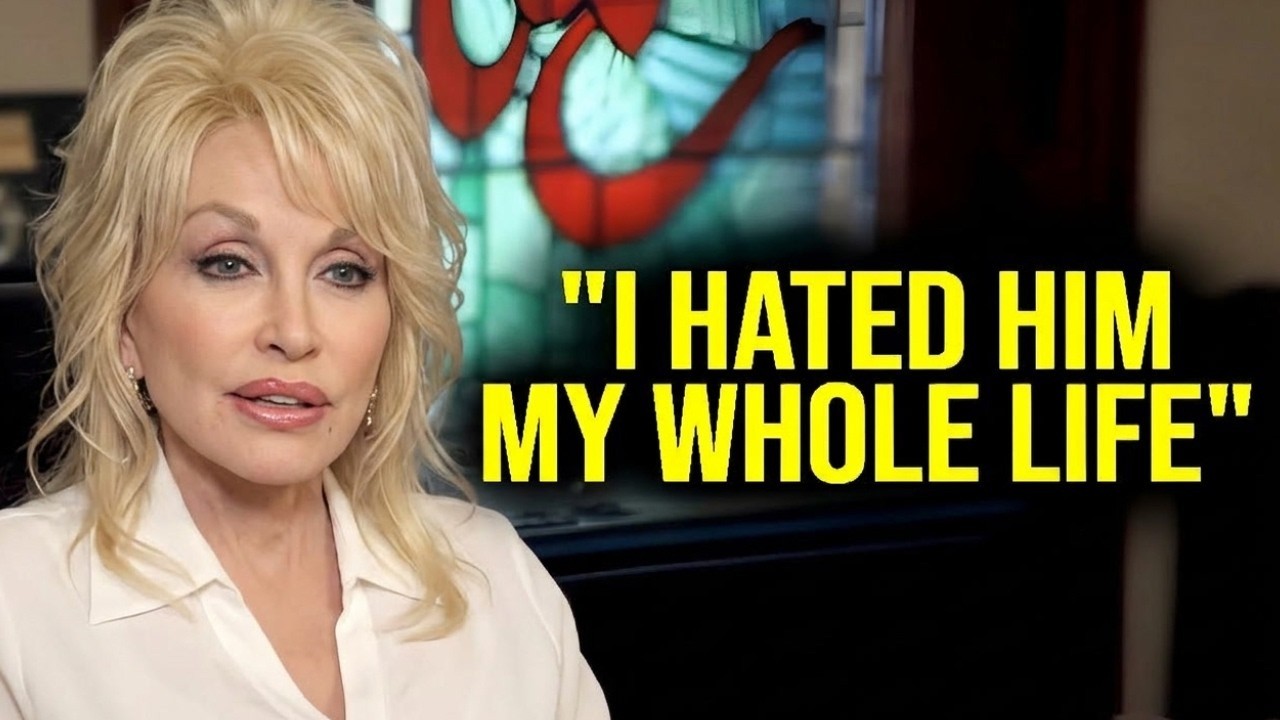
When Parton decided to leave the show and pursue her own path, their relationship became strained. She wrote “I Will Always Love You” as a farewell to Wagoner, a gesture that would later become one of the most famous songs in music history. Years later, Wagoner sued Parton over business and contractual issues, opening another difficult chapter between them. Despite the legal fight, the two eventually reconciled.
Parton stayed concerned about him during his illness and attended his funeral after his death in 2007. Their story, though complicated, ended with forgiveness rather than lasting resentment. Wilco frontman Jeff Tweedy became connected to Parton through an unexpected controversy involving the same iconic song. During an interview, Tweedy discussed music that did not personally connect with him, and Dolly’s famous anthem came up in the conversation.
His remarks were quickly amplified online, with some portraying them as an attack on Parton herself. But there is little evidence of an actual feud. Tweedy was expressing his personal musical taste, not attacking Parton directly, and the internet turned an opinion about a song into a much larger celebrity story. Linda Ronstadt joined Parton and Emmylou Harris for the legendary album Trio, bringing together three of the most respected female voices in music.
Getting the project completed, however, was far from easy. Scheduling conflicts, record label complications, and creative differences delayed the album for years. When Trio finally arrived in 1987, it became a major success, reaching number one on the Billboard Country Albums chart and winning a Grammy. While the three women had different musical approaches, there is no solid evidence of a serious personal feud between Parton and Ronstadt.
Emmylou Harris was already a respected country star when she joined Parton and Ronstadt for Trio. Harris contributed her traditional country style and emotional vocal approach, Parton brought her songwriting and distinctive personality, and Ronstadt added her broad musical experience. The three artists didn’t always agree on music or scheduling, but those differences helped shape the album’s final sound. Their successful collaboration, followed by the eventual release of Trio 2 in 1999, suggests professional disagreements never destroyed their friendship or mutual respect.
Whitney Houston’s connection to Parton is one of the most fascinating stories in this entire narrative. Parton wrote “I Will Always Love You” as a farewell to Porter Wagoner. Nearly two decades later, Houston recorded it for The Bodyguard and transformed it into a worldwide phenomenon. Instead of resenting Houston for making the song more famous than her original version, Parton publicly praised her performance and continued to benefit financially as the songwriter.
After Houston’s death in 2012, Parton was deeply moved when her song was played at Houston’s funeral. Their story appears to be one of admiration and mutual respect, not rivalry. Miley Cyrus, Parton’s goddaughter, had perhaps the most personal connection to her. Parton watched Cyrus grow from a Hannah Montana child star into an adult performer who constantly reshaped her music and public image.
Even when Cyrus became controversial, Parton generally supported her rather than condemning her publicly. She appeared on Hannah Montana, performed alongside Cyrus, and continued offering advice over the years. Their bond illustrates Parton’s willingness to let Cyrus make her own choices while still remaining a steady, supportive presence.
These stories may sound shocking on the surface, but the documented relationships paint a far more complicated—and often far more forgiving—picture of Dolly Parton’s connections to some of the biggest names in entertainment.