On March 8, 2014, Malaysia Airlines Flight MH370 vanished from the sky.
239 people were aboard.
No distress call was made.
No confirmed wreckage was found for years.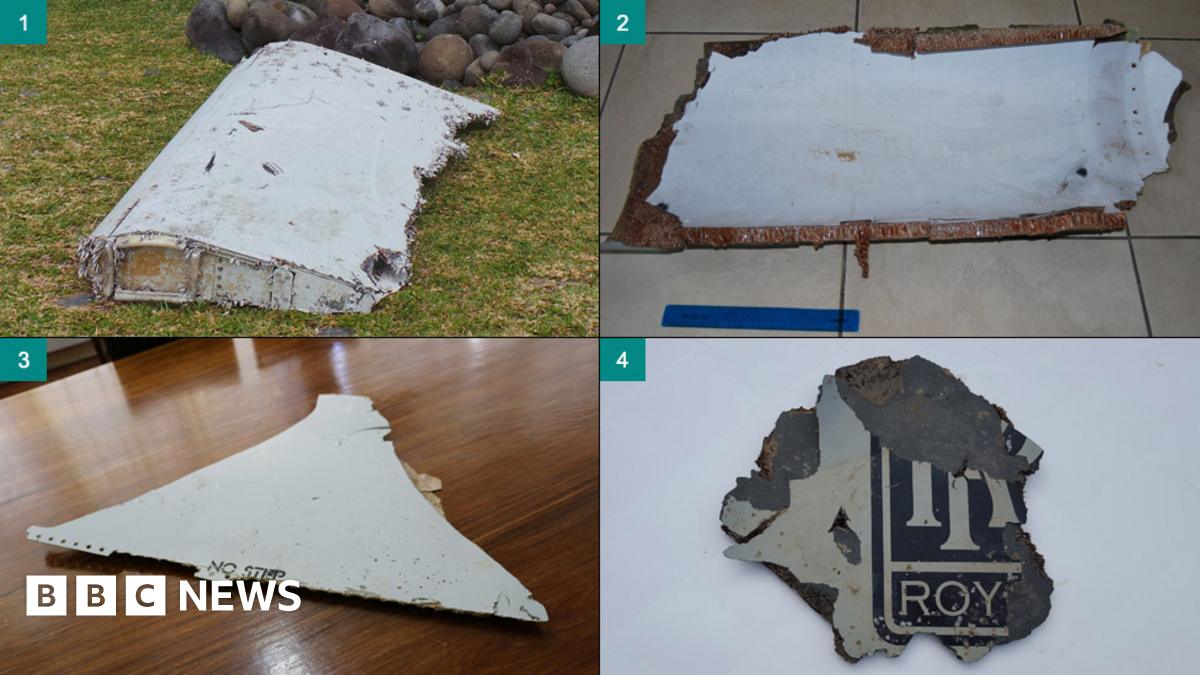
And despite one of the largest and most expensive searches in aviation history, the world’s greatest aviation mystery remained unsolved.
For more than a decade, theories have ranged from catastrophic mechanical failure to hijacking, pilot incapacitation, and even government conspiracies.
But a new analysis of previously overlooked radar and flight-control data is forcing investigators to reconsider everything.
Because the most disturbing possibility is not that something suddenly went wrong.
It’s that almost everything went exactly according to plan.
The Missing Digital Puzzle Piece
For years, investigators focused on satellite handshakes, military radar returns, and debris recovered from remote beaches across the Indian Ocean.
Those clues helped establish where MH370 likely ended its journey.
But they never fully explained how the aircraft disappeared.
Now, aviation researchers studying a little-known collection of Malaysian air traffic control records believe they may have uncovered the missing piece.
Unlike earlier datasets that contained timing inconsistencies and incomplete tracking information, this newly examined radar archive provides a far more detailed reconstruction of the aircraft’s final known movements.
What makes the data remarkable is not where MH370 flew.
It’s how precisely critical systems were disabled.
Instead of revealing chaos, the records suggest extraordinary control.
Every action appears deliberate.
Every step appears measured.
And every second appears calculated.
The Moment MH370 Disappeared
Shortly before MH370 vanished from civilian radar, the flight was proceeding normally.
The Boeing 777 was cruising at altitude and following its assigned route toward the IGARI waypoint over the South China Sea.
Then something happened.
Exactly as the aircraft passed the waypoint, its transponder stopped transmitting.
To most observers, that seemed like a sudden disappearance.
But according to investigators studying the detailed timeline, the evidence suggests something different.
The transponder did not fail catastrophically.
It was switched off.
Not instantly.
Not through an electrical malfunction.
But through a deliberate manual action.
On a Boeing 777, disabling the transponder requires physical interaction with a control panel inside the cockpit.
The action is simple for a trained pilot.
But it cannot happen accidentally.
The aircraft didn’t disappear because it broke.
It disappeared because someone made it disappear.
The Silence Inside the Cockpit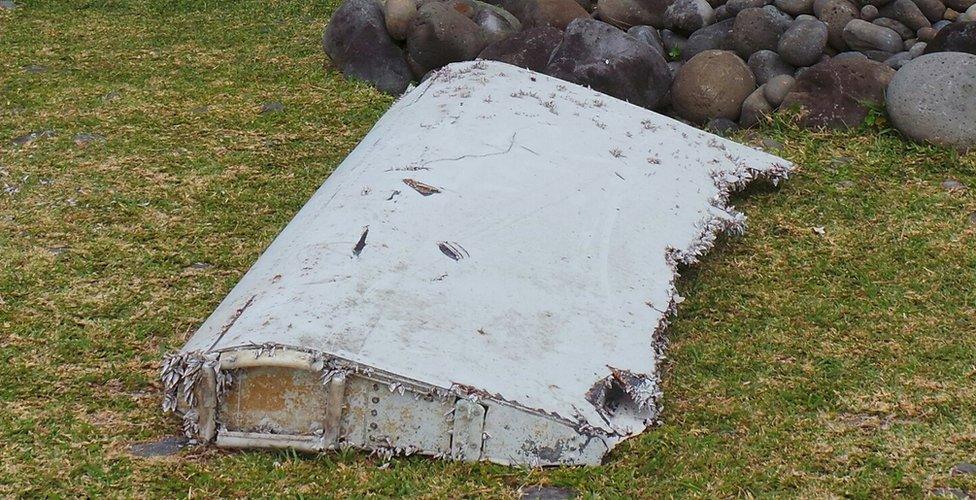
What investigators find most unsettling is the absence of evidence.
There are no signs of a struggle.
No abrupt changes suggesting a fight for control.
No erratic movements typically associated with panic or emergency.
Instead, radar data indicates the aircraft maintained stable flight while communication systems were systematically disabled.
The calmness of the sequence has become one of the strongest arguments against many earlier theories.
If there had been a fire, explosive decompression, or sudden mechanical failure, investigators would expect to see disorder.
Instead, they see precision.
The cockpit appears to have remained under controlled command throughout the critical moments.
That realization changes everything.
The Turn That Changed the Investigation
After disappearing from civilian radar, MH370 executed one of the most extraordinary maneuvers in modern aviation history.
The aircraft turned back toward Malaysia.
Then continued across the Malay Peninsula.
Then out over the Andaman Sea.
Military radar tracked portions of this journey.
What stands out is how carefully the aircraft navigated.
The route was not random.
It followed corridors that reduced the likelihood of detection.
The turns were controlled.
The altitude changes were purposeful.
The aircraft behaved less like a crippled airliner and more like a machine being guided by someone who understood exactly how air traffic surveillance worked.
Investigators began asking a troubling question:
Was the aircraft trying to avoid being seen?
The Chilling Possibility
As analysts reconstructed the flight path, another disturbing theory emerged.
Some researchers believe the aircraft may have been intentionally depressurized.
At cruising altitude, loss of cabin pressure creates a deadly race against time.
Passengers and crew have only minutes before oxygen deprivation begins affecting judgment, consciousness, and eventually survival.
If such an event occurred while the cockpit remained isolated, the consequences would be devastating.
The aircraft could continue flying for hours while everyone behind the reinforced cockpit door became incapacitated.
The horrifying aspect of this scenario is its simplicity.
No violence.
No dramatic confrontation.
No obvious signs of struggle.
Just a quiet aircraft continuing through the darkness while those aboard gradually lost consciousness.
Although this theory remains unproven, many investigators consider it one of the few explanations that aligns with the available evidence.
A Flight Guided by Human Hands
Perhaps the most important conclusion from the newer analyses is that MH370 was unlikely to have been flying solely on autopilot during key portions of its disappearance.
The radar track shows multiple heading adjustments and course corrections.
These changes do not resemble the behavior of a disabled aircraft drifting aimlessly.
They resemble decisions.
Each turn appears intentional.
Each adjustment suggests active control.
Someone was flying the airplane.
The question that continues to haunt investigators is who—and why.
The Search Continues
Despite years of searching, the main wreckage of MH370 has never been conclusively located.
Pieces of the aircraft have washed ashore across the western Indian Ocean, confirming that the plane ended its journey in the sea.
But the final resting place remains hidden beneath one of the most remote regions on Earth.
And until the wreckage is found, many questions may never be answered.
What happened inside the cockpit?
Why were communication systems disabled?
What was the purpose of the aircraft’s extraordinary route?
And what happened during the final hours after radar contact was lost?
For more than ten years, MH370 has remained one of aviation’s greatest mysteries.
But the emerging data suggests something increasingly difficult to ignore.
The disappearance may not have been the result of a sudden disaster.
It may have been the execution of a carefully planned sequence of actions carried out with chilling precision.
And if that conclusion is correct, the most terrifying part of the MH370 story is not that the aircraft vanished.
It’s that someone may have known exactly where it was going all along.