Claudette Robinson and Smokey Robinson appeared to have it all: young love, a groundbreaking musical partnership, and a front-row seat to Motown’s meteoric rise. Behind the records and red carpets, however, their marriage carried wounds that fame could not hide—devastating losses, painful betrayals, addiction, and eventually a legal dispute over the very songs they helped build. The couple’s story began in Detroit, where Smokey was still a teenager collaborating with Claudette’s brother, Emerson “Sunny” Rogers. When Sunny was drafted into the U.
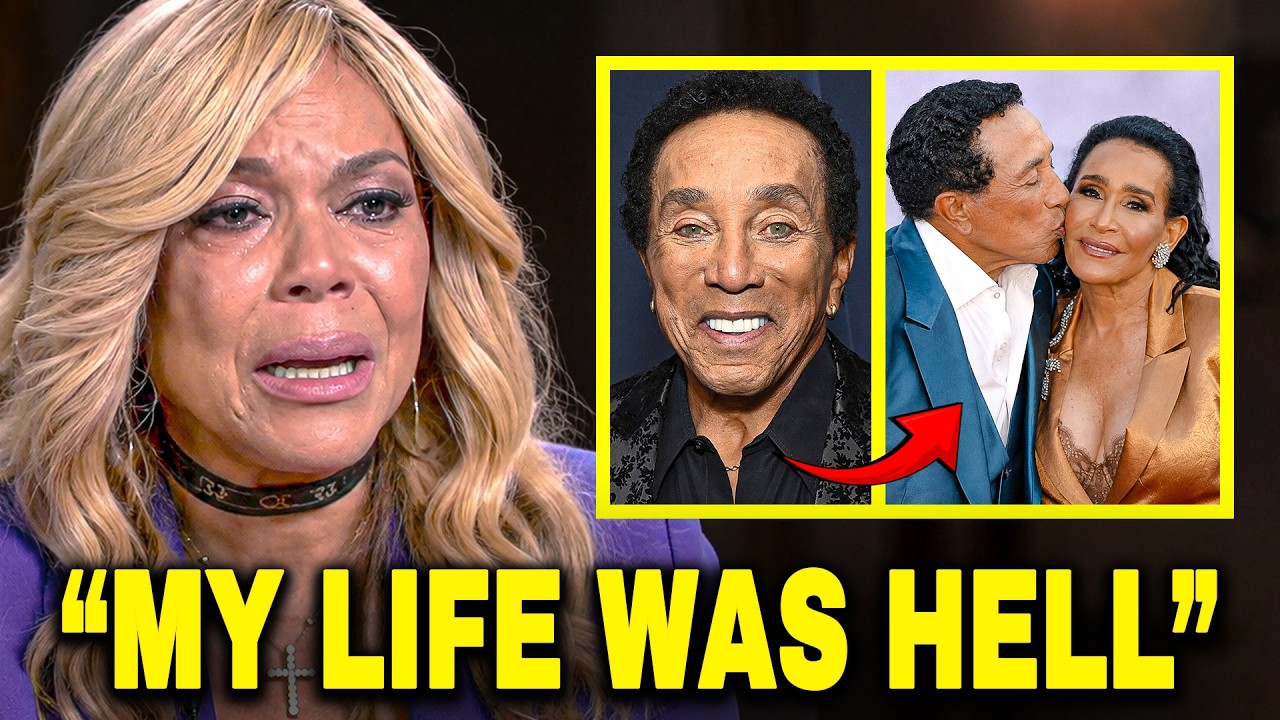
S. Army, Smokey asked Claudette to step into his vocal group, the Matadors. The group soon evolved into The Miracles, bringing together Smokey, Claudette, Pete Moore, Ronnie White, and Bobby Rogers. They became Berry Gordy’s first act on the Tamla label, placing them at the birth of what would become Motown.
Claudette and Smokey married on November 7, 1959, while both were members of the group. Their breakthrough came with “Shop Around” in 1960, Motown’s first million-selling record. Claudette earned the official title of First Lady of Motown as the first female artist signed to a Motown-affiliated label. The demands of touring took a brutal toll on Claudette.
She experienced repeated miscarriages, with biographical accounts commonly reporting eight, which she attributed to the strain of her career. In 1964, she stopped touring with The Miracles but continued singing on their studio recordings until 1972. She and Smokey welcomed son Berry William Borop Robinson in 1968 and daughter Tamla Claudette Robinson in 1971, names reflecting their Motown roots. While Claudette stayed home raising their children, Smokey’s career expanded into songwriting and executive duties, becoming a Motown vice president.
The distance between their worlds grew. In the early 1970s, the marriage began cracking. Smokey has publicly acknowledged extramarital affairs, including an approximately year-long relationship with Diana Ross, a fellow Motown star and someone Claudette knew. The couple separated in 1974, a period Robinson has linked to the emotional turmoil behind his song “The Agony and the Ecstasy.
” They reconciled, but stability proved elusive. Robinson later opened up about his struggles with illicit substance addiction in his autobiography, “Smokey: Inside My Life. ” He also maintained a long-running relationship with a woman known as Candy, who gave birth to his son Trey in 1984. That child became the breaking point.
Following Robinson’s admission, he filed for legal separation, and the marriage headed toward its end. The divorce, finalized in 1986, did not cleanly sever their ties. Three years later, a California court entered a stipulated judgment giving Claudette a 50% community property interest in rights and royalties connected to songs Smokey had written during their 27-year marriage. Decades later, that settlement became the center of a major legal clash.
In 2014, Smokey filed a federal lawsuit involving copyrights to songs from his catalog, seeking to use the termination provision of the Copyright Act to reclaim rights. Claudette countersued, alleging breach of fiduciary duty, constructive fraud, and misrepresentation, arguing the divorce agreement established her rights. The case became a collision between federal copyright law and state community property rights—a battle over the music itself. The dispute ended quietly in late 2014 when the parties reached a confidential settlement, avoidinga public trial.
Claudette’s legacy, however, endured beyondthe courtroom. She remained recognized as an original member of The Miracles and as a foundational figure in Motown history. The Motown Museum has highlighted her life through the exhibition “Claudette Robinson: A Motown Herstory,” and in 2012, she and the other original Miracles were inducted into the Rock and Roll Hall of Fame. She has also preserved that history through appearances, archival work, and her children’s book, “Claudette’s Miraculous Motown Adventure.
” Her story is not simply that of a superstar’s wife. It is the story of a woman who was there from the beginning—who helped build the group, who earned the title of Motown’s First Lady, and who made profound personal sacrifices behind the scenes. Even after everything, she did not vanish from the story.
She remained, she protected the Miracles’ legacy, and decades after the divorce, the music they created together was still powerful enough to bring them back into conflict.