Katharine Hepburn spent decades building one of Hollywood’s most guarded public images, projecting a confidence that made her seem untouchable. Behind that carefully maintained facade, however, a series of private relationships with women unraveled into resentment, accusations of denial, and anger she reportedly carried for years. These were not brief flings. According to accounts collected by writers who studied her life, they were significant connections that ended in silence and lingering bitterness.
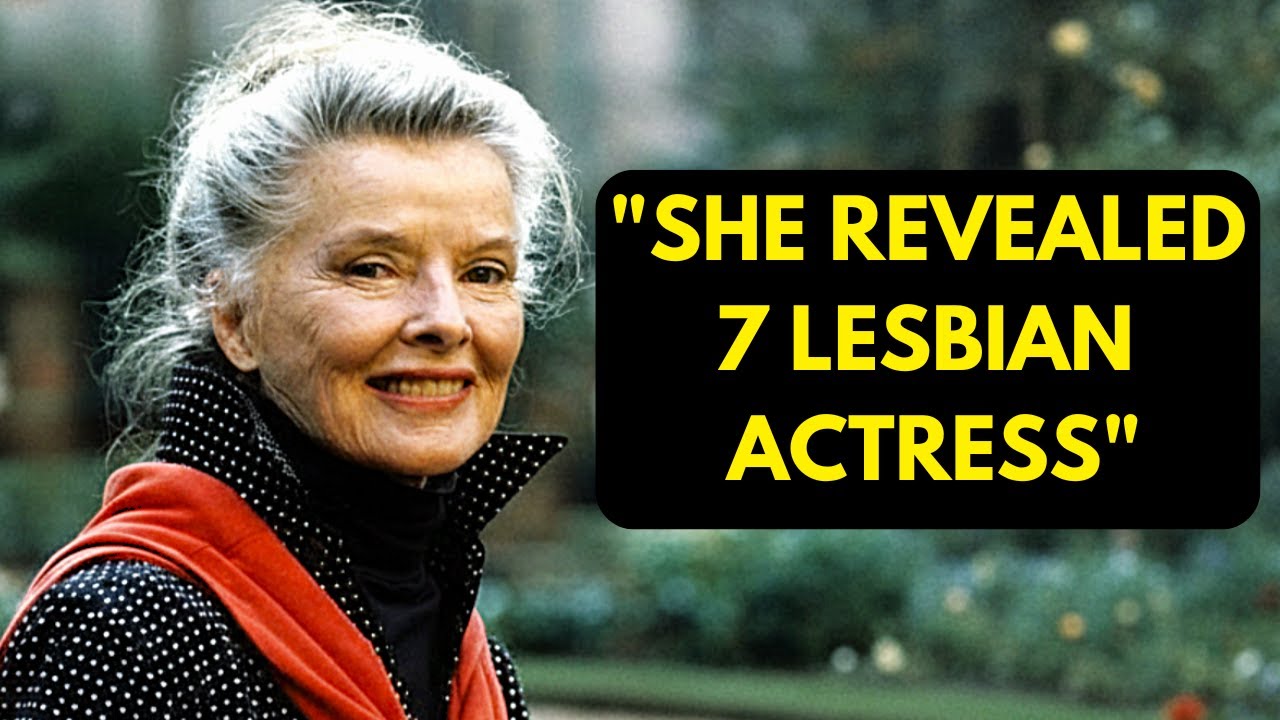
One of the most notable involved Greta Garbo. The two met in the late 1930s and reportedly began a discreet relationship, meeting in private Manhattan apartments and planning weekends so they would not be seen arriving or leaving together. According to writer William J. Mann, they deliberately avoided major parties, cameras, and studio functions.
The relationship collapsed when Garbo publicly dismissed the idea that anything had happened between them. At a small New York party where close friends already knew of the connection, Garbo looked at Hepburn briefly, then turned away and spoke about how she had always lived alone. Hepburn was deeply upset that night, telling a close friend that Garbo had used her and then acted as if she had invented the entire relationship. Garbo never called to explain.
Years later, Hepburn expressed her anger without naming Garbo directly, saying she hated people who hide what really happened to make themselves look better. The two lived in the same city for decades afterward and moved in overlapping social circles, but Hepburn reportedly refused to remain in a room alone with Garbo again. Mentions of Garbo’s name were said to make her face tighten. Another fraught relationship involved Joan Crawford, whose dislike for Hepburn was no secret.
Gossip columnist Hedda Hopper wrote that their mutual hostility intensified after the two grew close, noting a fundamental clash between Crawford’s theatrical approach to life and Hepburn’s insistence on privacy. The first public break came at a studio party attended by MGM executives. Crawford arrived late, seated herself beside Hepburn, and during conversation grabbed her arm and declared loudly that Kate did not need love but someone to watch her. Hepburn quietly removed Crawford’s hand and replied that she did not confuse caring with being supervised.
That exchange reportedly changed their dynamic permanently. Crawford then began appearing near Hepburn at public events and movie openings, while Hepburn responded by arriving late, leaving early, or turning her back. At one New York gathering, Crawford told her she could not simply act as if she were not there; Hepburn stood up, collected her coat, and left mid-conversation. In private, she was blunter, telling a longtime friend that Crawford did not want closeness but control, and she would never allow that.
They never reconciled. As late as 1983, Hepburn cut off questions about the feud, saying she did not discuss old fights that had ended long ago. A third relationship carried different risks. By 1938, Hepburn and Tallulah Bankhead were spending time together in ways that went well beyond ordinary Hollywood friendship, meeting for late dinners in Bankhead’s New York hotel rooms after plays and staying away from public venues.
According to Mann, they avoided staff and surrounded themselves only with trusted people. The tension between them was fundamental: Bankhead treated secrecy as amusement, while Hepburn treated it as protection. The break came at a private party hosted by playwright George S. Kaufman.
Bankhead, heavily drinking and entertaining the room, smiled at Hepburn and said some people keep their fun hidden while she liked hers to be remembered. Hepburn confronted Bankhead privately that night, saying the behavior was not brave but careless. Bankhead laughed it off, telling her not to worry because people already guessed. The next day, Hepburn cut off all contact.
When Bankhead sent a playful note weeks later, Hepburn returned it unopened. She never forgave the risk Bankhead had been willing to take, seeing the public exposure of their private lives as an existential threat to her career. Barbara Stanwyck presented a different kind of wound. By the early 1940s, she and Hepburn had developed a carefully hidden connection, planning late dinners after Chasen’s closed, taking long drives without drivers, and scheduling weekends so they would not arrive or leave together.
For Hepburn, secrecy was a form of trust. The relationship ended when Stanwyck gradually stopped answering calls and let plans quietly lapse, without explanation. At a small work party at producer Hal Wallis’s home, Hepburn confronted her, asking whether they were going to pretend the relationship never existed. Stanwyck replied calmly that some things are better without names.
Hepburn did not interpret that as discretion. She told a close friend that she did not hate people for being weak, but she hated when they acted as though their closeness had been invented. She became polite but distant at events, never alone with Stanwyck, never speaking closely. Years later, she observed that being clear is kind, while quiet silence after closeness is mean.
The friendship never revived. A later relationship with Judy Holliday ended in a different kind of rupture. In the late 1940s, Holliday was rising quickly but struggling with professional pressure and fear of bad publicity, and she turned to Hepburn for support. What began as mentorship became private closeness.
The relationship broke when Holliday, facing mounting work pressure, pulled away quietly to protect herself. At a Columbia Pictures event, Hepburn asked directly whether Holliday was withdrawing or simply scared. Holliday admitted she could not handle the situation at that time. Hepburn did not argue or attempt to repair things.
She reportedly went very still and told Holliday that being scared explains choices but does not justify pretending the truth is not real. Within days, she ended all contact. When Holliday sent an apology note weeks later, it came back unopened. They never reconciled, and Holliday died young.
Hepburn never spoke her name publicly again. The common thread across these relationships, as described by those close to her, was not broken hearts but denial. Hepburn could accept endings, but she could not accept being erased. The women who walked away and then acted as though they had never been close, or who treated the risk of exposure as a game, became targets of a resentment she held for the rest of her life.
Her long devotion to Spencer Tracy remained public and well-documented, but these private relationships formed a parallel history of emotional injury that she kept carefully hidden. Exactly which of these relationships hurt her most was never publicly confirmed. What is clear from the accounts of friends and industry observers is that Hepburn made final decisions quickly and never revisited them. When trust was broken, the door closed permanently.
The anger she carried was not about love ending badly. It was about the refusal of others to acknowledge what had happened, a slight she considered unforgivable.