Prince Andrew’s legal troubles continued to dominate headlines in 2025, casting a long shadow over the British royal family’s image. In October 2025, the Duke of York issued an official statement through Buckingham Palace announcing a major change in his status, saying, “I have decided, as I always have, to put my duty to my family and country first. ”
Andrew remained embroiled in a high-profile lawsuit that resurfaced past allegations tying him to controversial figures and alleged misconduct. Though the initial claims dated back years, the case’s persistence kept public focus sharply on him, forcing the monarchy to confront uncomfortable questions about accountability and transparency.
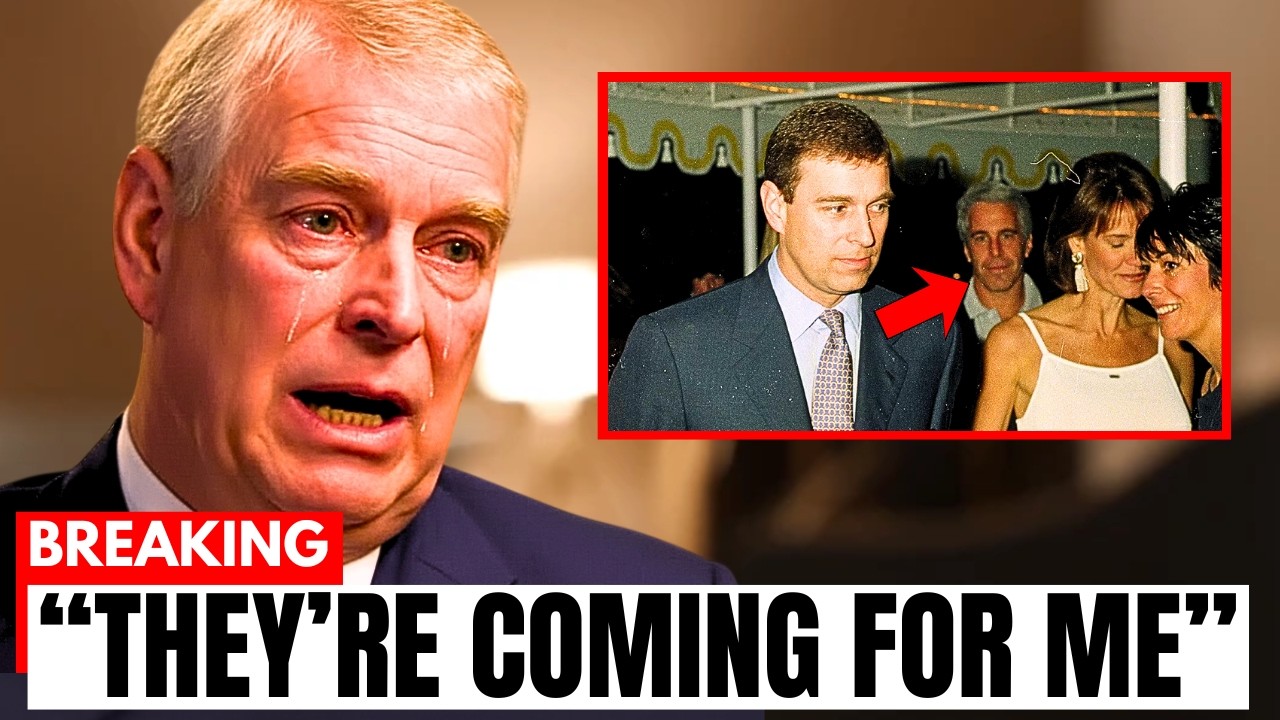
His refusal to fully cooperate with the legal process only intensified scrutiny, leaving the institution vulnerable to criticism. At one point he remarked, “There is no good time to talk about Mr. Epstein and all things associated. ”
The fallout from these legal battles extended beyond courtrooms and tabloids.
It struck at the heart of the royal reputation, with supporters and critics alike debating how far the monarchy should shield its members, especially when serious allegations were involved. A growing divide emerged between the public’s desire for justice and the royal tradition’s protective veil. The family also faced diplomatic pressures as the scandal complicated international relationships, illustrating how personal controversies could ripple into wider political spheres. What made this reckoning so impactful was not only the nature of the allegations, but the timing, coming amid a year already heavy with internal and external challenges.
Prince Andrew’s situation became a symbol of royal vulnerability, setting the stage for deeper controversies that tested the family’s unity and public standing. The term “Megxit,” a blend of Meghan Markle’s name and exile, remained a defining narrative in 2025, symbolizing the ongoing rupture within the royal family. Prince Harry and Meghan Markle’s decision to step back from royal duties in previous years had already sent shockwaves, but the events of this year turned ripple effects into waves. Their continued outspoken criticism of the institution, coupled with new interviews and media projects, reignited debates over royal traditions, treatment of family members, and the role of modern media.
Throughout 2025, the couple’s actions sparked a complex mix of sympathy and backlash among different audiences. Supporters praised their pursuit of independence and mental health advocacy, while detractors accused them of disrespecting long-held royal protocols and exploiting their status for personal gain. Meanwhile, the palace remained largely silent publicly, fueling speculation that internal negotiations were ongoing but fraught with tension. This fallout forced the royal family to grapple with more than just external critiques.
It revealed deeper cultural and generational divides. Younger members aligned with Harry and Meghan’s call for change, while more traditional figures defended the monarchy’s status quo. Behind the carefully curated public image, 2025 saw unprecedented leaks and revelations exposing rifts within the royal family. Private messages, confidential communications, and insider accounts painted a picture of tension and distrust among key members.
Disputes over decisions, perceived slights, and differing visions for the monarchy’s future spilled into the public arena, eroding the facade of unity that once prevailed. One royal noted, “I had to show leadership, and I had to go and see. ”
The British press and international media seized on every detail, amplifying the sense of internal strife. These exposed divisions weren’t limited to distant disagreements, but involved personal grievances that resonated widely.
Some reports suggested long-standing resentments between senior royals and younger generations, while others focused on disagreements around financial transparency and public duties. The leaks made clear that the monarchy’s challenges went beyond isolated scandals. It was an institution wrestling with its own identity amid a rapidly changing society. As the year faded, many hoped for resolution, but the fractures revealed had already reshaped perceptions of the royal family in lasting ways.
The turmoil fed directly into broader conversations about media influence and public trust, further complicating the monarchy’s place in contemporary society. The royal family’s scandals in 2025 unfolded under an unrelenting media spotlight, amplifying tensions and shaping public opinion in powerful ways. News outlets across the globe dissected every revelation, often blurring the line between investigative journalism and sensationalism. This heightened scrutiny fueled a fierce backlash, with critics questioning the monarchy’s relevance and integrity.
While supporters scrambled to defend a rapidly tarnishing legacy, social media became a battleground where opinions spread fast and emotions ran high, making it almost impossible for the royal family to control the narrative. Public trust, once a given for the monarchy, showed clear signs of erosion as the year progressed. Polls indicated growing skepticism about the institution’s future, particularly among younger generations who appeared less tolerant of secrecy and perceived privilege. Calls for transparency and reform echoed not just in the media, but among politicians and cultural commentators, placing the royal family under immense pressure.
In December 2025, London police commented on their review of additional claims connected to the Epstein network, stating, “To date, we have not received any additional evidence that would support reopening the investigation. ”
The palace’s traditionally cautious responses now felt inadequate, sometimes even fueling further speculation instead of calming public fears. Despite efforts to maintain dignity and unity, the monarchy struggled to balance confidentiality with a public demanding accountability. Damage control attempts, official statements, carefully staged appearances, and selective interviews often backfired, revealing cracks in communication strategy.
At times, royals offered denials such as, “I have no recollection of ever meeting this lady” and “Absolutely no memory of that photograph ever being taken. ”
Meanwhile, tabloids and online commentators capitalized on every misstep, using the scandals to question royal conduct and widen divides between the family and the public. This relentless spotlight made 2025 a defining year for media influence over the monarchy’s image. As the media storm intensified, the spotlight naturally shifted to the younger generation of royals whose actions and attitudes would carry the monarchy’s legacy forward amid uncertainty and change.
Royals in their 20s and 30s, balancing tradition and modernity, attracted attention for both their public engagements and off-stage behavior. Their willingness to speak openly on issues like mental health and social justice sparked admiration from some quarters, but also invited scrutiny from traditionalists wary of change. One younger royal noted, “Public displays of affection are not something that I do. ”
This generational push and pull highlighted the monarchy’s ongoing struggle to stay relevant in a world that demands authenticity and adaptability.
These younger royals faced a unique challenge: upholding centuries-old protocols while navigating a society increasingly critical of inherited privilege. Instances of candid interviews, social media activity, and philanthropic efforts balanced against occasional controversies around personal choices underscored the fragile image they must manage. Their public personas became symbols of a monarchy in transition, with expectations that they would both modernize and respect the institution’s heritage. Yet this balancing act proved difficult as pressures mounted from all sides.
As these younger voices rose, the royal family confronted the pressing question of what the future would hold, not just for them, but for the centuries-old institution itself. The scandals of 2025 have left the British monarchy at a crucial crossroads, forcing the institution to confront difficult questions about its role in a rapidly changing world. Public confidence has been tested like never before, with many questioning whether the crown can maintain its relevance amid calls for reform and transparency. The royal family faces the challenge of balancing tradition with modernization.
As the weight of historical legacy meets today’s demands for openness and accountability, how the monarchy adapts to these pressures will largely shape its survival and public standing in years to come. One clear outcome of this tumultuous year is the urgency for the monarchy to redefine its relationship with the public. Experts and insiders suggest that evolving beyond ceremonial duties to embrace social advocacy and clearer communication will be essential. Looking ahead, the monarchy’s future will likely hinge on its ability to heal fractured public trust and present a coherent vision that resonates with diverse generations.
While 2025 exposed deep vulnerabilities, it also sparked conversations that might drive long overdue changes. Whether these efforts will be enough to preserve the crown’s dignity and influence remains uncertain. But one thing is clear: the royal family’s path forward will require resilience, transparency, and a willingness to evolve in a world that demands nothing less.