John Wayne built one of Hollywood’s most enduring fortunes, but the full scale of his financial empire only became public after his death. The man known to millions as the Duke was not just a movie star; he was a careful investor who turned his fame into a long-term business. By the end of his career, Wayne had quietly accumulated real estate in Arizona and Washington, along with multiple homes and business interests. These were long-term holdings, not flashy purchases, and they were designed to protect his wealth well beyond his years in front of the camera.
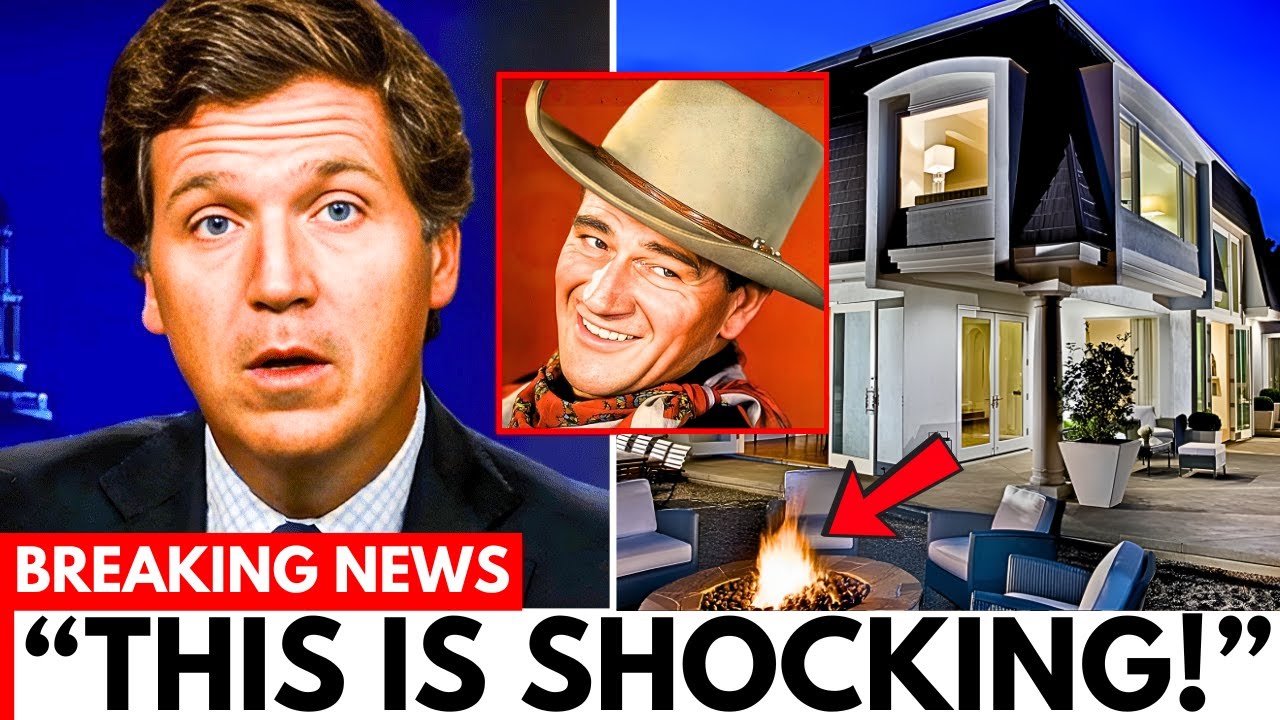
That discipline came after costly failures. In the 1950s, Wayne trusted a business manager named Bo Roose, who led him into a disastrous investment scheme in Panama. The loss exceeded $1. 7 million, a staggering sum at the time.
A later decision to let his son-in-law, Donald Lava, handle financial matters also ended badly, with unpaid bills leaving Wayne close to broke. Wayne fired those he blamed and took direct control of his finances. He reviewed every contract, approved each deal, and avoided risky ventures. He focused on high-paying film roles, launched licensing agreements, and built the foundation for a fortune that would outlast him.
When Wayne died in 1979, his estate was valued at around $7 million, roughly equivalent to more than $25 million today. The will itself drew as much attention as the number. All seven of his children received financial support and personal items tied to their memories of their father. His first wife, Josephine, was granted a lifelong trust fund despite their long-ago divorce, a gesture widely seen as a mark of lasting respect.
The exclusions, however, were striking. Wayne’s third wife, Pilar, received nothing. The two had been living separately for years, and legal documents showed their financial separation had already been settled, but the complete omission from the will publicly underscored how distant they had become. Even more pointed was the clause concerning Donald Lava.
Not only was Lava left out of the will, but Wayne explicitly barred him from ever accessing his daughter’s inheritance. Even if she passed away, her money would go to her children or a trustee of her choice, never Lava. The decision left many wondering what had destroyed the Duke’s trust so completely. Wayne’s name, however, did not fade with him.
His family turned his legacy into a modern business called John Wayne Enterprises, which manages licensing, merchandising, and partnerships across multiple industries. The brand extends from streaming royalties and physical products to Wayne Family Estates, a wine label, along with grilling tools, western apparel, home goods, and collectibles. The family has maintained strict control over what carries the Duke’s name. Every product and campaign is filtered through a simple question: would John approve of this?
If not, it does not move forward. That approach has kept the brand timeless rather than trendy, while many other celebrity estates have faded or cheapened their reputations. The mission behind the business is deeply personal. In 1956, Wayne filmed The Conqueror in the Utah desert, a location downwind from nuclear test sites.
Of the 220 cast and crew members, 91 later developed cancer, and nearly half of them died from it. Wayne himself was among them. He fought lung cancer in the 1960s, undergoing surgery that removed a lung and several ribs, then returned to work with little public discussion. Years later, he was diagnosed with stomach cancer.
Throughout both battles, he never made his illness headline news and never cast himself as a victim. Before his death, Wayne made one final request to his family: use his name to fight cancer. That wish led to the John Wayne Cancer Foundation, an organization focused on early detection, research funding, and public awareness. Its work extends beyond entertainment into hospitals, classrooms, and communities.
More than four decades after his death, Wayne’s brand continues to generate significant income. His classic films, including True Grit, Stagecoach, and The Searchers, remain in global circulation, with royalties flowing into the estate. Licensing deals cover cowboy hats, mugs, posters, t-shirts, and home decor, all carrying the rugged, no-nonsense image fans still want. The estate also holds valuable real estate and other investments that have appreciated over time.
Combined with the winery venture and smart financial management, the Wayne portfolio continues to grow. What began as an inheritance has become an evolving engine of wealth. Wayne’s lasting influence, however, may not be measured in money alone. The foundation funded by his film residuals and licensing agreements carries his values into the fight against cancer.
His greatest gift, as his family sees it, may not have been what he left in his will, but what he inspired after death.