Scientists have identified a biological process that could explain why modern humans are among the most well-fed people in history, yet also among the most chronically ill. The answer, according to a growing body of research, may lie in what happens when we stop eating. In 2016, Japanese scientist Yoshinori Ohsumi won the Nobel Prize in Physiology or Medicine for his research on autophagy, a Greek term meaning “self-eating. ” The process involves cells identifying and breaking down damaged proteins, dysfunctional organelles, and other cellular waste, then recycling those components into energy and fresh building blocks.
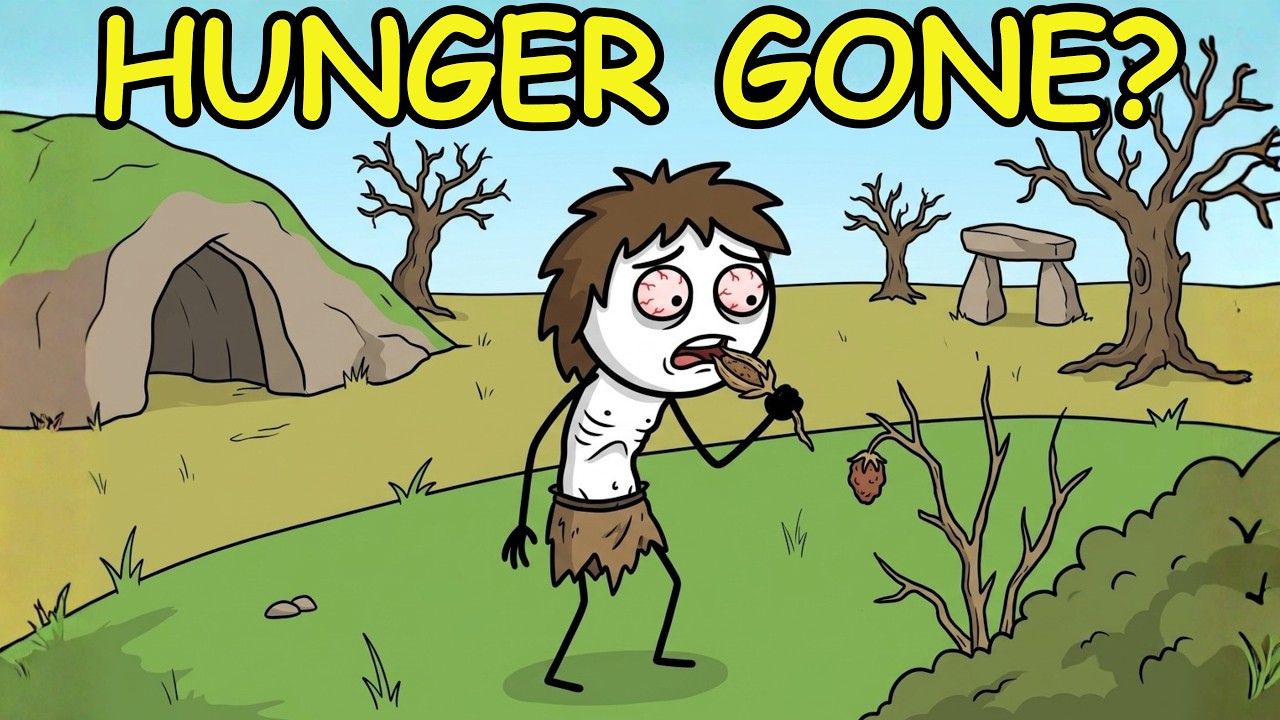
Ohsumi’s work showed that this internal cleanup mechanism only activates when cells sense that no new nutrients are arriving. If food keeps coming in, the cell remains in growth mode and never initiates the repair process. This biological repair system is regulated in part by a protein complex called mTOR, which promotes cell growth and multiplication when nutrients are present. When mTOR is continuously activated through frequent eating, the body never shifts into its repair phase.
Researchers have linked persistent growth signaling to conditions such as cancer and the accumulation of protein plaques associated with Alzheimer’s disease. Valter Longo, a biogerontologist at the University of Southern California, has published research in journals including Cell Metabolism demonstrating that prolonged fasting can trigger the body to eliminate old, inefficient immune cells and replace them with new ones generated from stem cells. His findings suggest that periodic fasting may effectively reboot parts of the immune system. Studies on caloric restriction have produced striking results in animal models.
Researchers at the University of Wisconsin-Madison and the National Institute on Aging tracked two groups of rhesus monkeys for more than 30 years. One group ate freely, while the other had calories reduced by 30 percent. Results published in Nature Communications showed the calorie-restricted monkeys not only lived longer but appeared biologically younger, maintaining healthier coats, more energy, and significantly lower rates of age-related diseases such as diabetes and cancer. Research into hunter-gatherer populations has provided further insight into metabolic flexibility.
Anthropologists including Frank Marlowe and Herman Pontzer have studied the Hadza people of Tanzania, one of the last true hunter-gatherer societies. The Hadza do not eat on a fixed schedule; they eat when food is found. Some days produce abundant food, while other days yield nothing despite long walks in harsh conditions. Pontzer’s book Burn detailed how the Hadza do not burn significantly more daily calories than sedentary office workers, yet they remain lean and largely free of obesity, type 2 diabetes, and cardiovascular disease well into old age.
Hunger also appears to affect cognitive function. When the stomach is empty, the body releases brain-derived neurotrophic factor, a protein that supports the growth of new neurons and strengthens existing connections. Mark Mattson, former chief of the Laboratory of Neurosciences at the National Institute on Aging, has published studies indicating that intermittent fasting may protect the brain against neurodegenerative diseases by forcing it to operate without a constant glucose supply. The Okinawan practice of hara hachibu, a Confucian teaching that encourages eating until only 80 percent full, has been cited as a cultural example of limiting the growth signal.
For decades, elderly Okinawans recorded some of the lowest rates of heart disease and stroke in the world, living active lives into their 90s and beyond without following complex dietary protocols. Researchers argue that the modern habit of eating three square meals a day plus snacks represents a historical anomaly. For most of human history, food availability fluctuated between feast and famine. The human body evolved in cycles of consumption and deprivation, and those gaps between meals are when cellular repair, protein recycling, and immune system maintenance occur.
By eliminating those gaps, modern eating patterns may have disrupted a fundamental biological rhythm. Chronic hunger was not a luxury for ancestors. When food was scarce, survival demanded that the brain remain sharp and the body remain capable. Famine triggered biological processes that strengthened the body by stripping away weak cellular components.
The same processes remain available to modern humans, but they require allowing periods of hunger to occur. The scientific evidence suggests that occasional periods of an empty stomach trigger beneficial biological maintenance. Hunger, rather than being a problem to be solved with the next snack, may be a signal that repair mechanisms are ready to begin work. Cutting that signal off with constant food intake may prevent the body from performing necessary cleanup, contributing to the accumulation of cellular damage associated with aging.
As rates of chronic illness continue to rise in developed nations, some researchers are revisiting ancient survival mechanisms as potential solutions. The biological pathways that kept hunter-gatherers healthy through cycles of scarcity are the same pathways available to modern humans. The difference is not biological but environmental: the modern world allows constant access to food, making hunger a choice rather than a necessity. The choice to experience hunger, even briefly, may activate the same cellular repair systems that served humans for thousands of generations.
It does not require specific diets or supplements. It requires allowing time between meals and accepting the sensation of an empty stomach as a normal, functional state. The most powerful health intervention available may be the simple act of not eating.
The repair crew inside human cells remains capable of doing its work; it simply waits for the opportunity.


