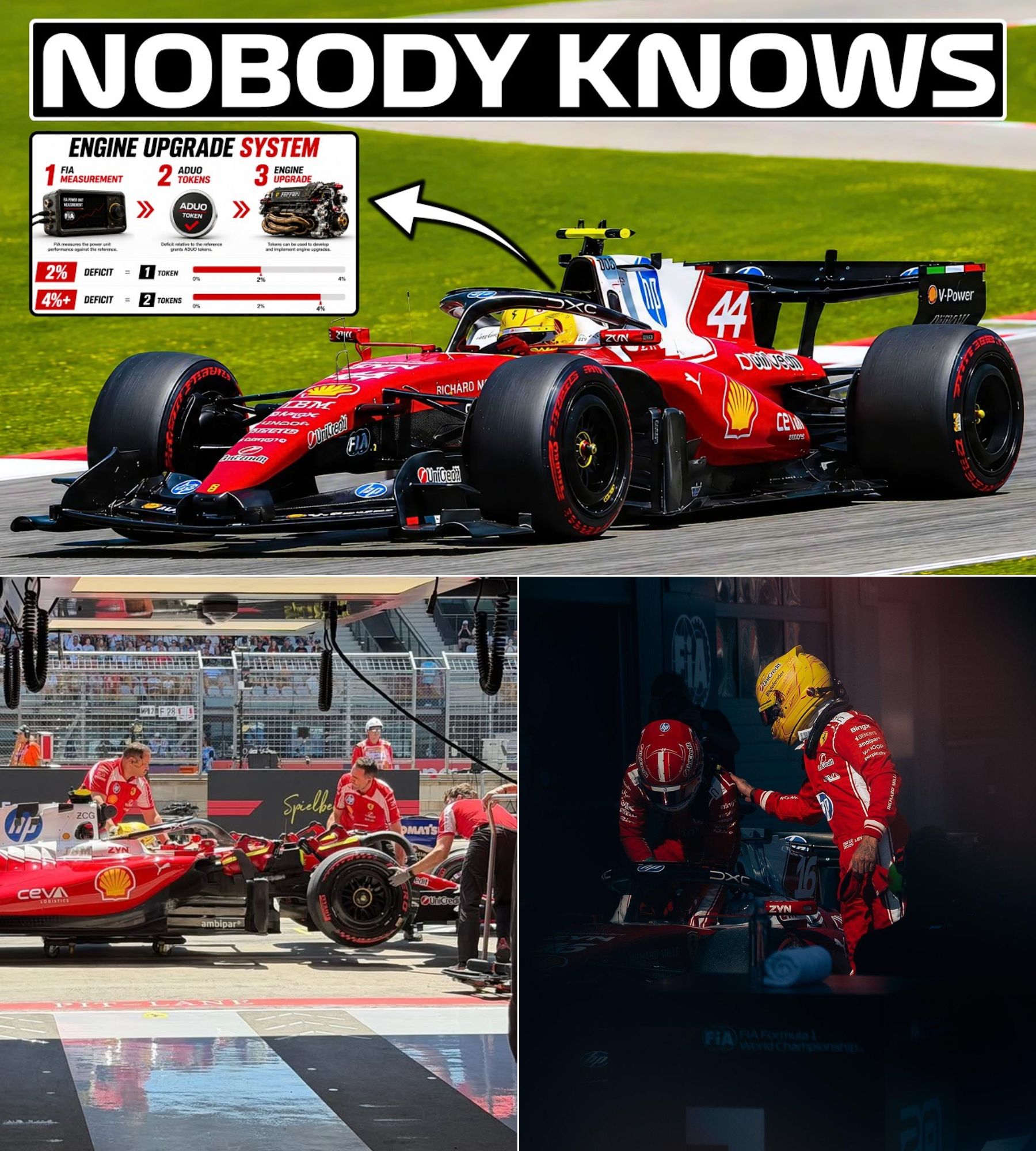
Ferrari’s weekend at the Austrian Grand Prix is shaping up to be much more than just an engine upgrade. While the buzz has centered around the power unit and its technical tweaks, the Scuderia is conducting a trio of crucial tests that could redefine their season and performance on the track.
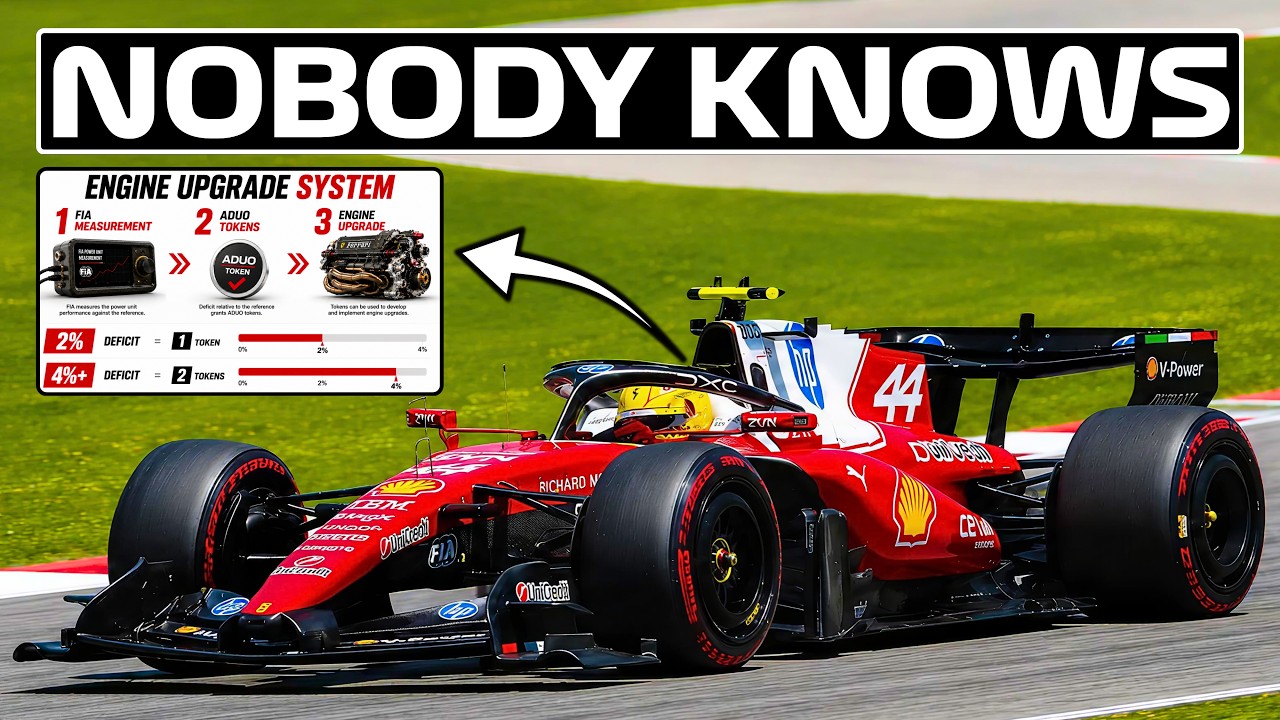
The spotlight may be on the engine, but Ferrari’s real story delves deeper. Their recent aerodynamic package, first unveiled in Barcelona, is also under scrutiny. This upgrade reportedly shaved off 7 to 8 tenths of a second compared to their initial car specifications, outpacing the developments from rivals like McLaren and Mercedes. However, the challenge lies in transferring that success from the high-downforce, tire-sensitive circuit of Barcelona to the power-hungry layout of the Red Bull Ring in Austria.
Adding another layer to the weekend’s narrative is rookie driver Dino Beganovich, who is stepping in for Charles Leclerc during FP1. This move is not just a regulatory requirement; it’s a strategic play to gather critical data that connects back to the engine’s performance. The information gathered during Beganovich’s session will be pivotal in assessing how the new engine specification, designated IC1, performs under race conditions.

Ferrari’s engine upgrade, while labeled as “relatively minor” by power unit technical director Enrico Gualtieri, represents a significant first step. The changes include modifications to the combustion chamber and an increase in intercooler temperature limits, all aimed at validating the team’s direction before a more substantial upgrade post-summer break. This initial test is crucial for determining whether the engine can perform optimally at the elevated temperatures expected during the race.
As the weekend unfolds, the team faces a unique set of challenges. The Red Bull Ring’s layout contrasts sharply with Barcelona’s, demanding different aerodynamic and mechanical responses. If the upgrades from Barcelona translate into competitive performance in Austria, it will confirm that Ferrari’s advancements are not just circuit-specific but structural.

The stakes are high as the team prepares for FP2 and the qualifying sessions, where they will face off against formidable competitors like Mercedes and Red Bull. The speed trap figures from Friday morning will be closely monitored, providing the first concrete evidence of Ferrari’s progress—or lack thereof.

With three simultaneous tests occurring this weekend, Ferrari is navigating a complex operational landscape. The data collected from Beganovich’s rookie session will inform decisions on engine specifications and help the team optimize their strategy throughout the race weekend.
As fans eagerly await the results, one question lingers: will Ferrari’s ambitious plans yield the performance boost they desperately need, or will they leave them searching for answers once again?