Marilyn Monroe, born Norma Jeane Mortenson on June 1, 1926, in Los Angeles, remains one of the most enduring icons of American cinema. Rising from a childhood marked by instability, foster homes, and the emotional absence of her mother, Gladys Baker, Monroe’s early life shaped a profound sensitivity and a lifelong fear of rejection. Despite these challenges, she discovered solace in film and modeling, eventually transforming into Marilyn Monroe, the glamorous star whose smile and presence captivated millions worldwide.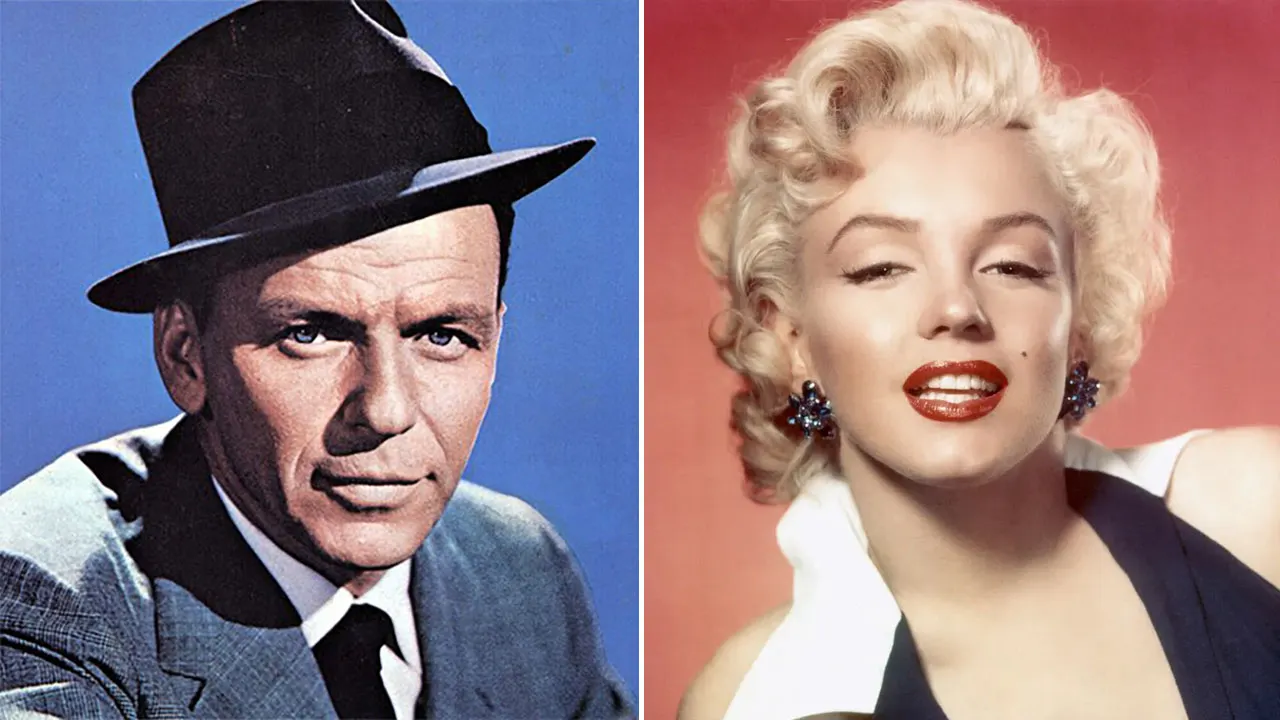
Her rise to fame was meteoric. By the 1950s, Monroe had become the definitive symbol of beauty, charm, and allure. Yet her personal life often contrasted sharply with the perfection audiences saw on screen. Multiple marriages, including her union with baseball legend Joe DiMaggio and later with playwright Arthur Miller, exposed the vulnerabilities behind her public persona. Monroe was often caught between adoration and expectation, navigating the pressures of stardom while struggling with private insecurities and a desperate need for connection.
Among the men who entered her life, few were as emotionally complex or as deeply invested in her well-being as singer Frank Sinatra. Known for his charisma, influence, and protective instincts, Sinatra reportedly formed a bond with Monroe that went beyond casual friendship or fleeting romance. Friends and contemporaries later noted that Sinatra saw the woman behind the star—someone fragile, intelligent, and in search of safety in a world that often commodified her image. While details of their relationship remain largely private, accounts suggest Sinatra made genuine efforts to shield Monroe from some of the darker pressures of Hollywood life, offering support during periods of intense personal and professional stress.
At the same time, Monroe became entangled in public speculation about relationships with high-profile figures, including President John F. Kennedy and his brother Robert F. Kennedy. These associations, whether accurate or exaggerated by the media, fueled rumors, scandal, and intense scrutiny. In the weeks leading up to her death on August 4, 1962, Monroe’s life was marked by tension, isolation, and the challenges of managing fame, personal struggles, and external pressures.
Sinatra, who remained close to Monroe in the final years of her life, was reportedly haunted by her passing. While the official cause of death was ruled as a probable suicide from an overdose, Sinatra confided to friends that he believed Monroe’s death was more complex than it appeared. He suggested that she had known sensitive information and had been exposed to forces beyond her control, though the exact truth remains unknown.
What emerges clearly from accounts of those who knew her is that Monroe was far more than the “blonde bombshell” or Hollywood fantasy. She was a deeply wounded and talented woman, navigating a world that celebrated her image while often neglecting her personal safety and emotional needs. Her legacy is one of beauty, brilliance, and a poignant reminder of the human cost behind the glamorous façade of stardom. Sinatra’s reflections, shared privately before his death, serve as a testament to the respect, concern, and emotional connection he felt toward Monroe, emphasizing that the woman he admired was as complex and real as any human being, not merely a public icon.
Even decades later, Monroe’s story continues to captivate, reminding audiences that her life, talent, and struggles are inseparable from the myth, and that her humanity—acknowledged by those who knew her best—adds depth to her enduring legacy.