For generations of viewers, Mayberry represented comfort, simplicity, and a version of small-town America where most problems could be solved with patience, humor, and common sense. At the center of that world stood Andy Griffith as Sheriff Andy Taylor, a calm widowed father raising his son Opie with the help of his devoted Aunt Bee.
The affection between Andy and Aunt Bee felt so natural that many fans assumed the actors shared the same closeness away from the set. In reality, Andy Griffith and Frances Bavier were very different people, and those differences reportedly created years of tension behind one of television’s most beloved comedies.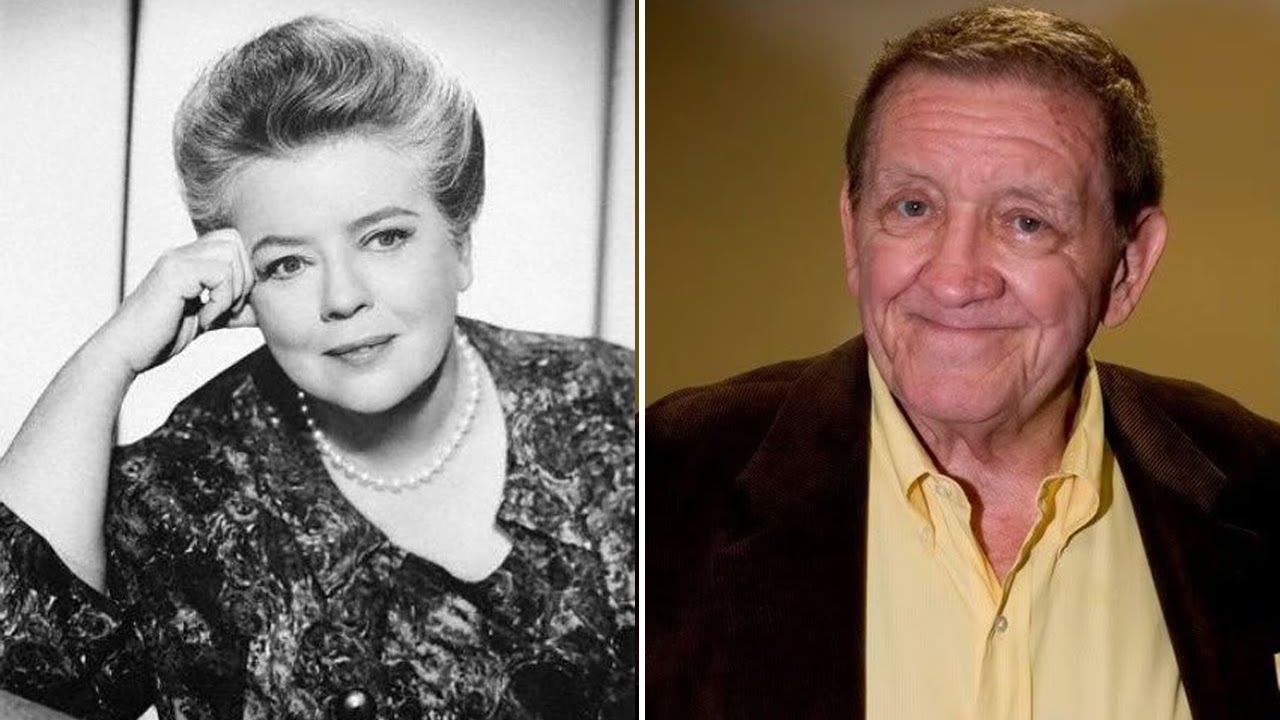
Griffith was born in Mount Airy, North Carolina, in 1926. Long before becoming a television icon, he developed a love for music, storytelling, and performance. His early career included teaching, stage work, and comedy, but his national breakthrough came with the 1953 monologue “What It Was, Was Football.”
The routine, delivered from the perspective of a confused rural man attending his first football game, became a major success and established Griffith’s familiar storytelling style. His humor was conversational, relaxed, and rooted in the rhythms of Southern life. Rather than forcing jokes, he often allowed pauses, facial expressions, and natural reactions to create the comedy.
That same approach later became central to The Andy Griffith Show.
When the series premiered in 1960, Griffith played Andy Taylor as a wise and gentle sheriff who rarely needed a weapon to maintain order. Surrounded by memorable characters such as Barney Fife, Opie, Gomer Pyle, Floyd the Barber, and Aunt Bee, Andy became the steady center of Mayberry’s eccentric world.
The series was celebrated for its warmth, but the set itself was not always as peaceful as the town viewers saw on screen.
Frances Bavier came from a very different performing tradition. Born in New York City in 1902, she had extensive stage experience and approached acting with discipline and seriousness. She reportedly preferred careful preparation, precise delivery, and a quiet working environment.
Griffith, by contrast, enjoyed a more spontaneous atmosphere. He and Don Knotts often joked between takes, experimented with timing, and allowed scenes to develop naturally. Their playful energy helped make the show feel authentic, but Bavier did not always appreciate the informal style.
To her, acting was not simply a casual exchange among friends. It was a craft requiring concentration, structure, and respect for the script. When cast members laughed, improvised, or changed the rhythm of a scene, she could reportedly become frustrated.
This difference in temperament gradually became personal.
Griffith viewed the set as a collaborative and social environment, while Bavier often kept to herself. She was known to retreat to her dressing room and avoid the constant joking that bonded many of the other cast members. Her distance was sometimes interpreted as coldness, and Griffith reportedly found her difficult to understand.
Bavier, meanwhile, may have felt isolated in a production where the strongest friendships already existed among the male actors. Griffith and Knotts shared a close bond, and their chemistry often shaped the atmosphere of the entire set. For someone as private and exacting as Bavier, that environment may have felt chaotic rather than welcoming.
Their conflicting styles became especially complicated because their characters were supposed to share genuine affection. Aunt Bee was the emotional center of the Taylor home, cooking meals, caring for Opie, and providing stability. Andy frequently teased her, but the relationship was built on trust and family loyalty.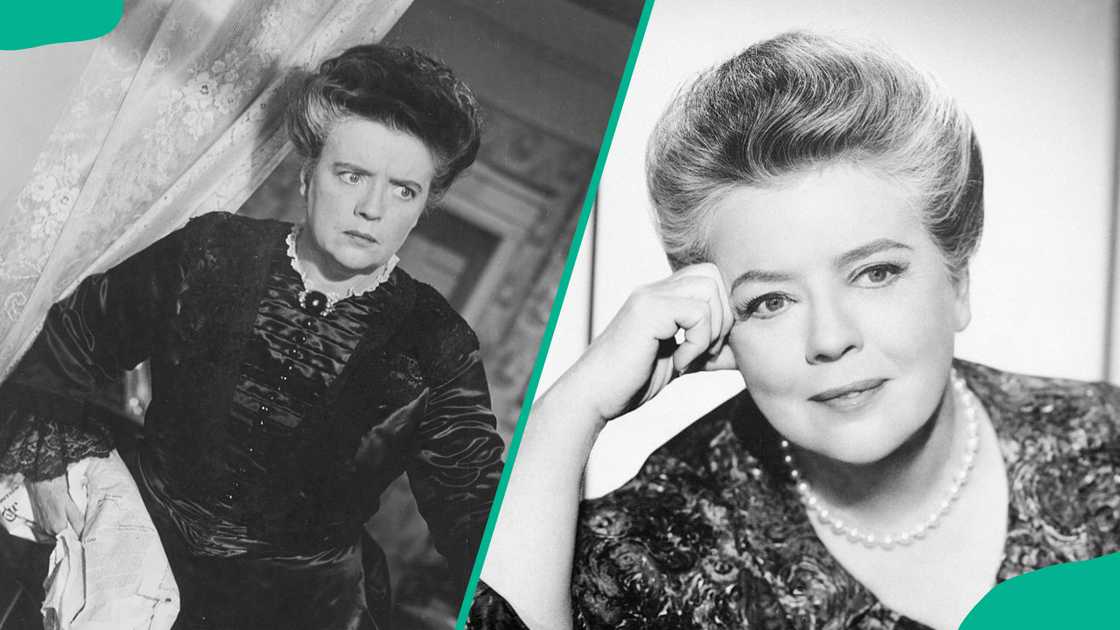
Behind the scenes, however, the warmth was often only part of the performance.
Stories from the production suggest that Griffith sometimes became irritated with Bavier’s perfectionism, while she disliked his relaxed attitude and practical jokes. Small disagreements accumulated over time, turning professional differences into lingering resentment.
The situation was likely intensified by the enormous success of the show. As ratings increased, the cast faced long hours, repeated rehearsals, and the pressure of maintaining a beloved television institution. Under those conditions, personality conflicts that might have been manageable on a smaller project became much harder to ignore.
By the later seasons, the relationship between Griffith and Bavier had reportedly deteriorated significantly. They remained professional when the cameras were rolling, but off camera, their communication became limited and uncomfortable.
When The Andy Griffith Show ended in 1968, there was no emotional reconciliation between them. Bavier continued playing Aunt Bee for a period on the spin-off Mayberry R.F.D., while Griffith moved on to other projects.
The contrast between their fictional relationship and their real one became one of classic television’s most enduring behind-the-scenes stories. Fans who had believed Andy and Aunt Bee were almost family in real life were surprised to learn how difficult their working relationship had become.
Yet the story did not end entirely in bitterness.
Later in life, Frances Bavier reportedly contacted Griffith and expressed regret about the way she had behaved during their years together. According to accounts repeated by people connected to the show, she apologized and acknowledged that she had sometimes been difficult to work with.
Griffith later indicated that he appreciated the gesture, although the two never experienced the kind of public reunion many fans might have hoped to see. By then, they had spent decades living separate lives, and too much time had passed to rebuild the closeness that had never truly existed.
Bavier eventually retired to Siler City, North Carolina, where she lived privately until her death in 1989. Despite the tensions behind the scenes, Aunt Bee remained one of television’s most beloved characters, and Bavier’s performance helped give The Andy Griffith Show much of its emotional warmth.
Griffith’s career continued for decades. Although several of his post-Mayberry projects struggled, he found major success again in the 1980s with Matlock. As attorney Ben Matlock, Griffith played another deceptively simple Southern character whose charm and intelligence allowed him to outmaneuver everyone around him.
The role introduced him to a new generation while reinforcing the qualities that had defined his career: quiet authority, humor, and an ability to make audiences trust him.
Away from acting, Griffith remained deeply connected to music, particularly gospel and traditional hymns. He recorded several albums and often spoke about the importance of faith and music in his life. Despite his fame, he generally avoided the more glamorous side of Hollywood and remained closely associated with the Southern culture that had shaped his earliest work.
Andy Griffith died on July 3, 2012, at the age of 86. His legacy remains inseparable from Mayberry, a fictional town that continues to represent kindness, community, and nostalgia for millions of viewers.
The truth about his relationship with Frances Bavier does not erase that legacy, but it does complicate it. Their conflict shows that even the warmest television families can be created by actors who struggle to understand one another once the cameras stop.
Griffith may not have truly hated Bavier in the simple sense suggested by dramatic headlines. Their relationship appears to have been shaped by incompatible personalities, wounded pride, professional frustration, and years of misunderstandings that neither fully resolved until it was almost too late.
Perhaps that is what makes the story so memorable. They did not need to be close friends to convince America that Andy and Aunt Bee loved each other. Whatever resentment existed between them, both actors were professional enough to hide it and create something audiences still cherish decades later.


