Patrick Reed, one of golf’s most polarizing figures, continues to ignite controversy on and off the course, with many PGA pros refusing to play alongside him. His reputation as a cheater and loner has deep roots, tracing back to his college days, where accusations of dishonesty and team conflict began to shape his legacy.

Reed’s tumultuous journey started at the University of Georgia, where he was dismissed for team rule violations involving a 𝒻𝒶𝓀𝑒 ID. However, whispers of 𝒸𝒽𝑒𝒶𝓉𝒾𝓃𝑔 during qualifiers and missing valuables painted a darker picture of his character. His transfer to Augusta State didn’t alleviate the tension; accusations of shaving strokes and a hostile locker room atmosphere persisted.
Despite leading Augusta State to two national titles, Reed’s popularity remained low. Teammates reportedly cheered against him, showcasing the deep-seated animosity that followed him into the professional realm. Once on the PGA Tour, Reed’s brash self-confidence further alienated him from peers. His claim of being a top-five player while ranked 44th was met with ridicule, marking a shift in how fellow golfers perceived him.
The infamous 𝒸𝒽𝑒𝒶𝓉𝒾𝓃𝑔 𝒔𝒄𝒂𝓃𝒅𝒂𝓁 at the 2019 Hero World Challenge solidified Reed’s villain status. 𝒄𝒂𝓊𝓰𝒉𝓉 on camera improving his lie in a bunker, Reed’s defense of a bad camera angle fell flat. Fellow players, like Cameron Smith, openly criticized his actions, leading to a hostile atmosphere during the President’s Cup, where Reed required security due to fan backlash.

Reed’s Ryder Cup experience showcased his complex persona. While he thrived in the 2016 event, earning the nickname “Captain America,” his subsequent public criticism of team dynamics after a loss in 2018 further alienated him from teammates. By 2021, he was excluded from the Ryder Cup entirely, highlighting his isolation within the sport.
The lack of camaraderie among players is evident, with PGA Tour professionals often avoiding Reed. His estrangement from family compounds this isolation, with public disputes leading to a complete severance of ties. Reed’s decision to file 𝒹𝑒𝒻𝒶𝓂𝒶𝓉𝒾𝓸𝓃 lawsuits against critics only intensified the perception of him as combative and unyielding.

Joining LIV Golf was a pivotal moment for Reed, embracing the role of the villain without hesitation. This move further alienated him from the PGA, as relationships deteriorated and doors closed. Reed’s refusal to seek approval or mend bridges has turned him into a figure of both disdain and intrigue.
Despite the controversies, Reed’s talent is undeniable. With nine PGA Tour victories and a Masters title, he has proven himself as a formidable competitor. Yet, the baggage of his past actions continues to overshadow his accomplishments, creating a dichotomy that defines his career.
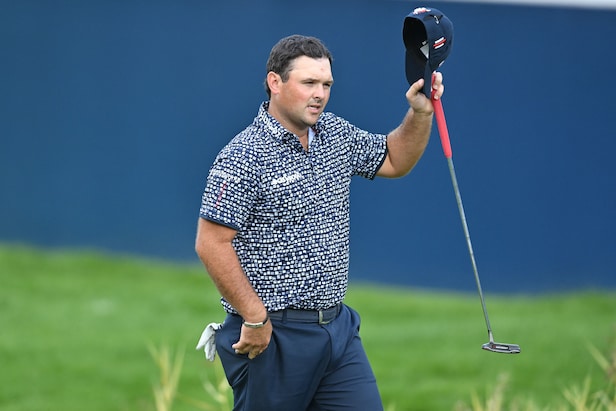
In a sport built on tradition and camaraderie, Reed’s journey serves as a stark contrast. His ability to provoke strong reactions—whether admiration or disdain—ensures his place in golf history. The ongoing debates about his character and legacy illustrate the complexities of a man who refuses to conform to the norms of the sport.
As Reed navigates his career, the tension between his undeniable skill and contentious reputation remains palpable. Love him or hate him, Patrick Reed is a figure that challenges the very fabric of golf, leaving an indelible mark on the sport that is impossible to ignore.
https://www.youtube.com/watch?v=yxOKV_VJFx4