For decades, Gregg Allman was known as one of Southern rock’s most unforgettable voices. His soulful singing, raw songwriting, and extraordinary career with The Allman Brothers Band made him a music legend. Yet behind the fame, Gregg carried a private sorrow that few people truly understood—a loss that quietly shaped the rest of his life.
Although fans often focused on his struggles with addiction, his high-profile marriages, and the band’s turbulent history, those closest to him believed there was one wound that never fully healed: the death of his older brother, Duane Allman.
Gregg Allman was born in Nashville, Tennessee, in 1947. His childhood was marked by tragedy almost from the beginning. When Gregg was just two years old, his father was killed during a robbery, leaving his mother to raise Gregg and his older brother alone.
As the family struggled to rebuild their lives, the brothers developed an unbreakable bond.
Music became their escape.
Together, Gregg and Duane immersed themselves in rhythm and blues, spending countless hours studying records and teaching themselves to play. While Duane emerged as one of the most gifted guitarists of his generation, Gregg developed the unmistakable voice and songwriting style that would later define Southern rock.
Their dream became reality in 1969 with the formation of The Allman Brothers Band.
The group quickly earned a reputation as one of America’s greatest live acts, blending blues, rock, jazz, country, and improvisation into a sound unlike anything audiences had heard before. Their landmark live album, At Fillmore East, established them as one of the defining bands of the era.
But just as success arrived, tragedy struck again.
In October 1971, Duane Allman was killed in a motorcycle accident at only 24 years old.
For Gregg, the loss was devastating.
More than a brother, Duane had been his closest friend, musical partner, and lifelong source of strength. Those who knew Gregg often described Duane’s death as the defining moment of his life—a heartbreak from which he never completely recovered.
Even as The Allman Brothers Band continued performing, something had fundamentally changed.
Gregg threw himself into music, but grief remained just beneath the surface.
Over the following decades, his life became increasingly complicated. He battled substance addiction, endured multiple failed marriages—including his widely publicized relationship with Cher—and faced growing tensions within the band. One of the most controversial chapters came after Gregg testified in a federal drug case involving the band’s road manager, a decision that strained friendships and created lasting divisions among some of his bandmates.
Despite those challenges, he never stopped making music.
Again and again, Gregg returned to the stage, finding comfort in performing songs that reminded him of the brother who had helped build everything alongside him.
In his later years, another difficult battle began.
In 2012, Gregg was diagnosed with serious liver cancer. Rather than making his illness the focus of public attention, he largely kept the details private while continuing to record and perform whenever his health allowed.
Even as his strength declined, his passion for music remained unchanged.
One of the most meaningful moments of his final years came while recording Southern Blood, the album that would become his farewell. The sessions took place at the legendary Fame Studios in Muscle Shoals, Alabama—the same place where he and Duane had recorded together during the earliest days of their careers.
For Gregg, returning there was deeply symbolic.
It wasn’t simply another recording session.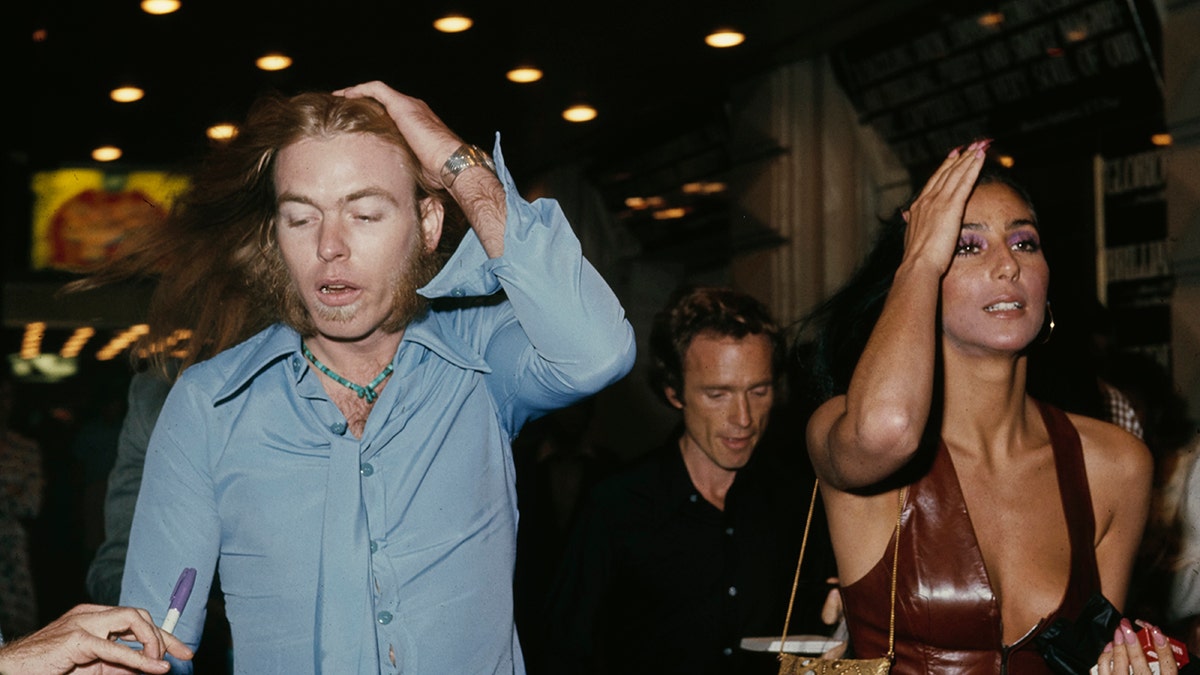
It was a return to where the brothers’ extraordinary journey had truly begun.
Released after his death, Southern Blood was widely praised for its emotional honesty and reflective spirit. Listening to the album, many fans heard not only an artist confronting mortality but also a man who had spent decades carrying memories that never faded.
Gregg Allman passed away on May 27, 2017, at the age of 69.
His death marked the end of one of rock music’s most remarkable careers, but it also reminded many people of the enduring bond between two brothers whose influence transformed American music.
Looking back, Gregg’s greatest burden may never have been fame, addiction, or illness.
It was learning to live in a world without Duane.
That grief became part of his songwriting, his voice, and the quiet emotion that listeners could hear every time he stepped behind a microphone. Rather than allowing the pain to destroy him completely, Gregg poured it into music that continues to resonate with audiences around the world.
His legacy is therefore about much more than chart success or legendary performances.
It is the story of a man who transformed unimaginable personal loss into timeless art—and whose love for his brother remained present in every chapter of his life.