For millions of fans in the early 1970s, David Cassidy was the ultimate teenage heartthrob. As Keith Partridge on The Partridge Family, he became one of the biggest pop culture sensations of his generation, selling millions of records and inspiring a level of fan devotion few entertainers had ever experienced.
Behind the dazzling smile, however, was a young man struggling with loneliness, overwhelming fame, and the pressure of living up to an image that never truly reflected who he was.
Looking back on his life, Cassidy admitted that many of his deepest regrets had little to do with career choices or financial losses.
Instead, they centered on the people he unintentionally hurt along the way.
One relationship, in particular, remained especially painful.
When The Partridge Family premiered in 1970, David Cassidy was only twenty years old. Within months, he had become an international phenomenon. Concert venues overflowed with screaming fans, magazines featured him on nearly every cover, and his face decorated countless bedroom walls around the world.
The success seemed like a dream.
To Cassidy, it often felt like a prison.
He later described how fame robbed him of ordinary experiences. Going out in public became nearly impossible, and every interaction seemed filtered through the expectations of fans who adored an image rather than the person behind it.
The hysteria reached a devastating turning point in 1974 when a teenage fan died during crowd crushes at one of his concerts in London.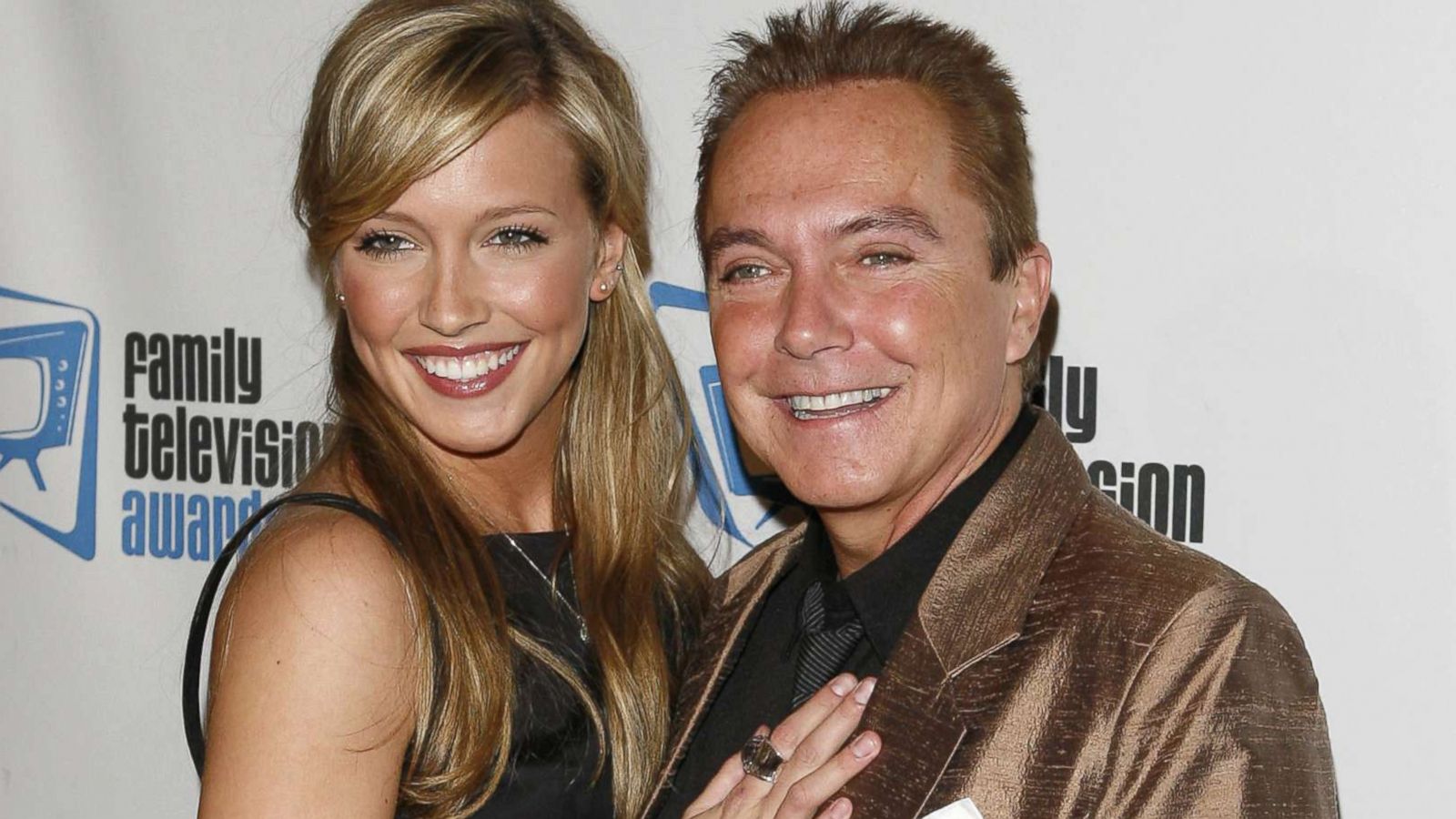
The tragedy haunted Cassidy for years.
He later said that after that moment, performing never felt quite the same.
Away from the stage, The Partridge Family became something of a second home.
Among the cast members, Cassidy developed especially close friendships, including one with Susan Dey, who played his on-screen sister, Laurie Partridge.
Unlike many people suddenly drawn to his celebrity, Dey treated him simply as David.
She listened when he felt overwhelmed.
She offered support when the pressures of fame became unbearable.
Over time, their friendship grew stronger, though not in exactly the same way for both of them.
Years later, Cassidy acknowledged that Susan Dey had developed romantic feelings for him during the series.
According to both Cassidy’s memoir and later interviews, he cared deeply for her as a friend but did not initially recognize the depth of her emotions. While audiences often imagined they were a perfect couple, Cassidy said he saw Dey more like the sister he never had.
After the series ended in 1974, circumstances changed.
Freed from the routines of filming, the two spent time together away from the set, and their relationship briefly became romantic. Cassidy later revealed in his autobiography that they shared a single intimate encounter.
It did not become the beginning of a lasting romance.
Instead, it marked the beginning of one of the greatest regrets of his life.
In 1994, Cassidy published his memoir C’mon, Get Happy: Fear and Loathing on the Partridge Family Bus, an unusually candid account of his career, family struggles, addiction, and personal relationships.
One chapter focused on Susan Dey.
Cassidy described their brief romantic encounter with a level of detail that Dey had never agreed to make public. He also wrote comments about his own feelings afterward that many readers interpreted as insensitive and unnecessarily personal.
For Susan Dey, the publication was deeply painful.
In later interviews, she described the disclosure as “a tremendous, terrible violation,” explaining that a private moment from her youth had been shared with the world without her consent.
She chose not to engage in a public feud.
Instead, she quietly distanced herself.
Over time, the friendship that had once meant so much to both of them disappeared.
Cassidy later expressed regret over what had happened.
He maintained that he had intended to write honestly about his life rather than deliberately hurt anyone, but he eventually realized how deeply his words had affected Dey. According to several accounts, he wrote her a personal letter apologizing and hoping to repair their friendship.
She never responded.
For Cassidy, the silence became another reminder that honesty without sensitivity can sometimes cost relationships that cannot be rebuilt.
While that chapter remained unresolved, other struggles continued to shape his life.
Determined to escape the image of Keith Partridge, Cassidy spent decades trying to establish himself as a serious musician and actor. Although he found success in theater, touring, and television, he often spoke about the frustration of being permanently associated with the teenage idol he had outgrown.
Financial difficulties added to the pressure.
Despite earning enormous sums during the height of his fame, unfavorable contracts and unsuccessful investments gradually eroded much of his fortune. By the 2010s, Cassidy faced bankruptcy and mounting debts, a dramatic contrast to the extraordinary success he had once enjoyed.
Alcohol became another devastating challenge.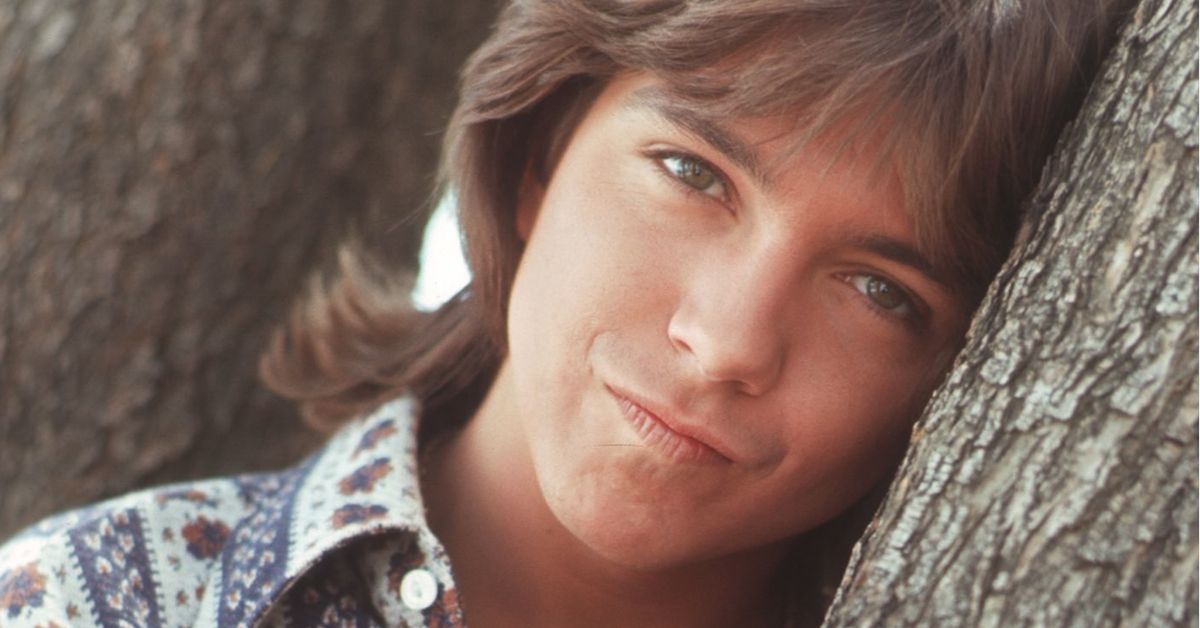
For years, Cassidy struggled with addiction, leading to multiple arrests for driving under the influence and repeated attempts at rehabilitation. Toward the end of his life, reports initially suggested he was suffering from dementia.
Later, Cassidy clarified that his primary illness was advanced liver disease caused by years of alcoholism.
His final public appearances revealed a man who had become increasingly reflective.
Rather than speaking about fame, he talked about family.
Rather than celebrating celebrity, he acknowledged mistakes.
Rather than blaming others, he accepted responsibility for many of the choices that had shaped his life.
Among those regrets, Susan Dey’s name surfaced more than once.
He described her as a kind and beautiful person and suggested that he wished events had unfolded differently. While their friendship was never restored, it remained clear that losing her trust was something he continued to carry.
David Cassidy passed away on November 21, 2017, at the age of 67.
His reported final words—”So much wasted time”—have often been interpreted as a reflection on the opportunities, relationships, and moments he wished he had handled differently.
Meanwhile, Susan Dey chose a very different path.
After achieving critical acclaim for L.A. Law, including a Golden Globe Award, she gradually stepped away from public life, valuing privacy over continued celebrity. She rarely gave interviews and declined many opportunities to revisit The Partridge Family, preferring to let her work speak for itself.
Looking back today, David Cassidy’s story is about far more than teenage stardom.
It is about the hidden cost of fame.
It is about the difficulty of separating public success from private happiness.
And perhaps most of all, it is about learning—sometimes far too late—that trust is far easier to lose than it is to regain.